Laguna NiguelSouth Orange County
24050 Aliso Creek Rd #150
Laguna Niguel, CA 92677
Sun–Fri: 6:00 AM – 10:00 PM
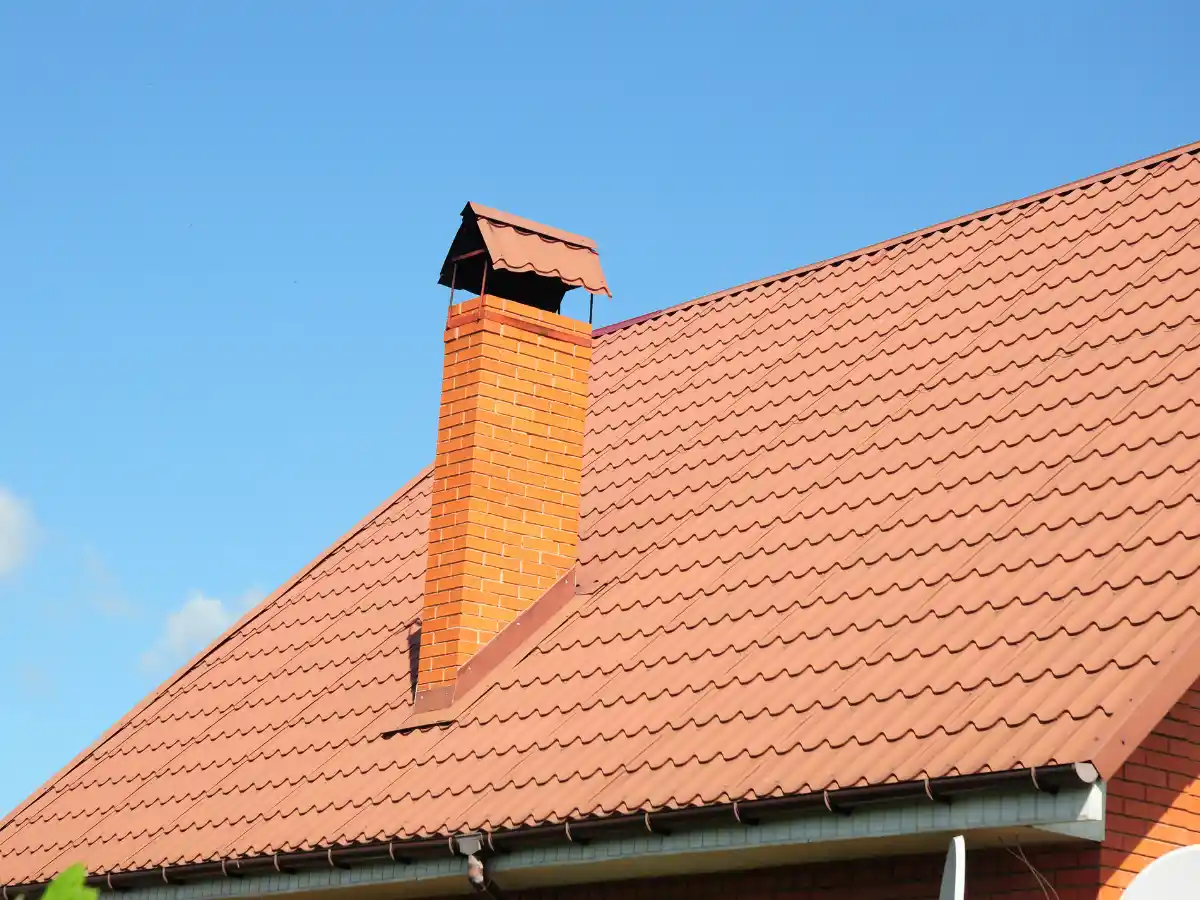
Huntington Beach went from about 11,500 residents in 1960 to nearly 116,000 by 1970, so a big share of its fireplaces date from that one decade. We sweep, inspect and repair them, and explain what sixty years near the ocean has done.
Customer reviews
Reviews for California Chimney Service are collected on Google.
Reviews are posted by customers on our Google listing, so you can read them where they were written.
See Google reviewsWhat we do
Requests here lean toward damper and cap replacement, flue inspections on 1960s tract homes, crown and mortar repair after the rain season, and vent checks for gas inserts that replaced old wood fireplaces.
 Most booked
Lit the fireplace a handful of times since the last cleaning? A sweep is the place to start.
Learn more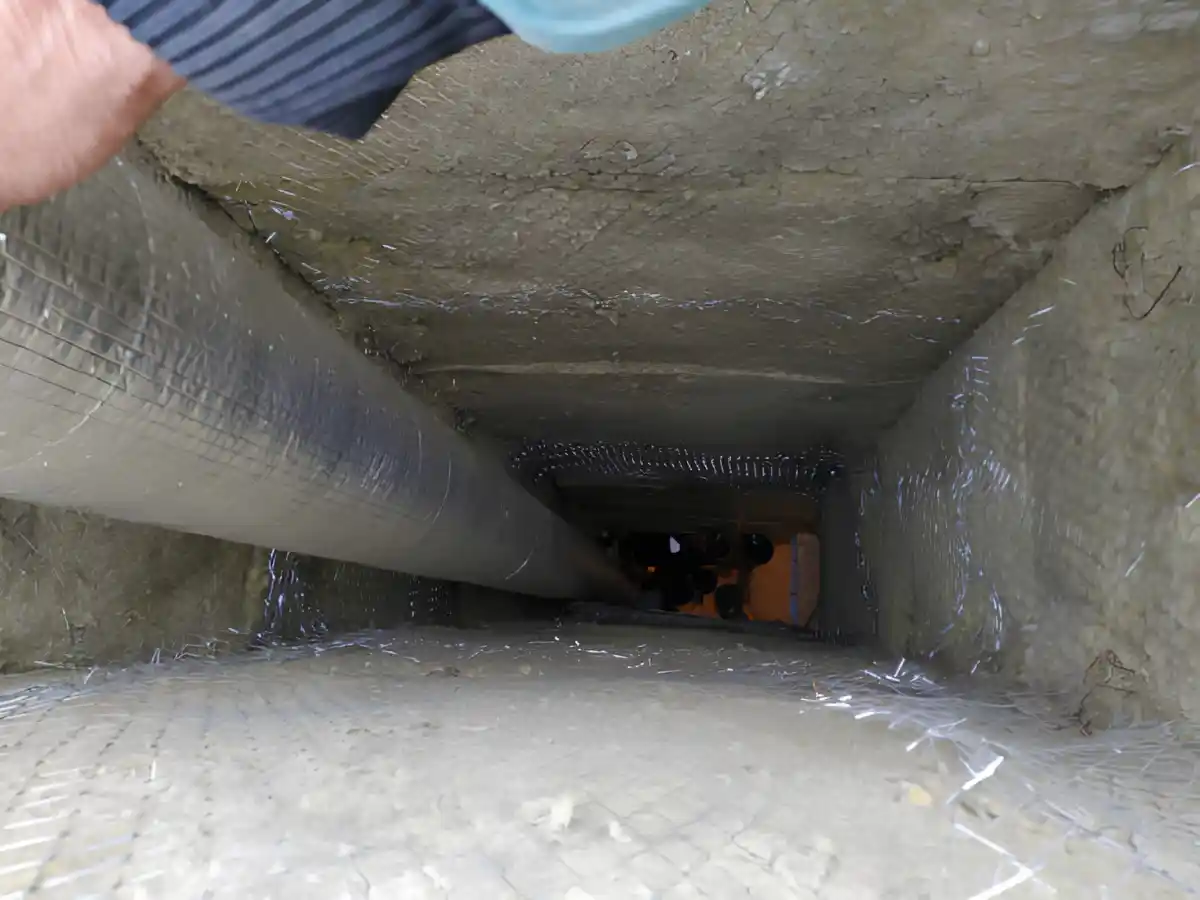
Buying a house, after a quake, or simply unsure: an inspection tells you where things stand.
Learn more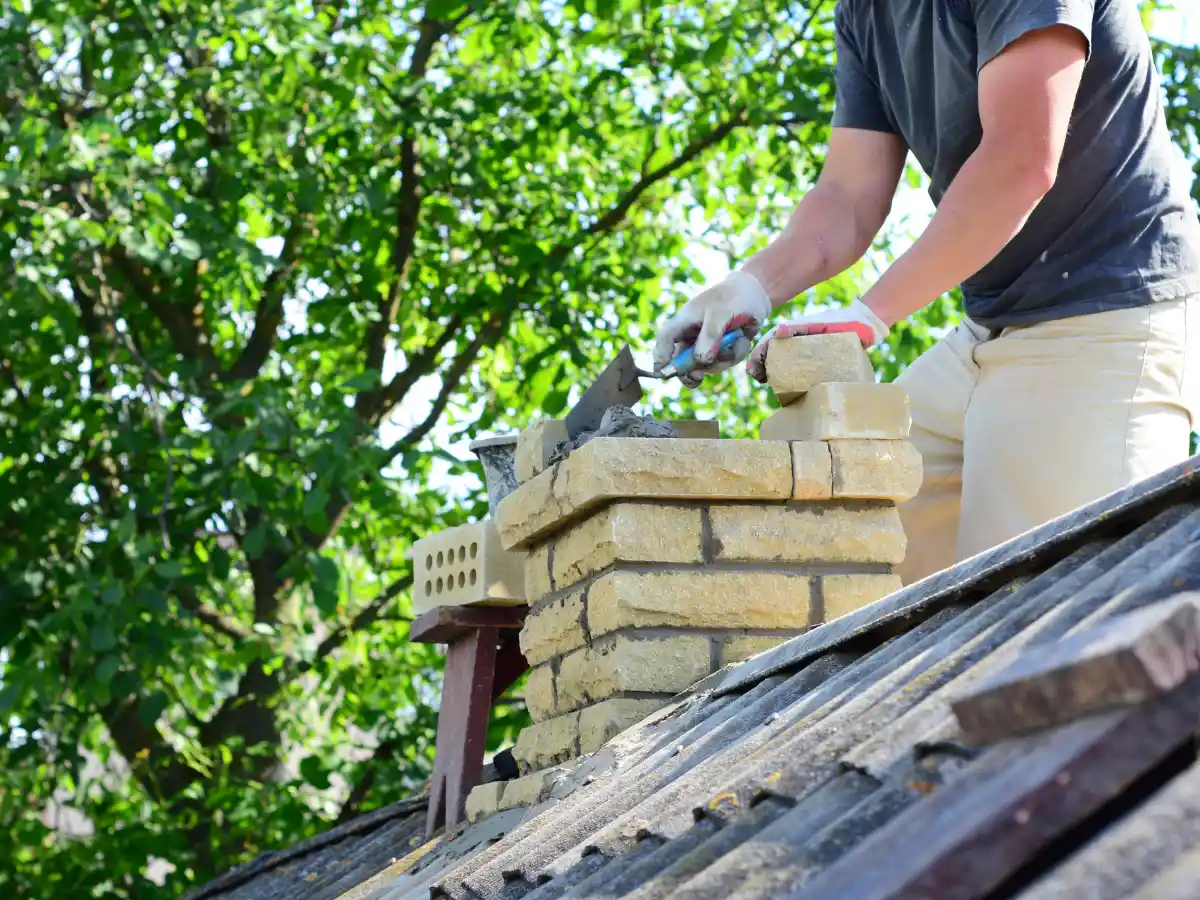
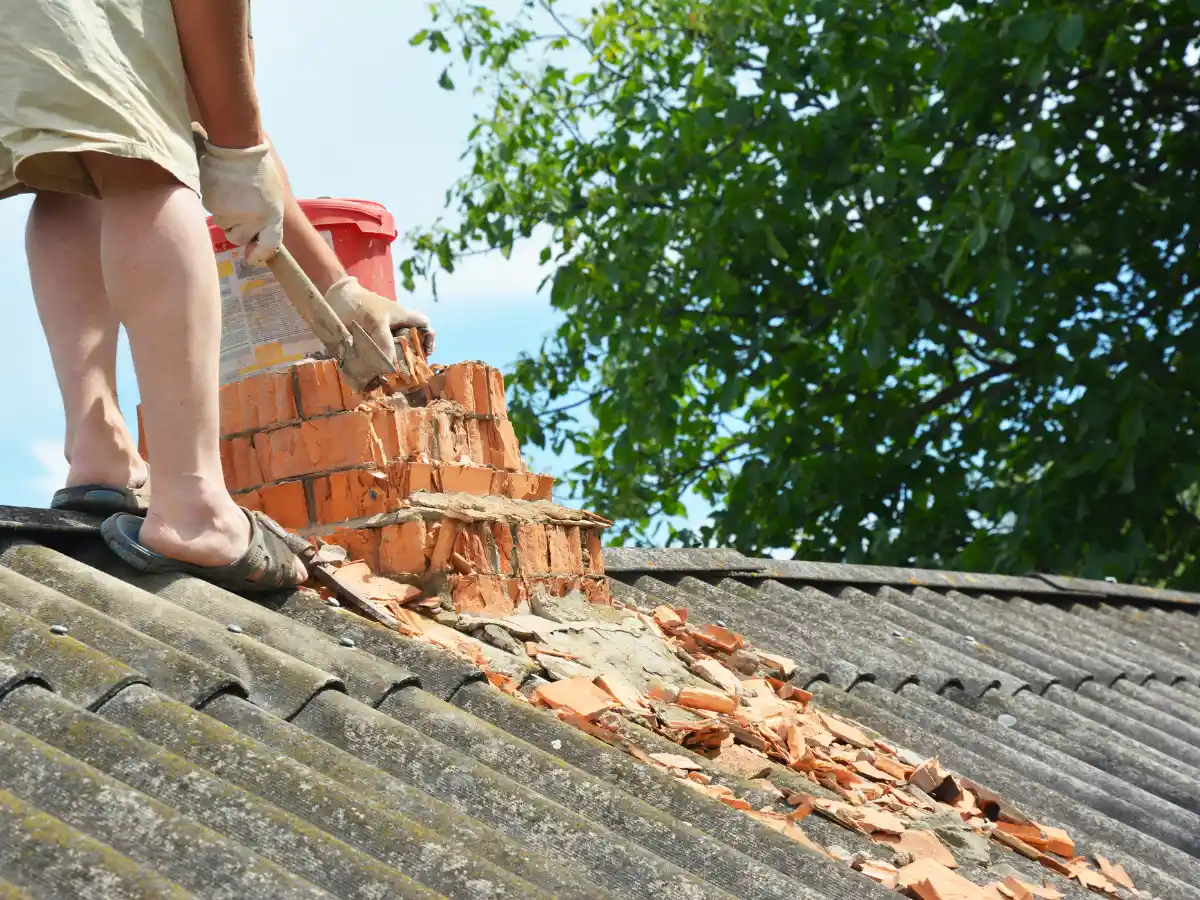
Water stains, cracked brick or pieces on the roof. We find the source before fixing anything.
Learn more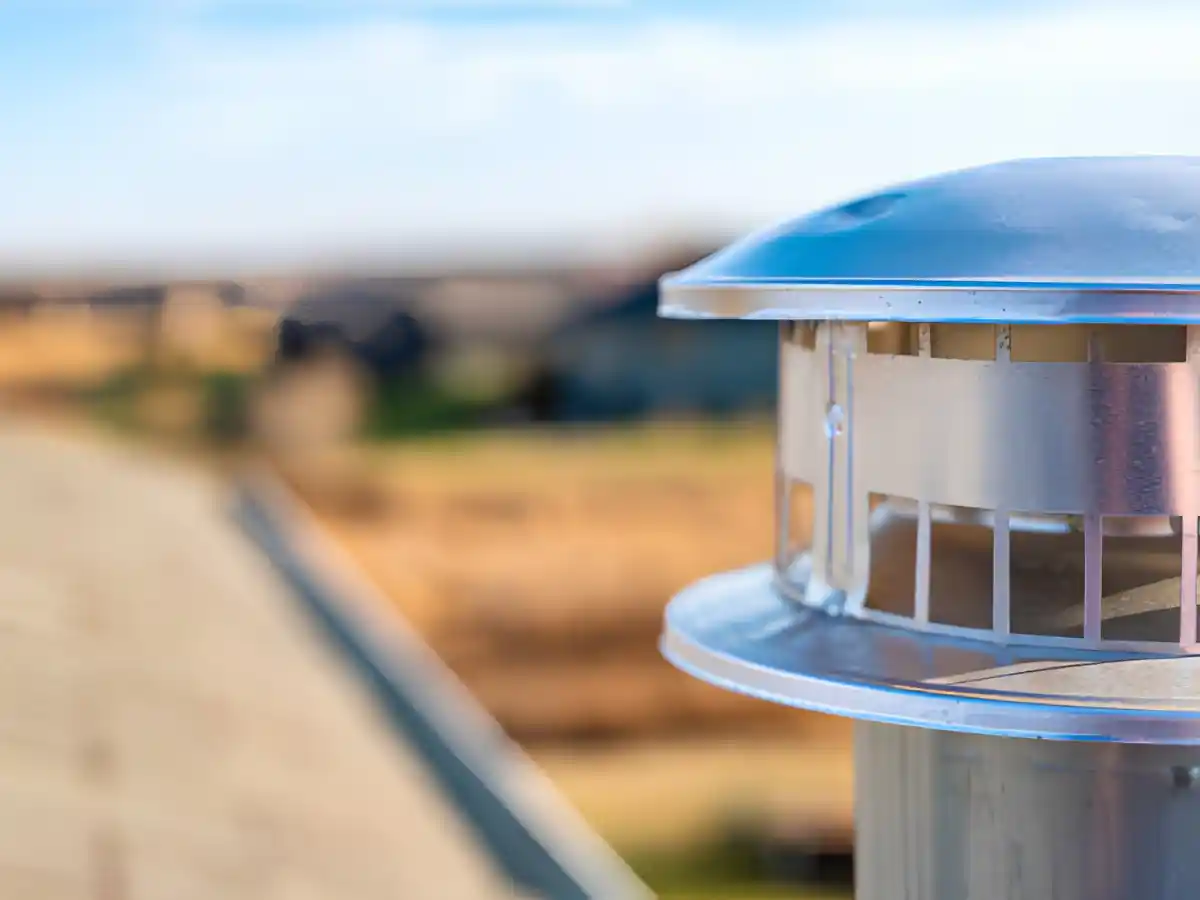
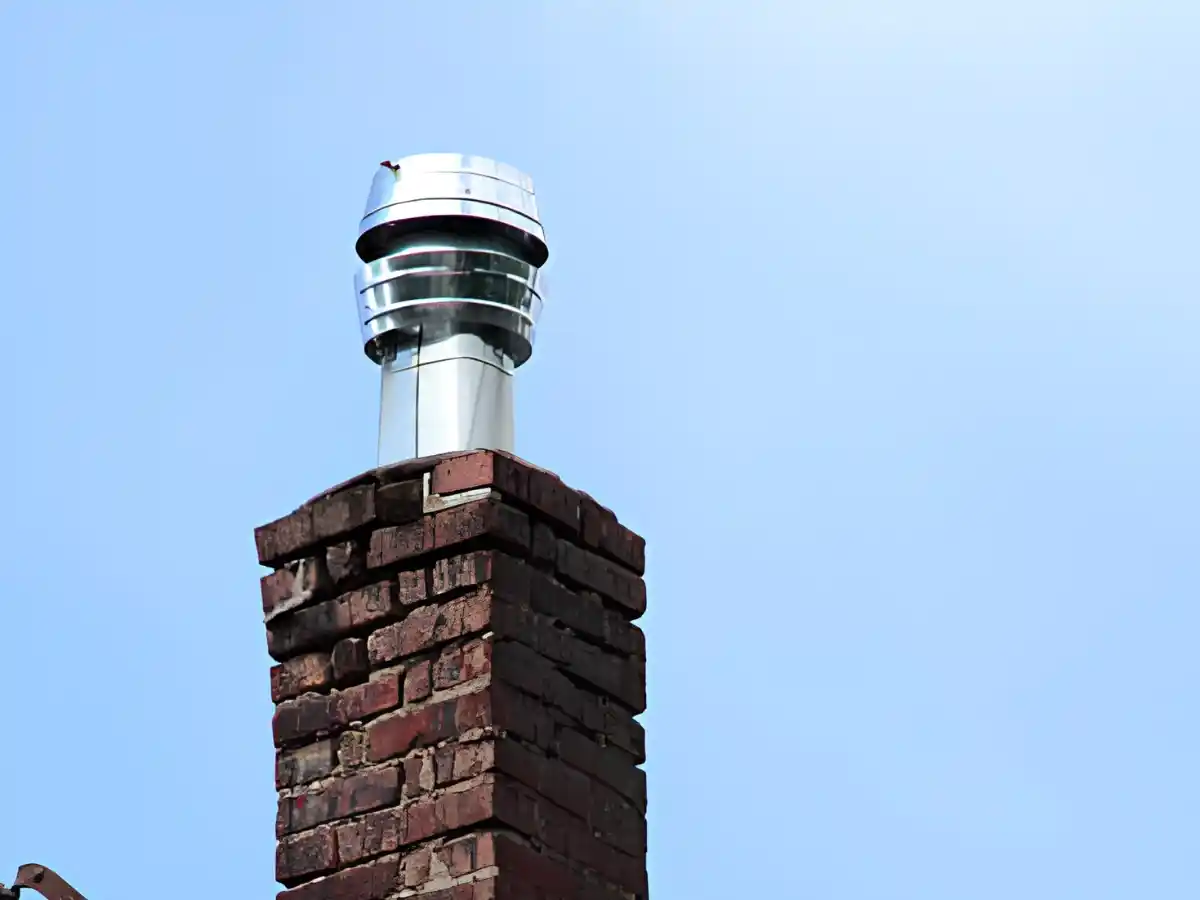
Open flue or a rusted screen? A new cap and arrestor closes the gap to rain and embers.
Learn more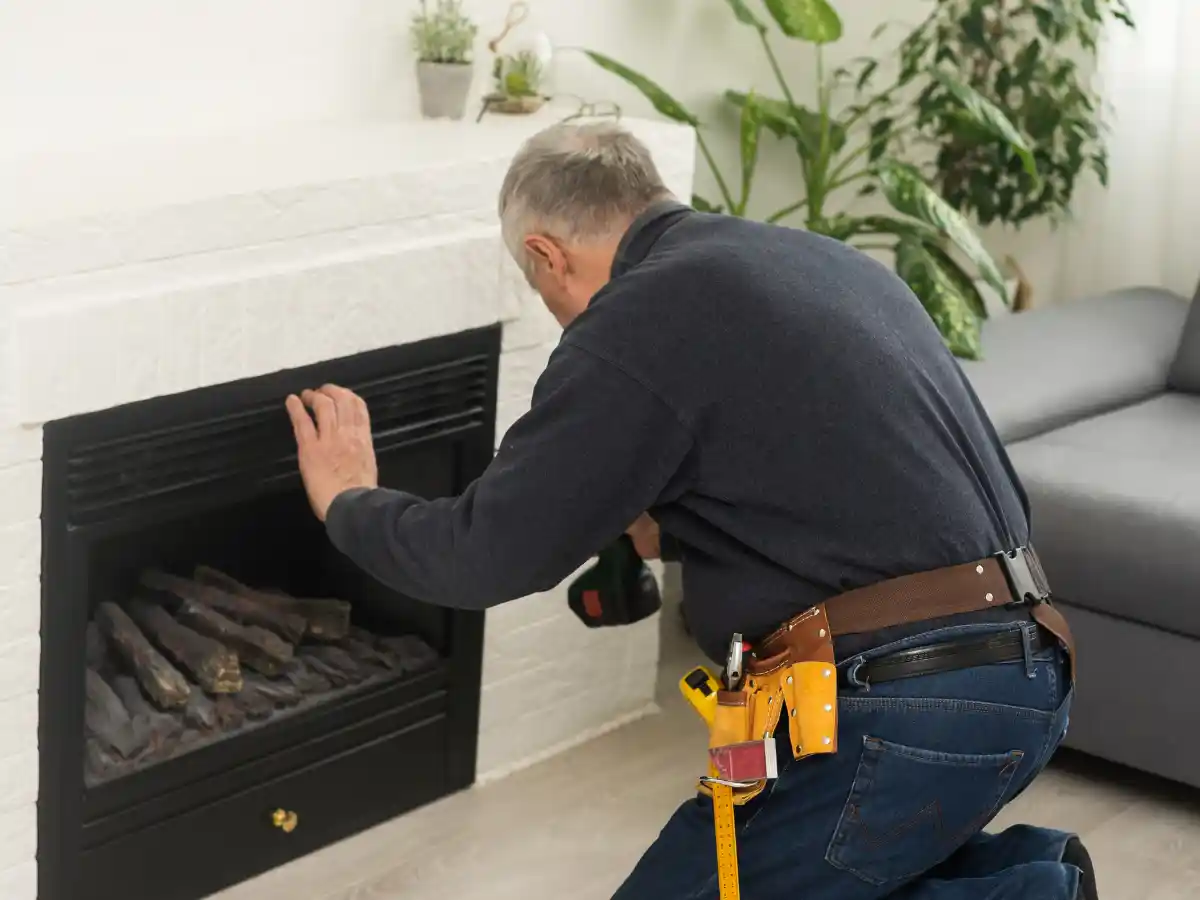
Gas logs that won't light right, a damper that sticks, or panels cracked from heat.
Learn more
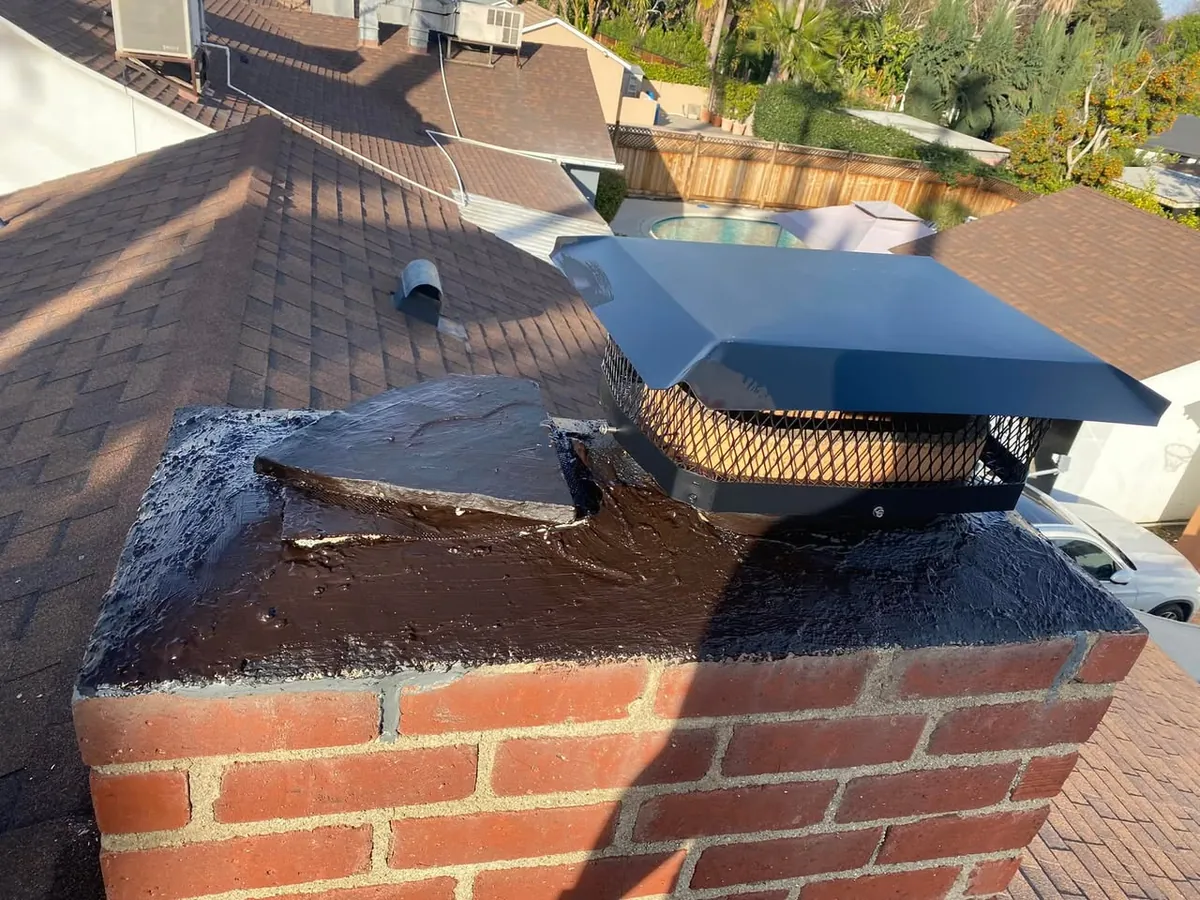
Hairline cracks at the top let the winter rain straight into the brick below.
Learn moreCurrent savings
Tap an offer to request it, then mention it when you book. View all offers and terms
Homeowners 65+, up to $50
Active duty and veterans
Fire, police and EMS
First chimney cleaning of $125+
One offer per visit. Mention it when you book.
Under the city
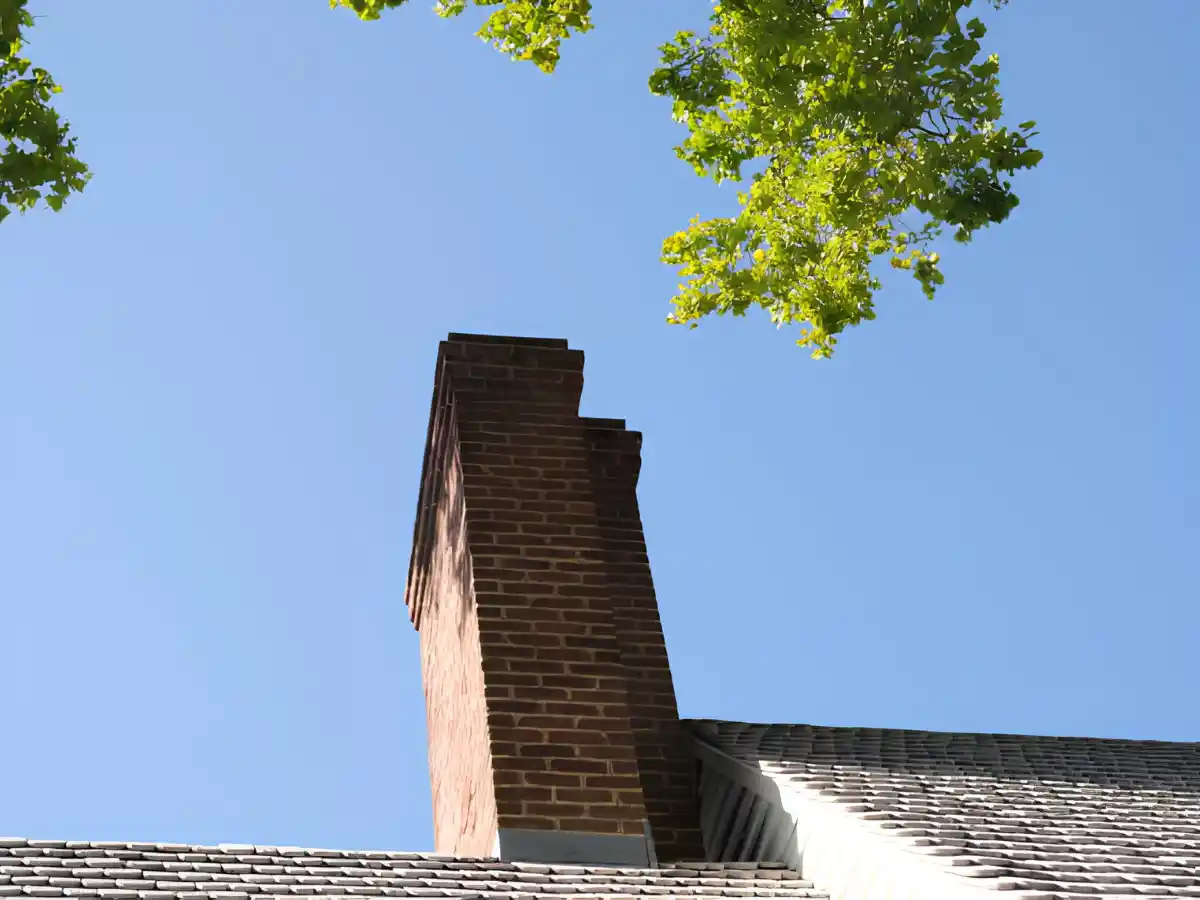
On March 10, 1933, a magnitude 6.4 earthquake struck on the Newport–Inglewood fault, with its epicenter offshore about three miles south of Huntington Beach. That fault hasn't gone anywhere. Masonry chimneys take shaking poorly: they crack where the stack passes through the roof, mortar loosens at the top, and the crown separates from the brick. After any noticeable quake, a look at the roofline and a flue inspection are reasonable steps before the next fire.
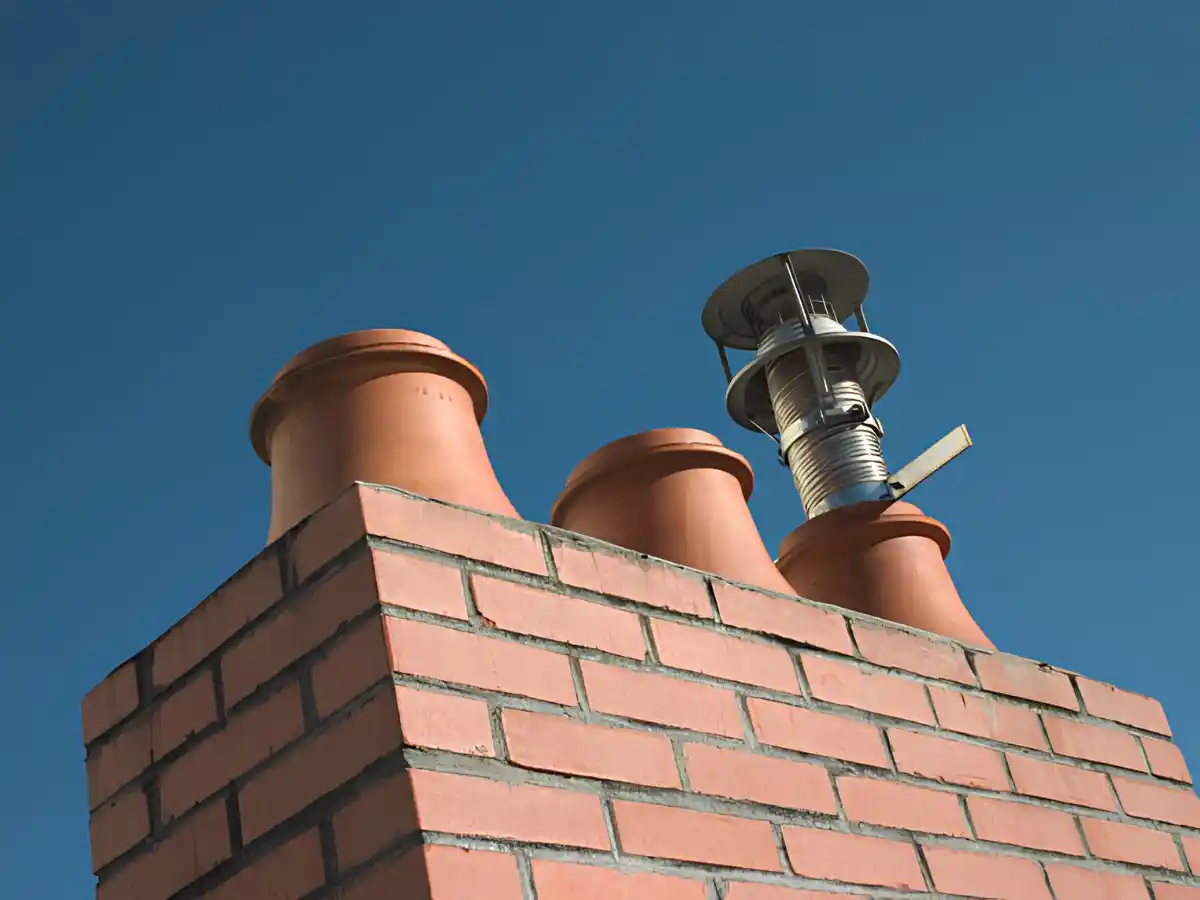
Homes from the 1960s rush that we see usually have either a brick fireplace or a factory-built box with a metal flue. Six decades on, clay flue tiles show cracks, original dampers rust shut or won't seal, and early metal chimneys corrode at the joints. Some owners converted to gas inserts years ago without relining; those vents need checking too, since an insert can't vent safely through a damaged flue.
Book a visit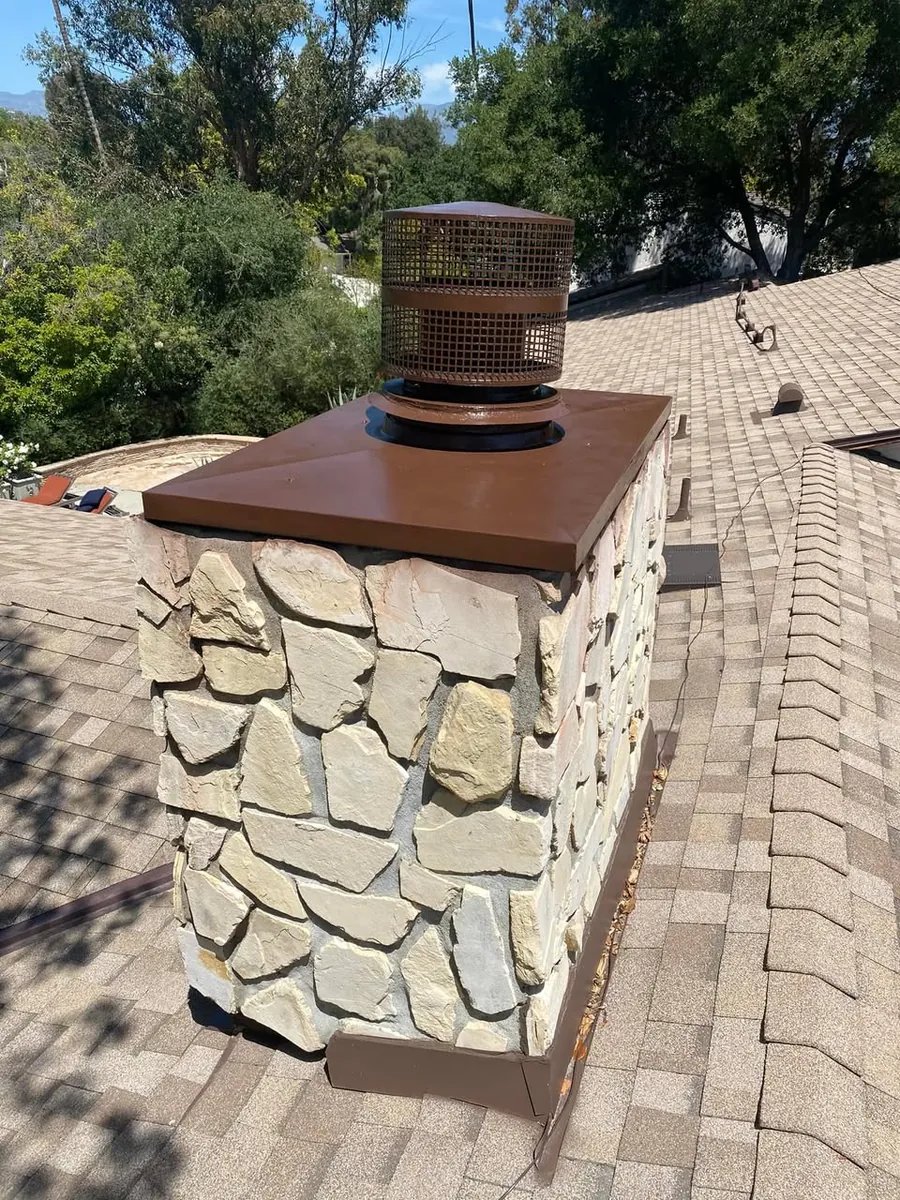
How it goes
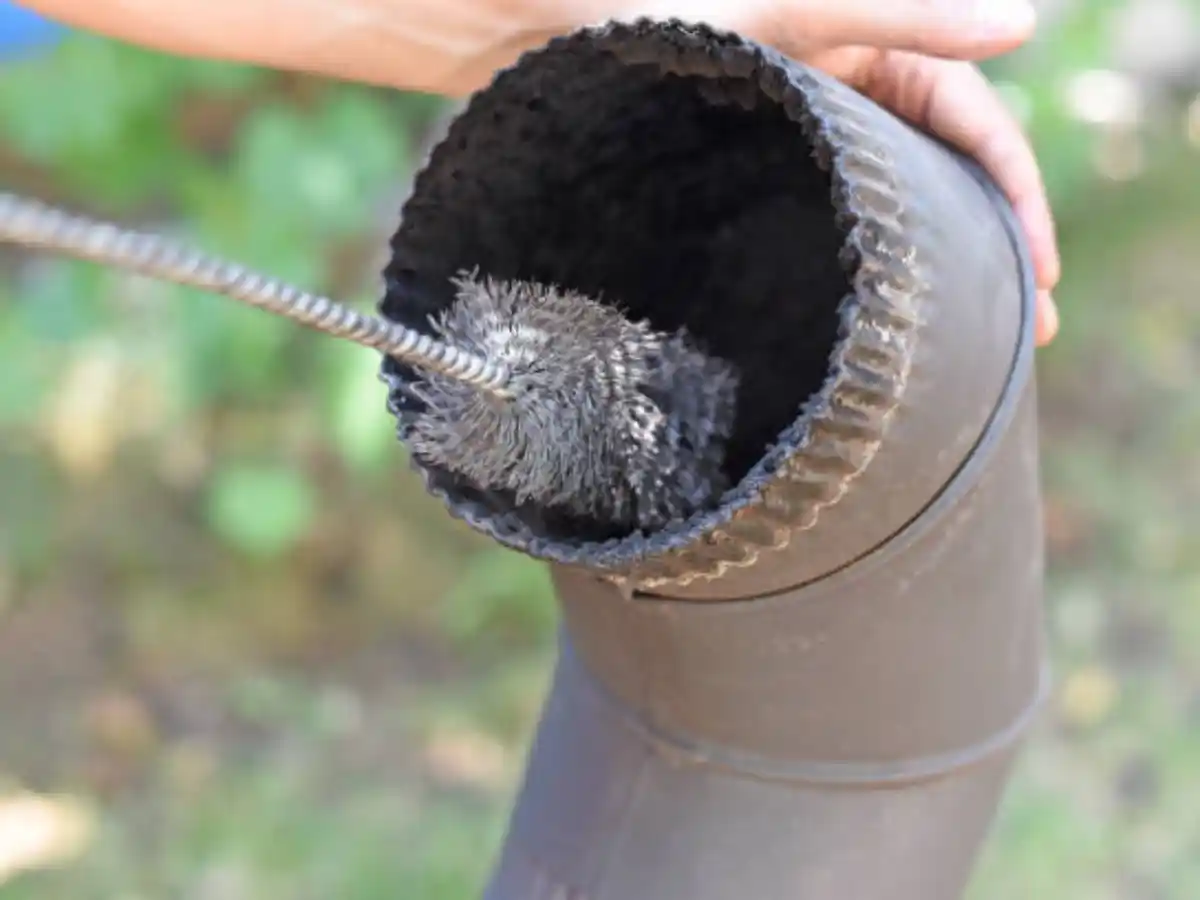
A visit starts with drop cloths at the hearth and a vacuum running during the sweep. The tech checks firebox, damper, flue and the top of the stack, then talks you through what's sound and what isn't. Some homes need a sweep and nothing more. If repairs make sense, you choose which ones.
How it works
Say what you've noticed and what kind of fireplace you have. Gas or wood changes what we bring.
Firebox, flue, roof and crown are checked in order, and whatever turns up is walked through with you in plain terms.
Some visits end with a sweep. Others need a cap, a crown or masonry. Nothing extra starts until you say yes.
Beach weather
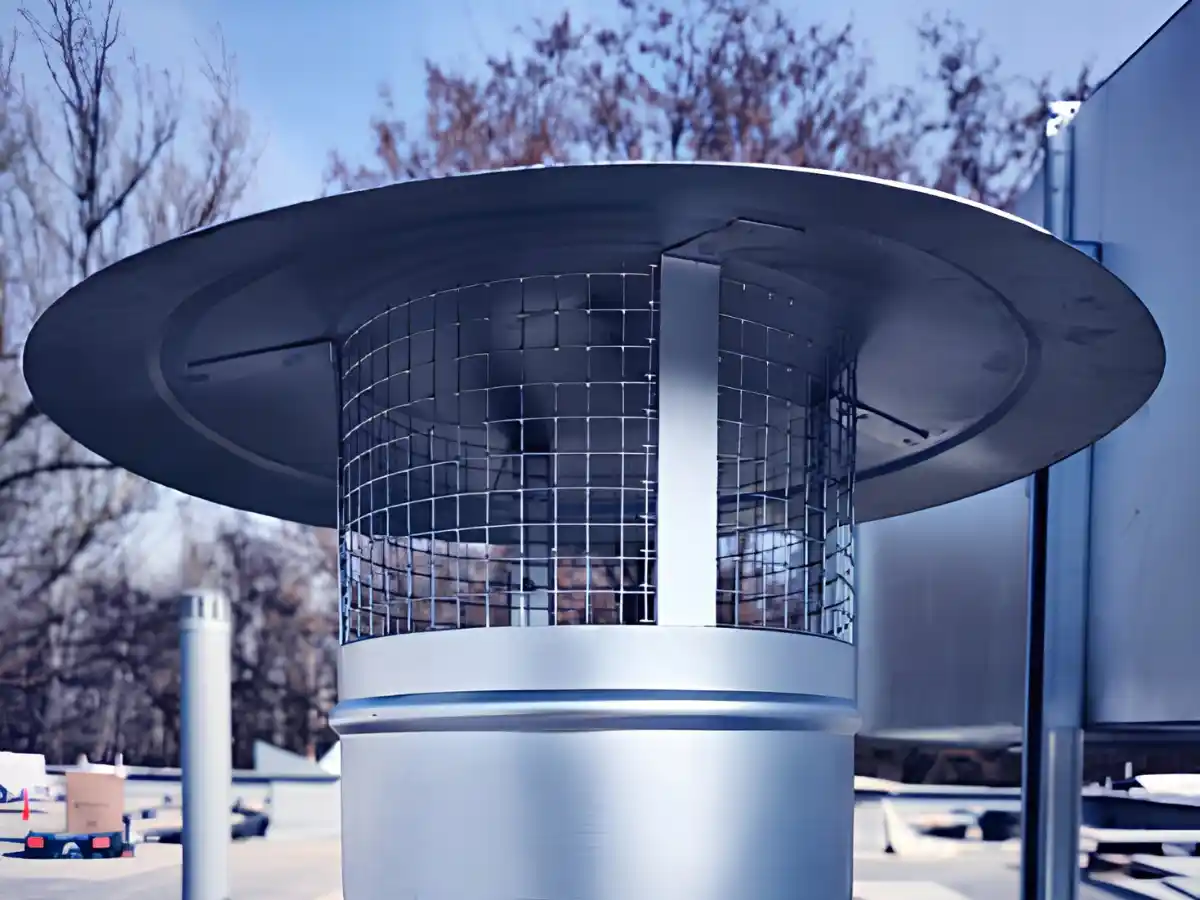
May and June bring the marine layer, with overcast and fog rolling in off the water, and summer highs rarely pass 85°F. That steady moisture, carried in with salt from a 9.5-mile beach, is why chimney caps and chase covers rust out faster here than in inland cities. Pitted mesh stops working as a spark arrestor and lets birds and debris into the flue. Rust stains on stucco under the chimney top are the usual early sign, long before a leak shows indoors.
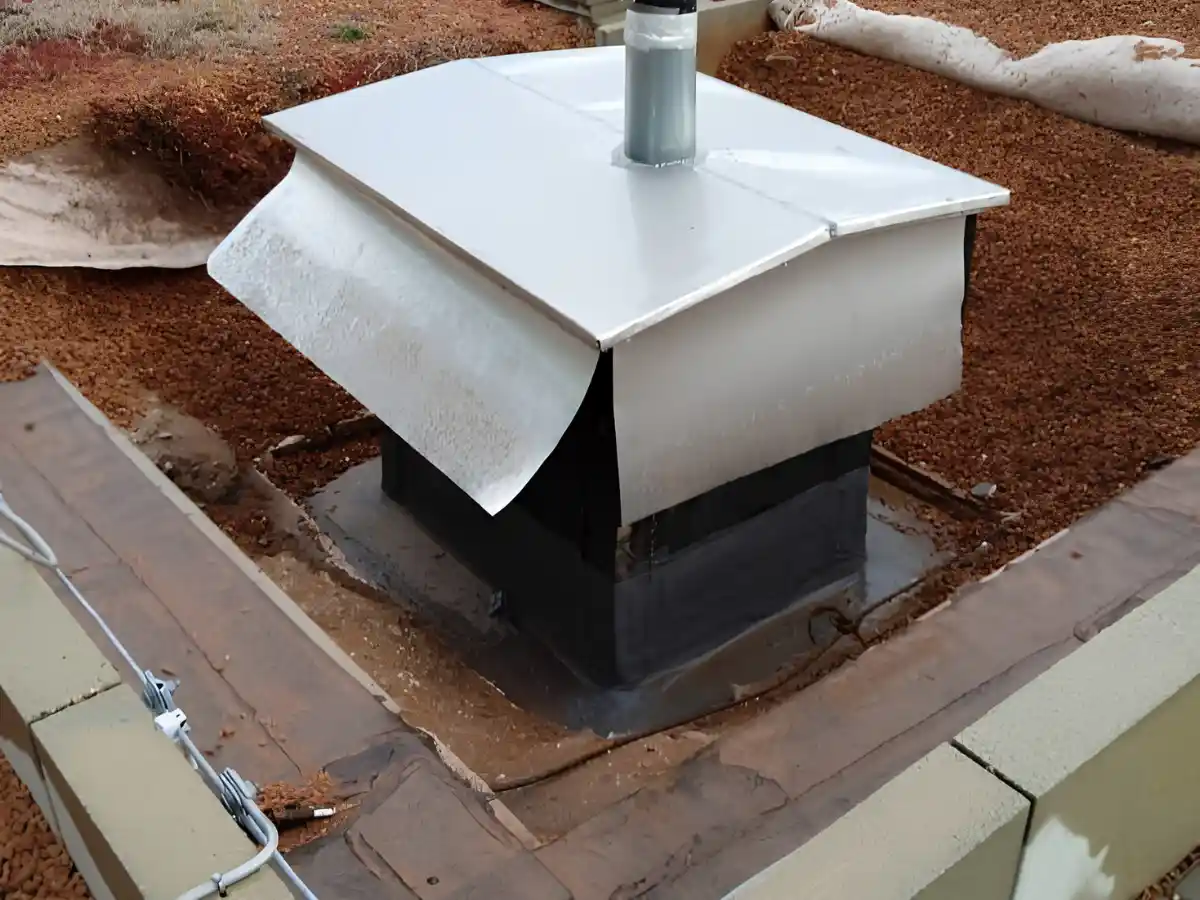
About 14 inches of rain falls in a typical year, mostly mid-winter. A crown with hairline cracks or a chase cover with rusted seams lets that water straight into the chimney, and the damage shows up as stained ceilings, flaking mortar or a rusty damper. Sealing the brick and fixing the top before the rains do most of the protecting. Doing it in the dry months also means the masonry is dry enough to take a sealer properly.
Around town
Our techs work in Downtown near the pier, Huntington Harbour and its islands, the neighborhoods around Huntington Central Park, streets near the Bolsa Chica wetlands and Sunset Beach, and reach into Costa Mesa and Newport Beach from our Laguna Niguel office.
5 listed service areas. marks a shop location. Call to confirm availability for your address.
That town isn't on the list. Call (949) 353-6287 to check.
24050 Aliso Creek Rd #150
Laguna Niguel, CA 92677
Sun–Fri: 6:00 AM – 10:00 PM
Photos
Common calls
FAQ
Short answers to what people ask most. More are on the full FAQ page.
Yes, especially a masonry chimney. Shaking tends to crack stacks where they pass through the roof and can shift flue tiles inside, which you won't see from the living room. A roofline check and a camera look up the flue show whether it's safe to use. If it isn't, chimney repair options get explained before anything is done.
On the harbor islands, salt exposure is constant, so material matters. Stainless steel caps and chase covers hold up far better than galvanized ones. Rinsing isn't practical on a roof, so the realistic plan is a corrosion-resistant cap and a regular look at the mesh and fasteners.
Sometimes. A damper that's just stiff can often be freed and adjusted. One that's rusted through or warped won't seal, in which case we'd talk through a replacement, including dampers that seal at the top of the flue. The tech will tell you which you have.
They do. The insert vents through the chimney, usually through a liner, and that path must be clear and intact. Nests, debris and corrosion at the cap are the usual problems. We check the vent route and the top of the stack.
NFPA 211 recommends an inspection every year. Light use usually means less creosote, but rain, salt air and quakes keep working on the chimney whether or not you burn a fire. A yearly inspection, with a sweep when deposits call for it, covers it.
Call while we're open or send the form, and we'll set up a time that suits you.