Inside the flue
Chimney liner installation and relining
- Camera look before relining
- Sized to the appliance
- Options laid out first
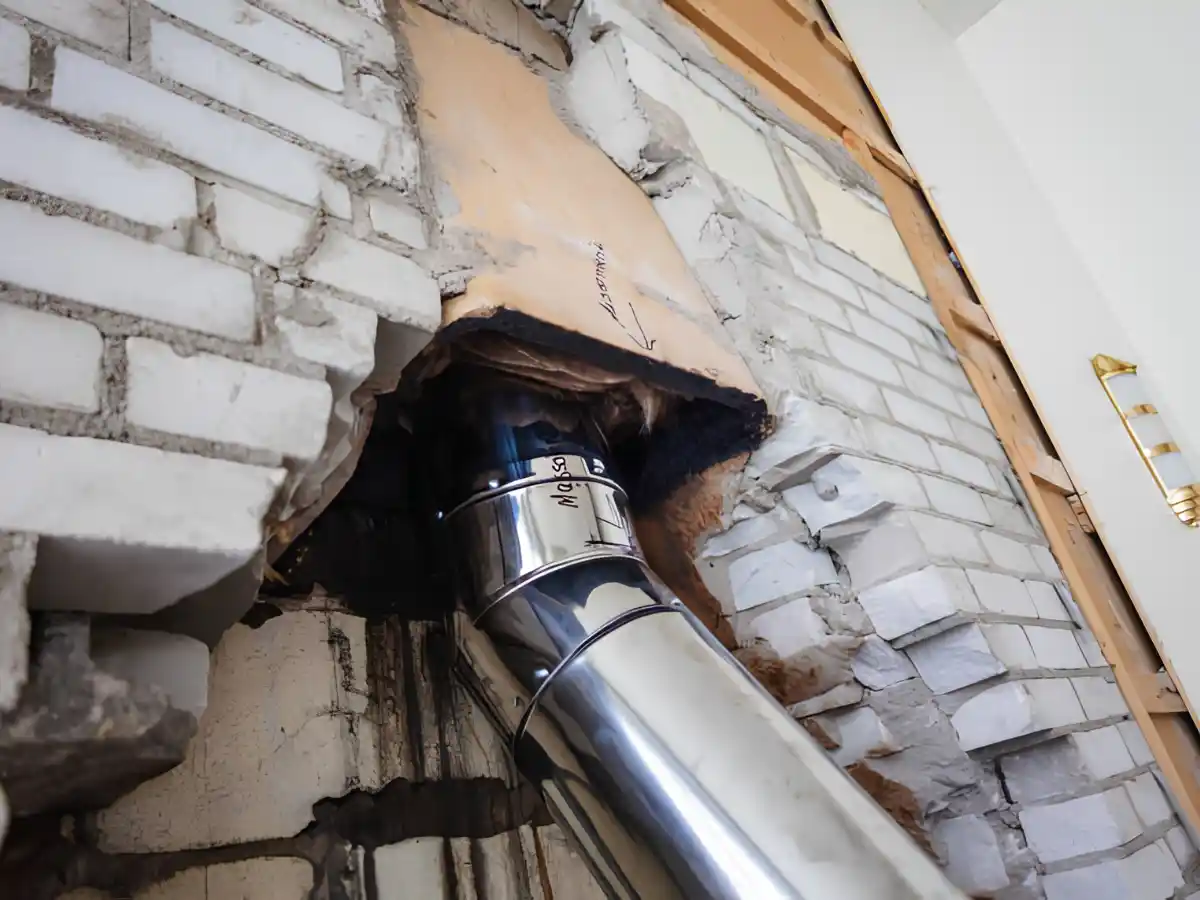
Most masonry chimneys in older Southern California neighborhoods were built with stacked clay tile flues. Chimney liner installation replaces or relines that flue when the tiles have cracked, shifted or separated, or when a new insert or gas appliance needs a vent sized to it. The liner is what keeps heat, sparks and exhaust inside the flue instead of working into the brick and the framing around it.
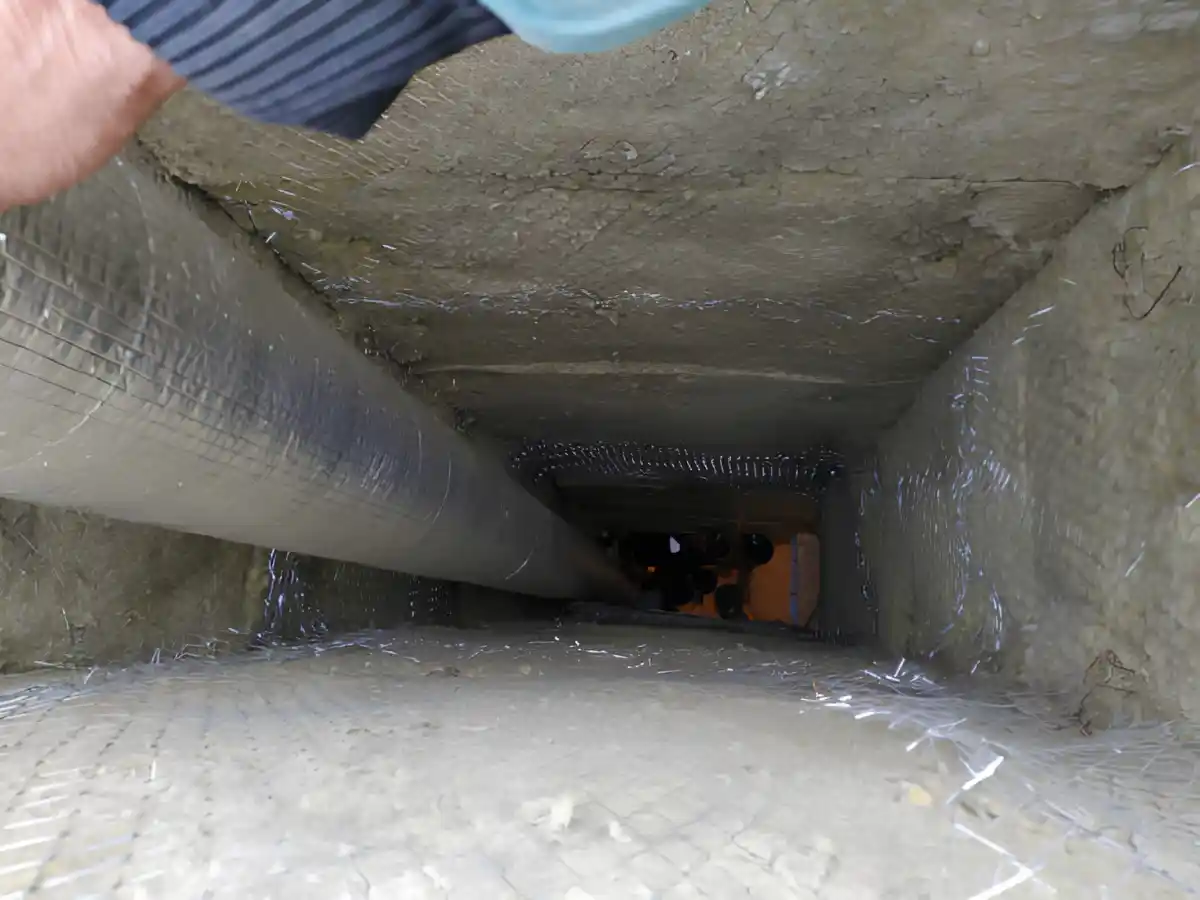
Clay tiles take a beating over decades. A chimney fire, a strong earthquake or years of heat cycling can crack them or open joints between sections, and none of it shows from the roof or the room. A camera inspection down the flue is how the damage is found and measured, and it is the first step before any relining is quoted.
Planning an insert or found a cracked flue?
Give us a call any day except Saturday, early morning to late evening, to set a time to look inside the flue.
Liner types and where each fits
The right liner depends on the appliance, the flue shape and how much of the old flue is usable.
Stainless steel liner
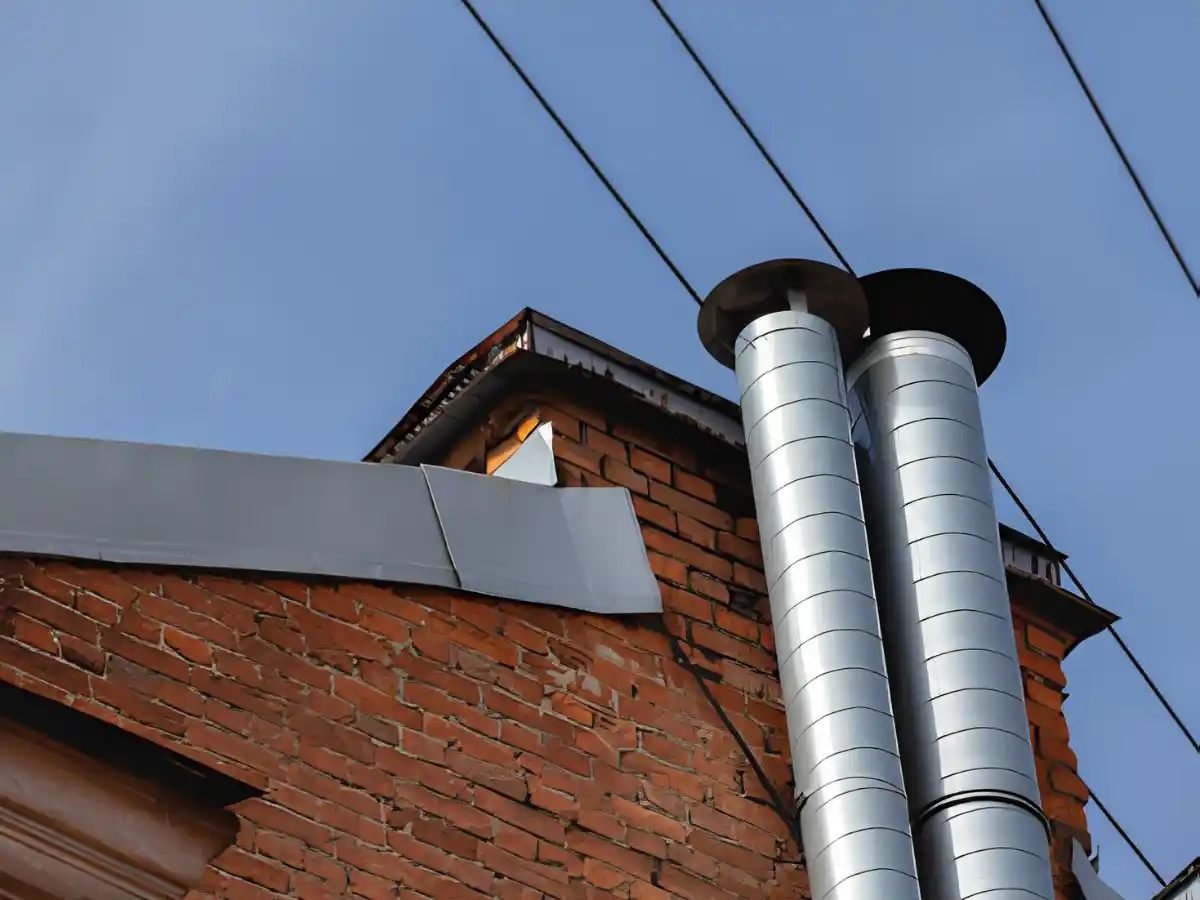
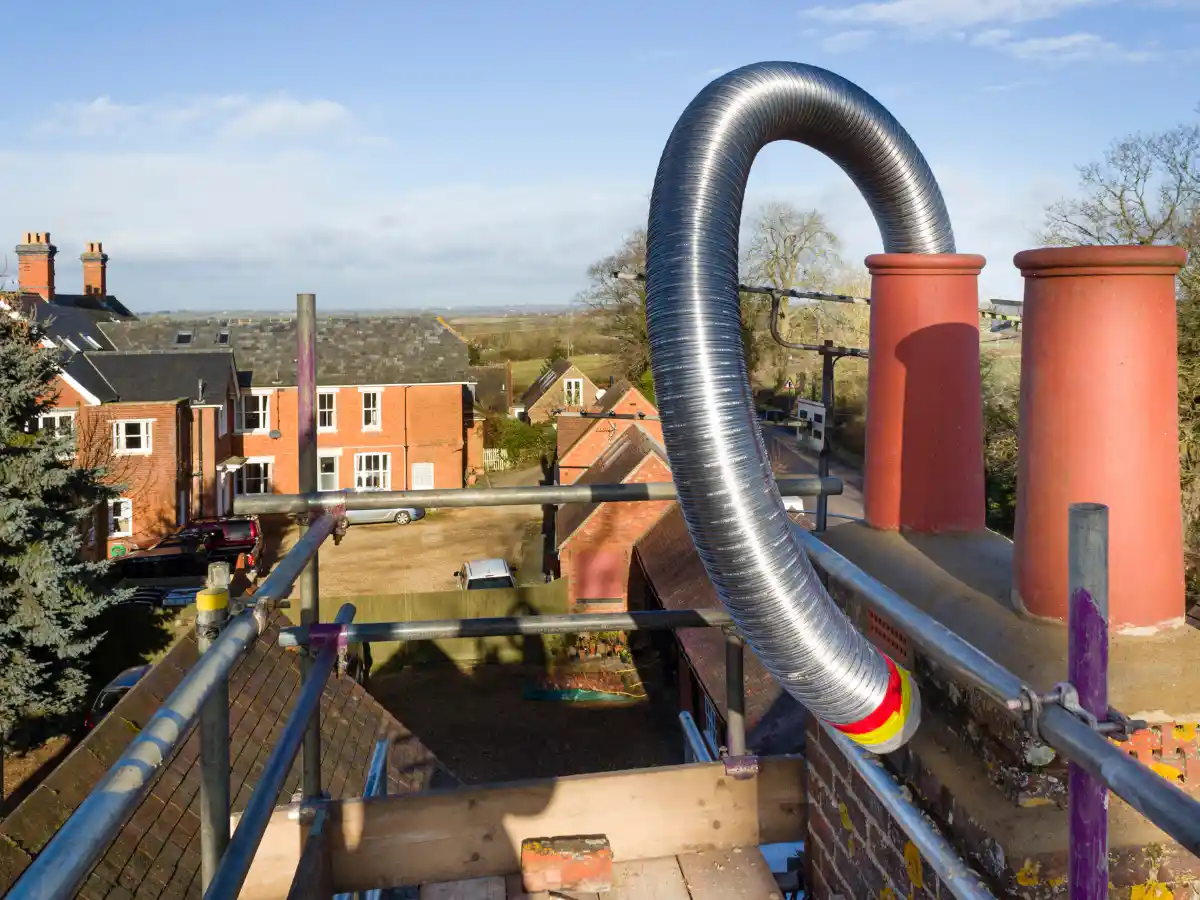
A round stainless pipe, rigid or flexible, run from the appliance to the top of the chimney. It is the usual choice for wood and gas inserts and for gas furnaces or water heaters venting through a masonry chimney, because it can be sized to the appliance outlet.
Cast-in-place liner
A form is placed in the flue and a heat-resistant cement mix is poured around it, leaving a smooth, joint-free flue and adding some strength to the old chimney. It suits chimneys with an odd shape or one that needs reinforcing.
Clay tile replacement
Replacing tile sections like-for-like is possible, but usually means opening the chimney. It tends to come up when the chimney is being partly rebuilt anyway.
Prefab chimney pipe
Factory-built fireplaces don't use clay at all; they vent through listed metal pipe. A damaged section is replaced with parts listed for that unit.
Common reasons for relining
Liner jobs usually trace back to one of these five starting points.
| Situation | What the tech finds | Usual direction |
|---|---|---|
| Wood or gas insert going in | Old flue far larger than the insert's outlet | Stainless liner sized to the insert |
| After a chimney fire | Cracked or spalled tiles, glazed creosote | Clean first, then reline |
| After an earthquake | Offset joints or broken tiles | Reline, or rebuild if the brick moved |
| Unlined older chimney | Bare brick or gaps where the flue should be | Stainless or cast-in-place liner |
| Gas appliance on an old flue | Flue sized for wood, not for the gas appliance | Liner matched to the gas appliance |
Safety first. A cracked or gapped flue lets heat reach wood framing beside the chimney and can let exhaust, including carbon monoxide, leak into attic spaces or rooms. If a camera inspection shows broken tiles, hold off on fires until the flue is repaired, and keep a working CO alarm on each floor.
Clues the flue may be damaged
Flue damage is mostly hidden, but a few things hint at it.
- Pieces of tile in the firebox or smoke shelfLiner sections are breaking off from above.
- Smoke smell in an upstairs room or closetExhaust may be escaping through a crack into the chimney chase.
- Fireplace that drafts poorly after a quakeTiles may have shifted and partly blocked the flue.
- A sweep's report of puffy or glazed creosoteA sign of a chimney fire, which commonly cracks clay tiles.
How relining is done
A stainless relining usually goes in these steps.
Inspect and measure
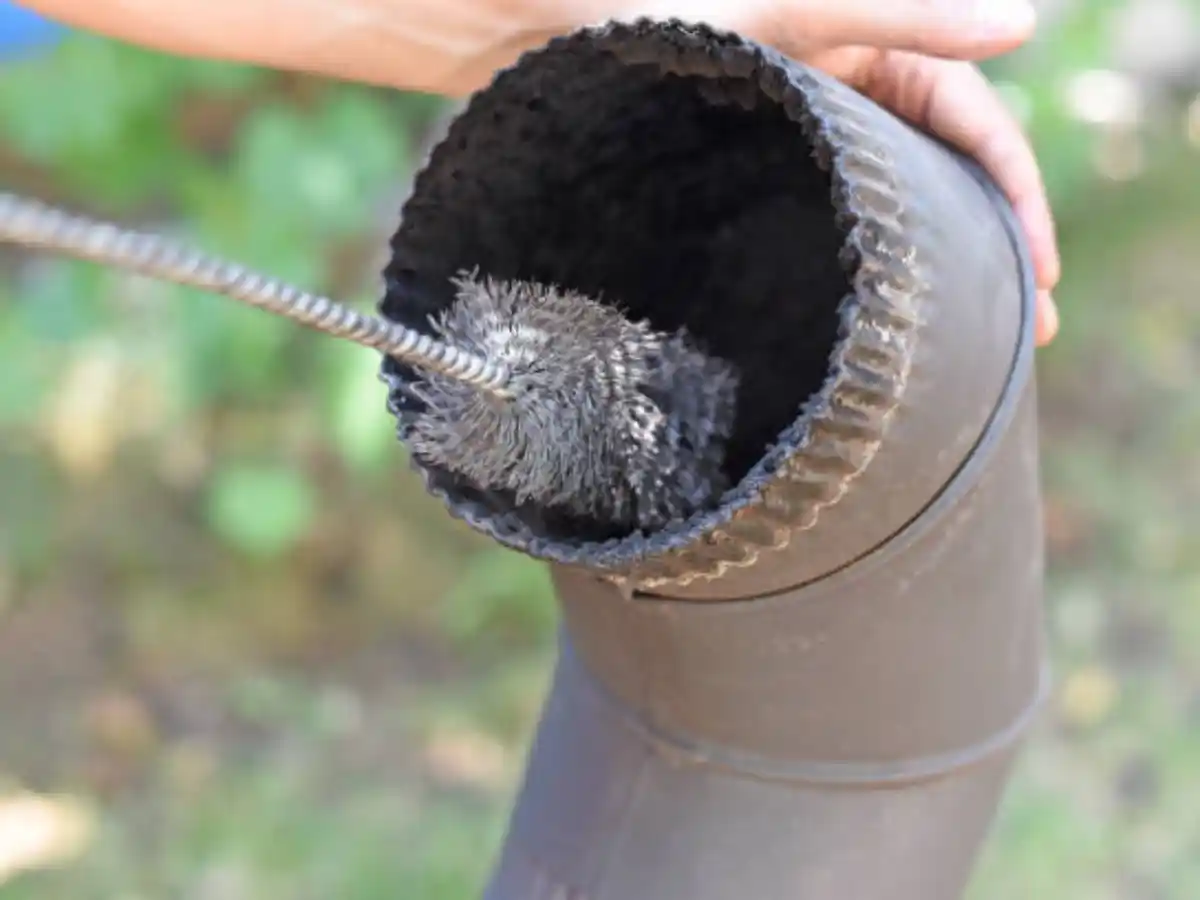
The flue is swept and filmed, and the tech measures its height and inside size along with the appliance outlet. Relining is a change to the venting, which industry guidance treats as a trigger for a Level 2 inspection.
Choose the liner and size
Based on the appliance and the flue, the tech lays out the liner options and sizes. You choose before parts are ordered.
Install and connect
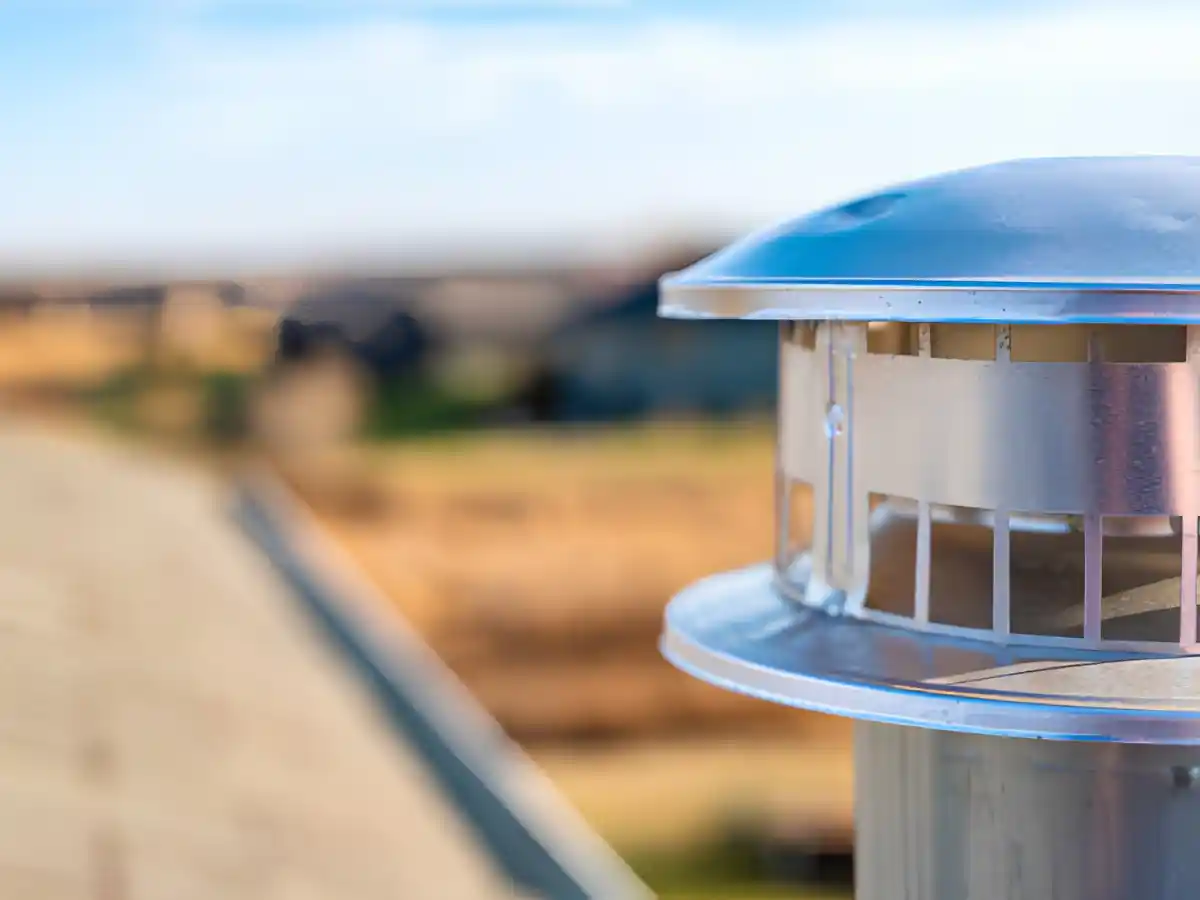
The liner is lowered from the roof, connected to the appliance at the bottom and fitted with a top plate and cap. Insulation is added around it where the setup calls for it.
Check the draft
With the appliance running, draft and exhaust are tested, and any soot or debris in the room gets cleaned up before the job is signed off.
Cost factors
Liner type matters most: a flexible stainless run, an insulated rigid run and a poured cast-in-place lining are very different jobs. Chimney height, flue shape, roof pitch and whether the insert or appliance is going in at the same visit all move the scope. Repairs found on the camera, like a broken smoke shelf, are listed separately.
What you can count on
You see the flue first
Camera footage and measurements are shared before any relining is proposed, so you know what is cracked and why.
Matched to your fireplace
Wood insert, gas logs, gas insert or furnace vent each need different sizing, and the liner is chosen for the appliance you have.
Reach either office
Dial one number and it reaches Laguna Niguel or Rancho Palos Verdes; lines are staffed early morning through late evening, Saturdays excepted.