Below the flue
Fireplace repair for the part of the chimney you actually see
- Wood, gas log and insert setups
- Findings explained before any work
- Drop cloths down in the room
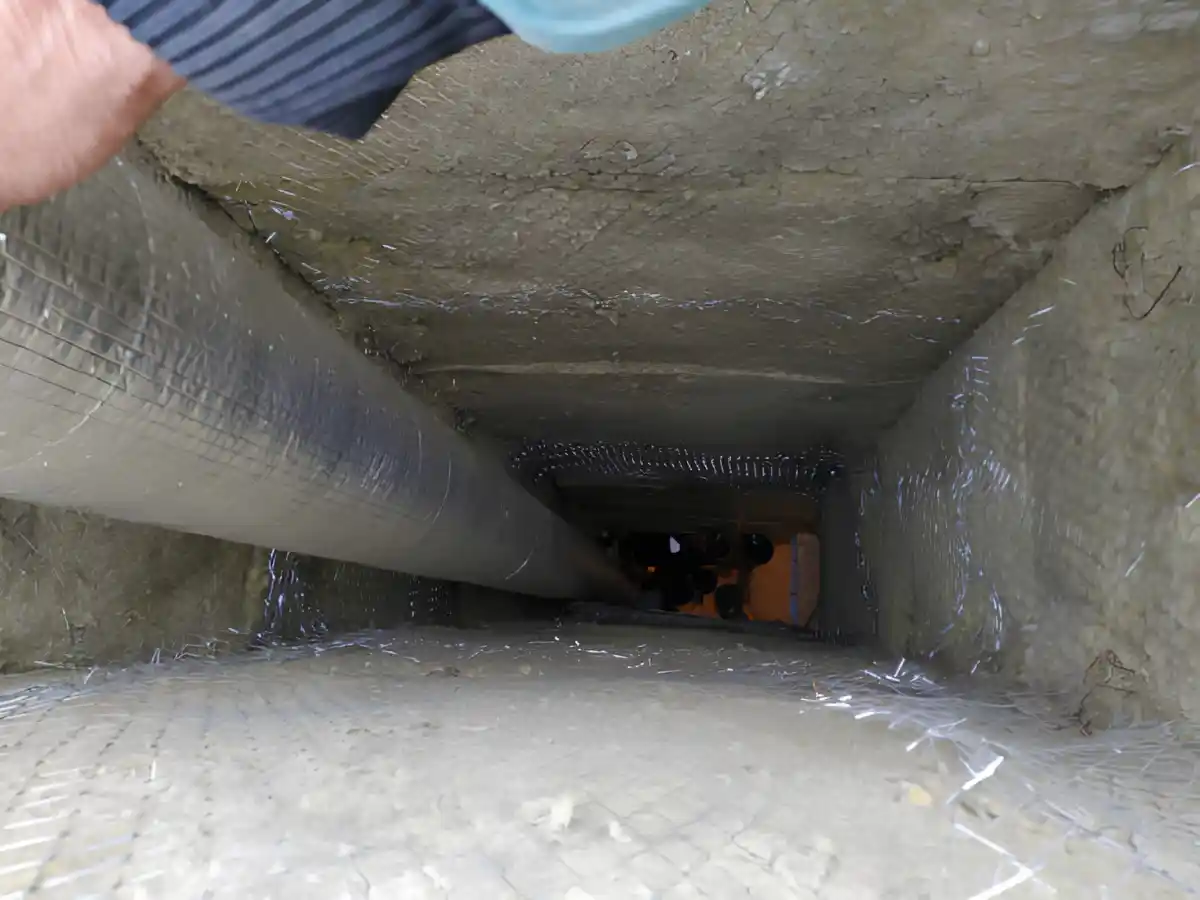
Is the fireplace in your living room still fit to use after years of sitting cold? Fireplace repair covers the firebox, the damper, the hearth and the venting behind gas logs and inserts, the pieces you can touch from inside the house. Problems here often start higher up, so a tech usually pairs the visit with a look up the flue before recommending anything.
Southern California fireplaces tend to get lit a handful of evenings each winter, then sit for months. Mortar joints in a brick firebox dry and loosen, damper hinges stiffen from salt air, and a gas log set can collect dust and spider webs in the burner ports. None of that announces itself until the night you want a fire, which is a good reason to have it checked during the dry months.
Tell us what the fireplace is doing
Describe the crack, smell, smoke or stuck handle on the phone, Sunday through Friday, and we'll set a visit.
Three kinds of fireplaces, three sets of problems
A masonry wood-burning fireplace is built from firebrick laid in refractory mortar, with a damper and smoke chamber above it. Its weak points are open mortar joints, spalled or cracked brick, and a damper plate that has rusted or warped. A factory-built (prefab) wood unit is a metal box lined with refractory panels; once a panel cracks through, the metal behind it gets more heat than it was designed to take.
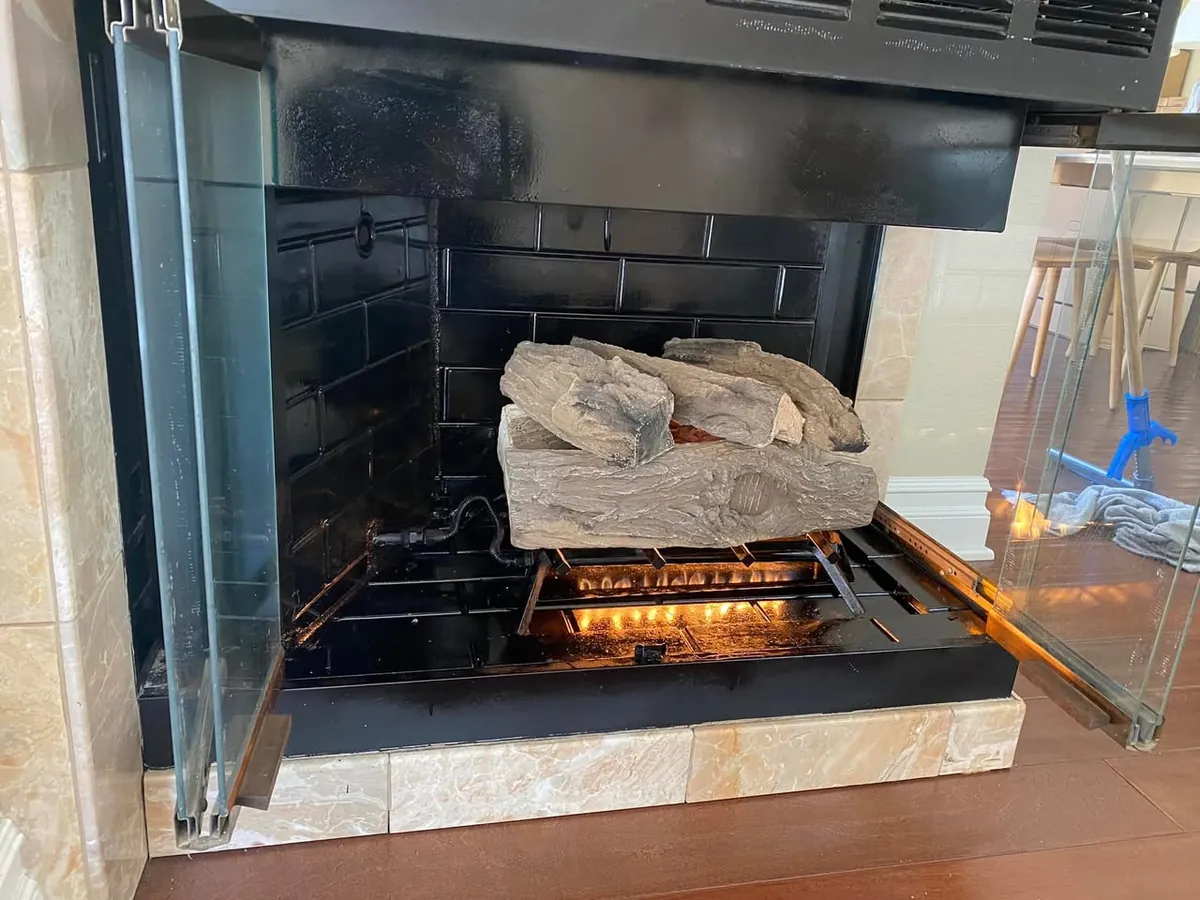
Gas logs sit inside a fireplace that still needs a working flue, since vented log sets send their exhaust up the chimney. A gas insert is a sealed appliance slid into the old opening and vented through its own pipe or a liner run up the chimney. Each type gets a different checklist, so the first question on the phone is which one you have.
Signs worth a call
These are the things homeowners usually notice first, and what they tend to point to.
- Gaps between firebricksRefractory mortar has eroded. Heat can reach the masonry or framing behind the firebox, so the joints need repointing with heat-rated mortar.
- Hairline or through-cracks in a prefab panelSurface crazing is common. A crack you can see light or metal through usually means the panel should be replaced to the unit's specifications.
- Damper handle that won't move or won't sealRust, warping or debris on the frame. A damper stuck shut fills the room with smoke; one stuck open lets warm air and drafts through all year.
- Smoke rolling out of the openingCould be a partly closed damper, a cold or blocked flue, or a firebox opening too large for the flue above it. The tech tests draft before guessing.
- Sooty glass or yellow, lazy flames on gas logsLogs placed wrong, clogged burner ports or a venting issue. Worth checking before the next use, since incomplete burning is how carbon monoxide forms.
- Loose or cracked hearth tilesSettling, an old quake or a failed mortar bed. The hearth in front of the opening is there to catch embers, so gaps should be closed.
What the repair work involves
Most fireplace jobs fall into one of these.
Firebox repointing and rebuild
Loose joints are raked out and refilled with refractory mortar. Bricks that have split or spalled are cut out and replaced with new firebrick. If much of the back wall is failing, rebuilding the firebox can make more sense than patching joint by joint.
Refractory panel replacement
On factory-built units, cracked back and side panels come out and new ones sized to that unit go in. The tech checks the metal shell and any gaps around the panels while they are out.
Damper repair or top-sealing damper
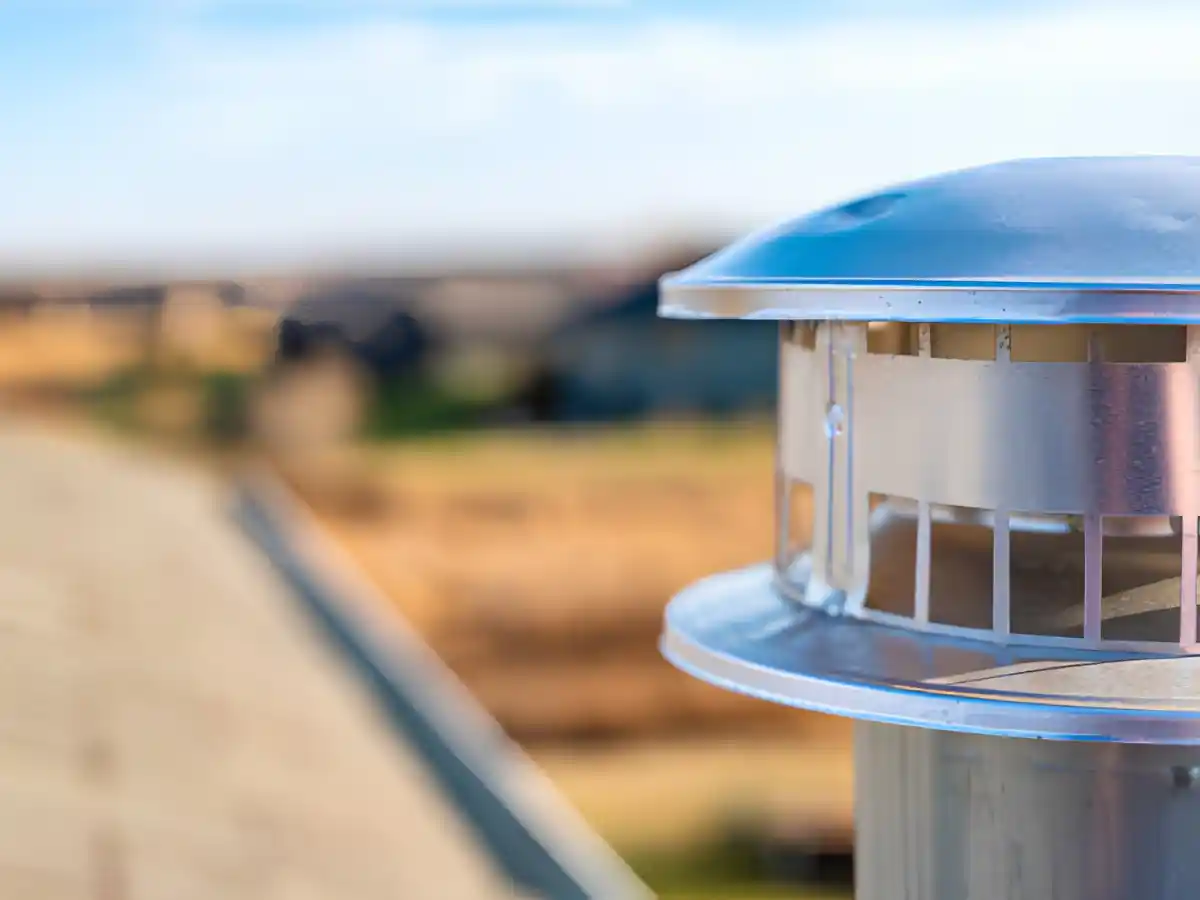
A stiff throat damper may only need cleaning and adjustment. A damper that is rusted through can be replaced, or a top-mounted damper can be fitted at the flue outlet, which also keeps rain and critters out.
Hearth and surround fixes
Cracked hearth tile, loose brick and gaps between the surround and the firebox are reset in a non-combustible bed so embers have nowhere to lodge.
Gas log and insert venting checks
Log position, burner ports, pilot and the vent path are checked. If the log set's instructions call for the damper to be held partly open, the tech confirms that it is.
Safety first. If a gas fireplace smells of gas, leave it off, get people outside and call your gas utility from outside the house; that is a supply problem, not a fireplace repair. Separately, any fuel-burning fireplace can produce carbon monoxide when venting is poor. A working CO alarm on each level and near sleeping areas is worth having whether the fireplace runs on wood or gas.
What changes the scope and cost
No two fireplaces price the same. These are the factors that move the number.
| Factor | Smaller job | Larger job |
|---|---|---|
| Firebox damage | A few open joints | Back wall spalled or bricks loose |
| Fireplace type | Masonry joint repair | Prefab panels or parts ordered to fit |
| Damper | Clean and adjust | Replace, or add a top-sealing damper on the roof |
| Access | Single-story, easy hearth | Steep tile roof or tight raised hearth |
| What else turns up | Flue is clean and sound | Liner or smoke chamber also needs work |
How a visit runs
You see the findings
The tech shows you what is cracked or stuck, explains what it affects, and lays out the options. You pick the work; nothing starts before that.
The room stays clean
Firebox repair throws off mortar dust and old soot, so the floor in front of the fireplace is covered and a vacuum runs while the tech works.
Hours that fit around work
Calls are picked up at 6 AM and still taken at 10 PM on weekdays and Sundays, so booking can happen from the office or after dinner. Saturdays the phones rest.