Keep water out
Chimney waterproofing that starts at the leak
- Leak path traced first
- Breathable repellents only
- Flashing checked every visit
Rain arrives in Southern California in a short burst, usually between November and March, and a chimney that sat dry since spring gets tested all at once. Chimney waterproofing is about finding where that water gets in, closing it, and only then treating the brick. The usual suspects are the flashing at the roof, the crown on top and open mortar joints.
Brick soaks up water like a hard sponge. A breathable water repellent slows that down while still letting moisture inside the masonry dry out. Film-type sealers and paints do the opposite: they trap water behind the surface, and the brick face can pop off. We apply repellent only after cracks, joints and flashing are sound, and we check the cap and chase top on the same climb.
Leak showing up at the hearth?
Call any day but Saturday, 6 AM to 10 PM, and describe where the water appears. That helps us plan the visit.
Where chimney water gets in
A stain inside rarely sits directly under the opening outside. These are the four places we look first.
Flashing at the roofline
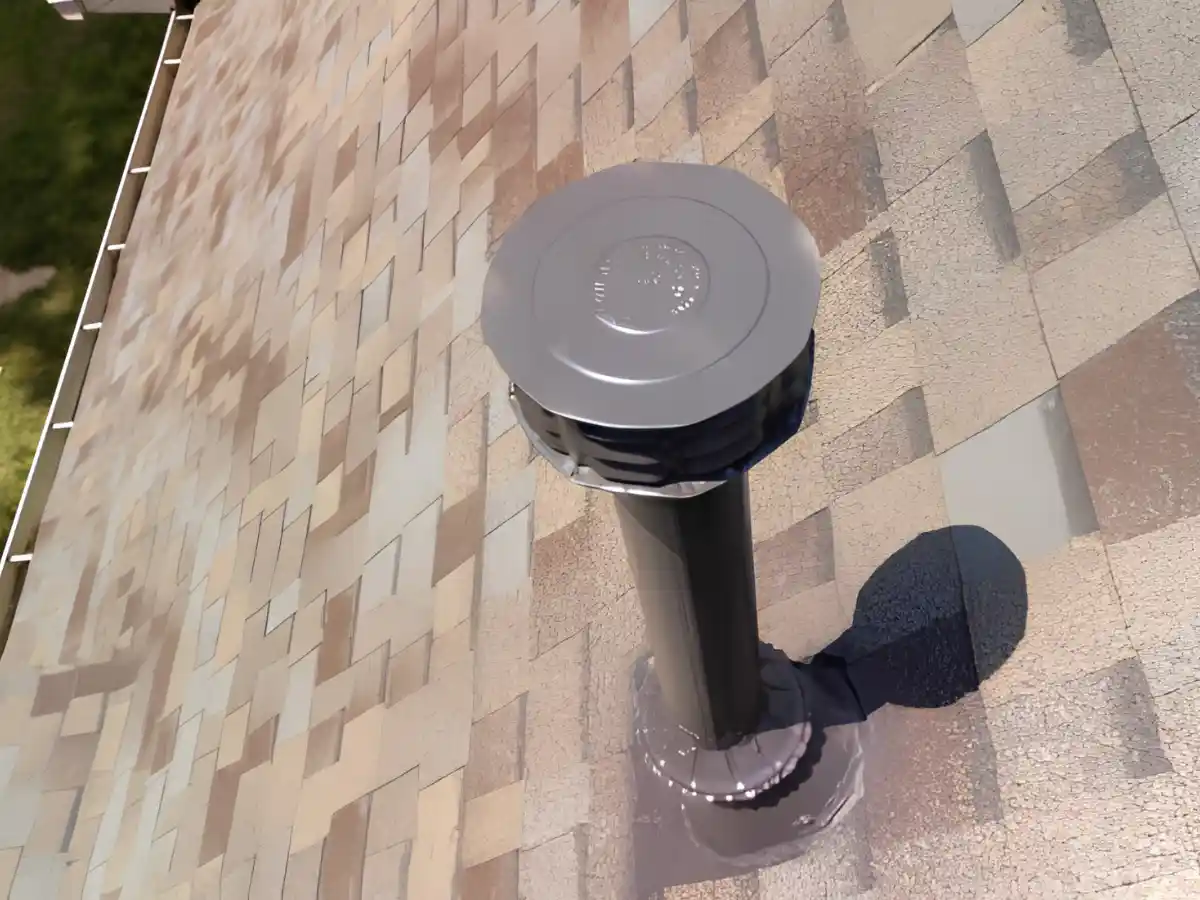
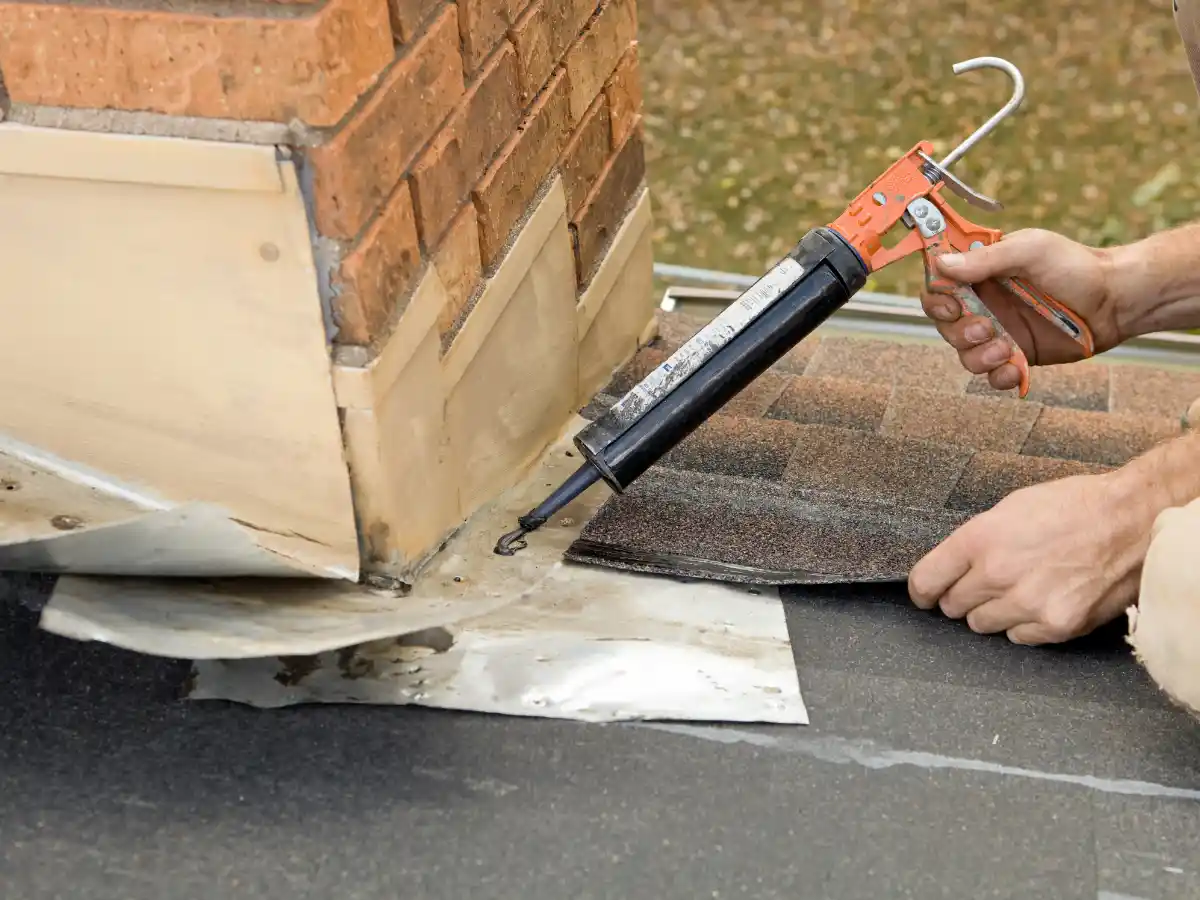
Metal flashing seals the joint between the stack and the roof. Step flashing tucks under the shingles or tile; counter flashing laps over it from the brick. Lifted edges, cracked sealant or rusted metal let water run down inside.
The crown
The concrete or mortar slab around the flue should slope and overhang so water sheds off the sides. A flat or cracked crown holds water and feeds it into the brick below.
Mortar joints and brick
Open joints and porous brick absorb rain, especially wind-driven rain on the weather side. Water then travels down through the masonry to the firebox or the attic.
Cap and chase top
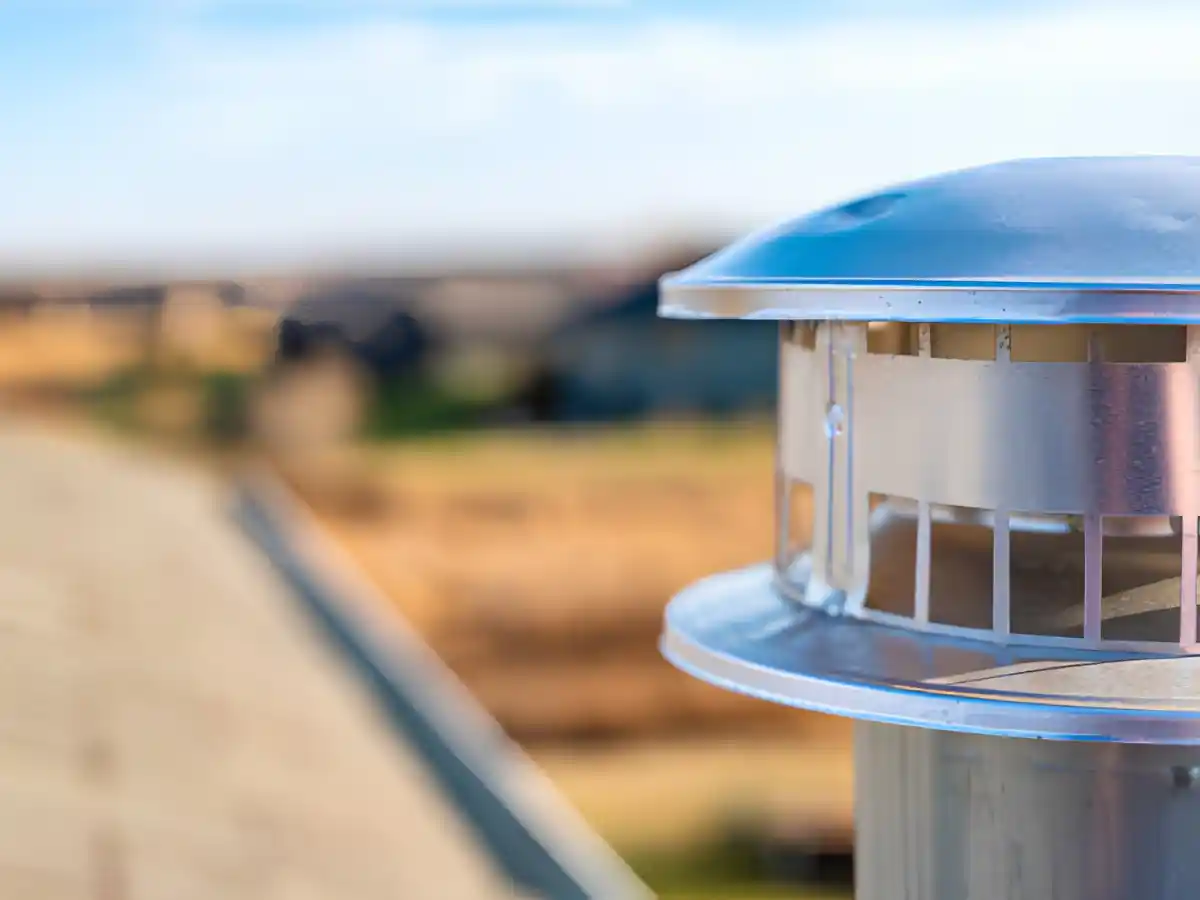
A missing cap lets rain straight down the flue. On framed chimneys, a rusted or dented metal chase top pools water and drips it into the enclosure.
The order we work in
Sealing brick over an open leak just hides the problem for a while.
Trace the leak
Stains inside are matched to the outside, and the flashing, crown, cap and joints are checked in that order.
Repair the openings
Failed flashing is resealed or replaced, crown cracks are fixed, and open joints are repointed.
Let new work cure
Fresh mortar and patches need time before any treatment goes on, so repellent may come on a later visit.
Apply a breathable repellent
A penetrating, vapor-permeable product goes onto clean, dry brick. It soaks in rather than forming a skin.
Flashing, crickets and tile roofs
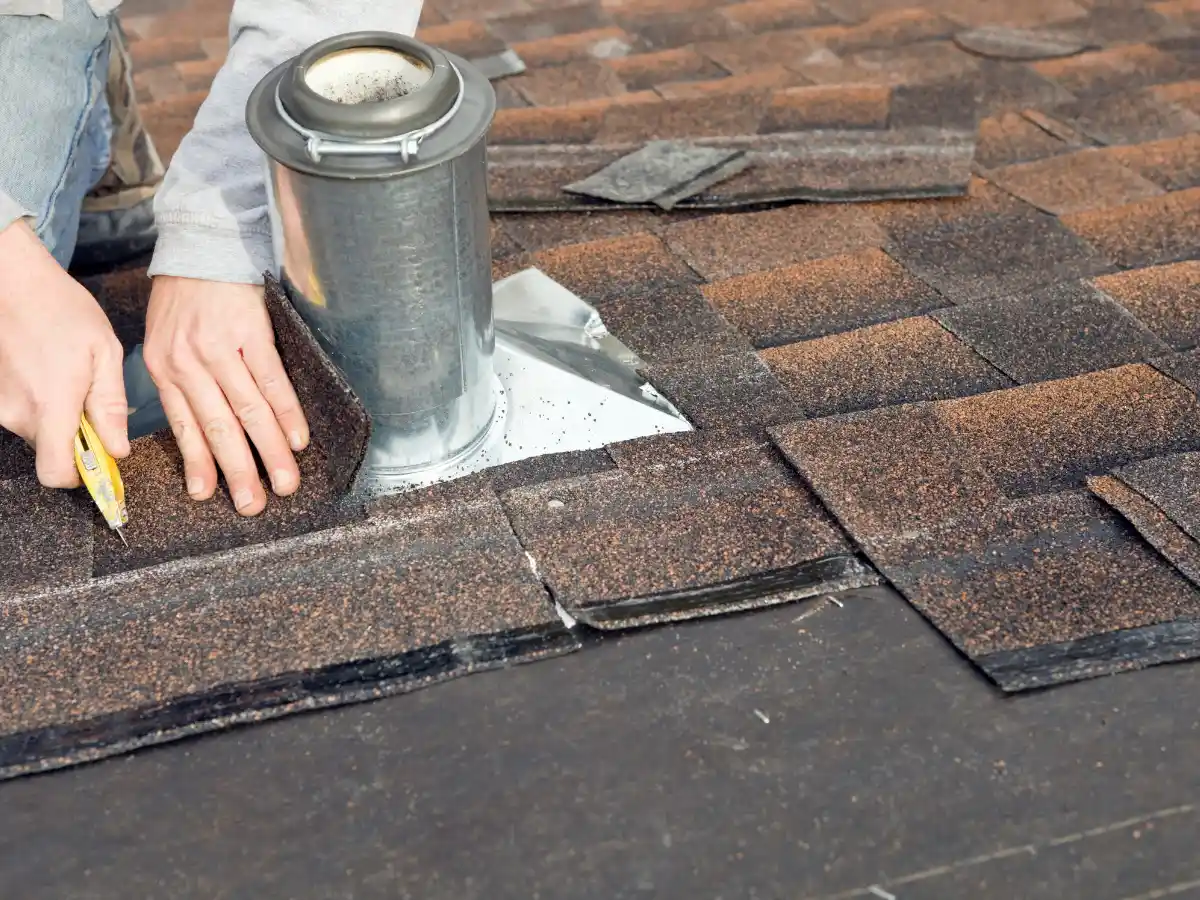
Flashing fails more often than brick does. Sealant dries out under years of sun, metal near the coast corrodes in salty air, and a roofer replacing shingles or tile may disturb the pieces around the chimney. Repair might mean resealing a counter-flashing reglet, or removing the old metal and installing new step and counter flashing as a set.
Wide chimneys bring one more detail. The California Residential Code calls for a cricket, a small peaked diverter on the uphill side, where a chimney is more than 30 inches wide and does not sit on the ridge. Without one, water and debris pile up against the back of the stack. On clay tile, flashing work also means lifting and resetting tile carefully around the chimney.
Repellent or sealer: what's the difference?
Labels in the masonry aisle can be confusing. Here is how the main product types behave on chimney brick.
| Product type | How it works | Good for chimney brick? |
|---|---|---|
| Penetrating repellent (siloxane-type) | Soaks into the brick and mortar; lets vapor escape | Yes, once repairs are done |
| Silane-type repellent | Very small molecules penetrate deep; often needs a catalyst to work on brick | Sometimes, depending on the product |
| Film-forming sealer or coating | Forms a surface skin that can trap moisture behind it | Generally not |
| Paint on exterior brick | Seals the face and holds water and salts inside | Not recommended |
| Crown sealant or crack filler | Bridges hairline cracks on the crown surface | On the crown, not the brick faces |
Safety first. Water inside a chimney does more than stain a wall. It can rust a damper, soften the mortar behind a firebox and, in older stacks, weaken masonry that also has to stand up to earthquakes. If you see dripping in the firebox or a wet ceiling beside the chimney, stop using the fireplace and keep the area dry until the leak is found.
Why call us for a leaking chimney
Fix the source, then treat
We point to the flashing, crown or joint that's letting water in before any repellent comes out of the truck, and you choose what gets done.
Long hours, six days
Leaks often show up on a stormy evening. Phones are picked up from 6 AM until 10 PM, every day except Saturday.
Room and roof protected
Drop cloths cover the hearth area inside, and the tech vacuums up before leaving. Tile around the stack is handled with care.