Laguna NiguelSouth Orange County
24050 Aliso Creek Rd #150
Laguna Niguel, CA 92677
Sun–Fri: 6:00 AM – 10:00 PM
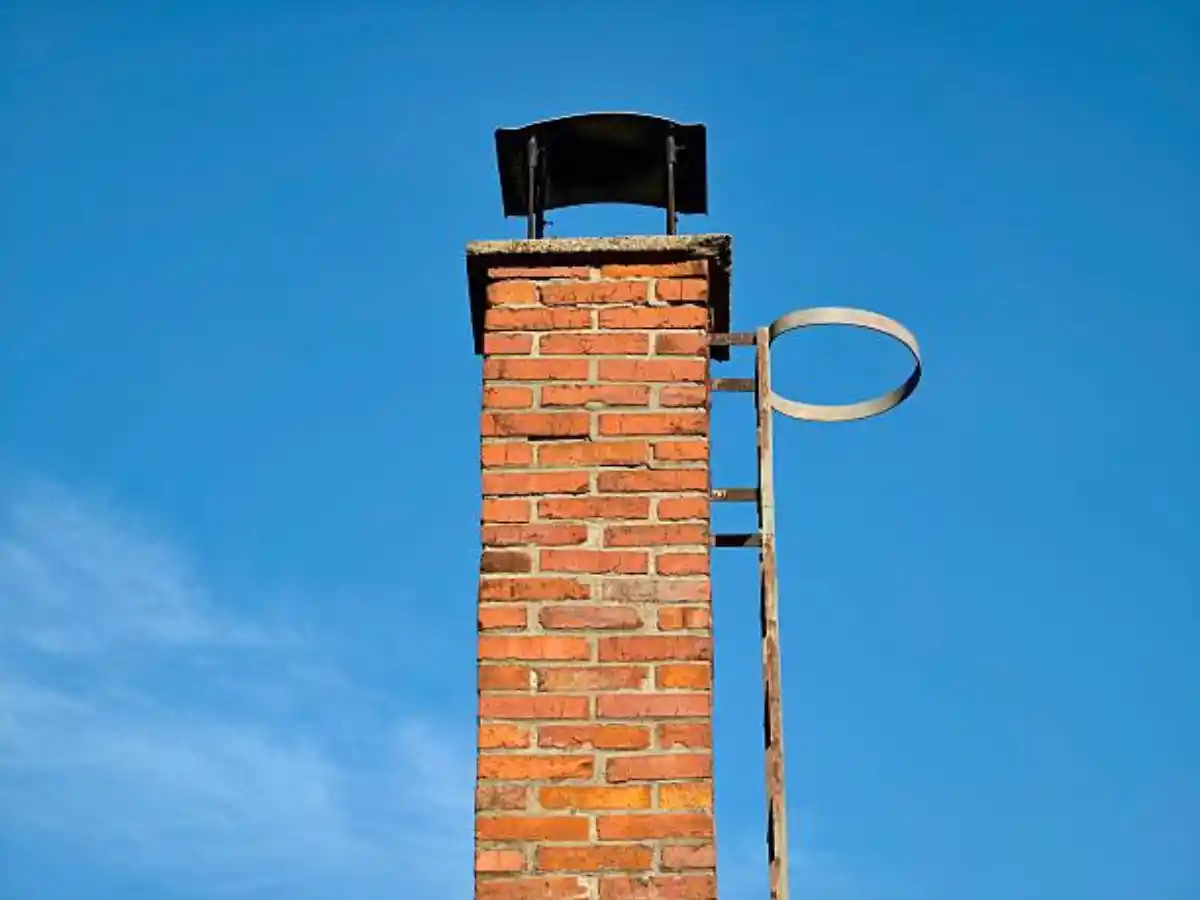
In 1812 an earthquake brought down the stone church at the Mission here. Masonry and ground movement are still the story for local chimneys, from the old Los Rios streets to hillside homes, and we check for both on every visit.
Customer reviews
Reviews for California Chimney Service are collected on Google.
Reviews are posted by customers on our Google listing, so you can read them where they were written.
See Google reviewsWhat we do
Inspections after ground movement, crown and masonry repair, and caps for homes near open hillsides and creek corridors are the jobs that come up most in this valley. Sweeps for wood-burning fireplaces round it out.
 Most booked
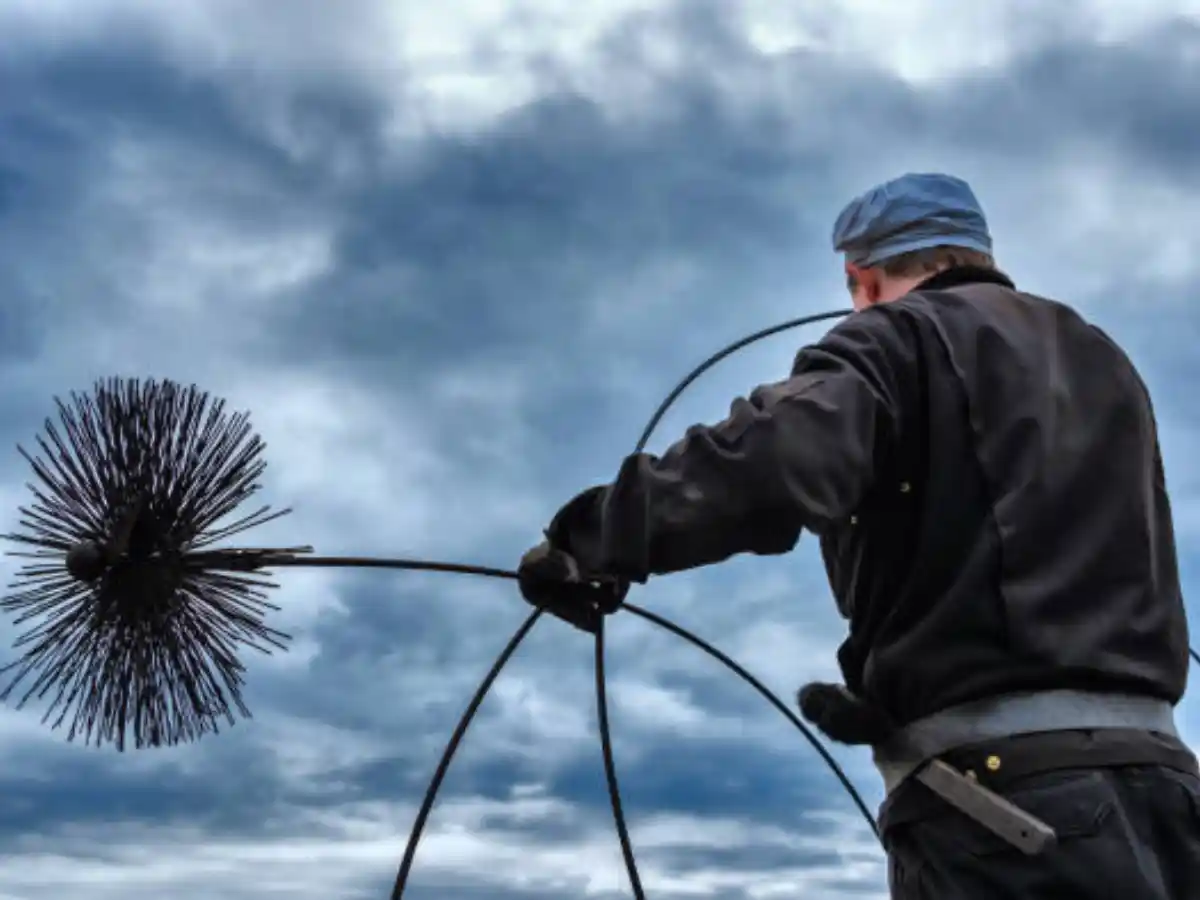
Lit the fireplace a handful of times since the last cleaning? A sweep is the place to start.
Learn more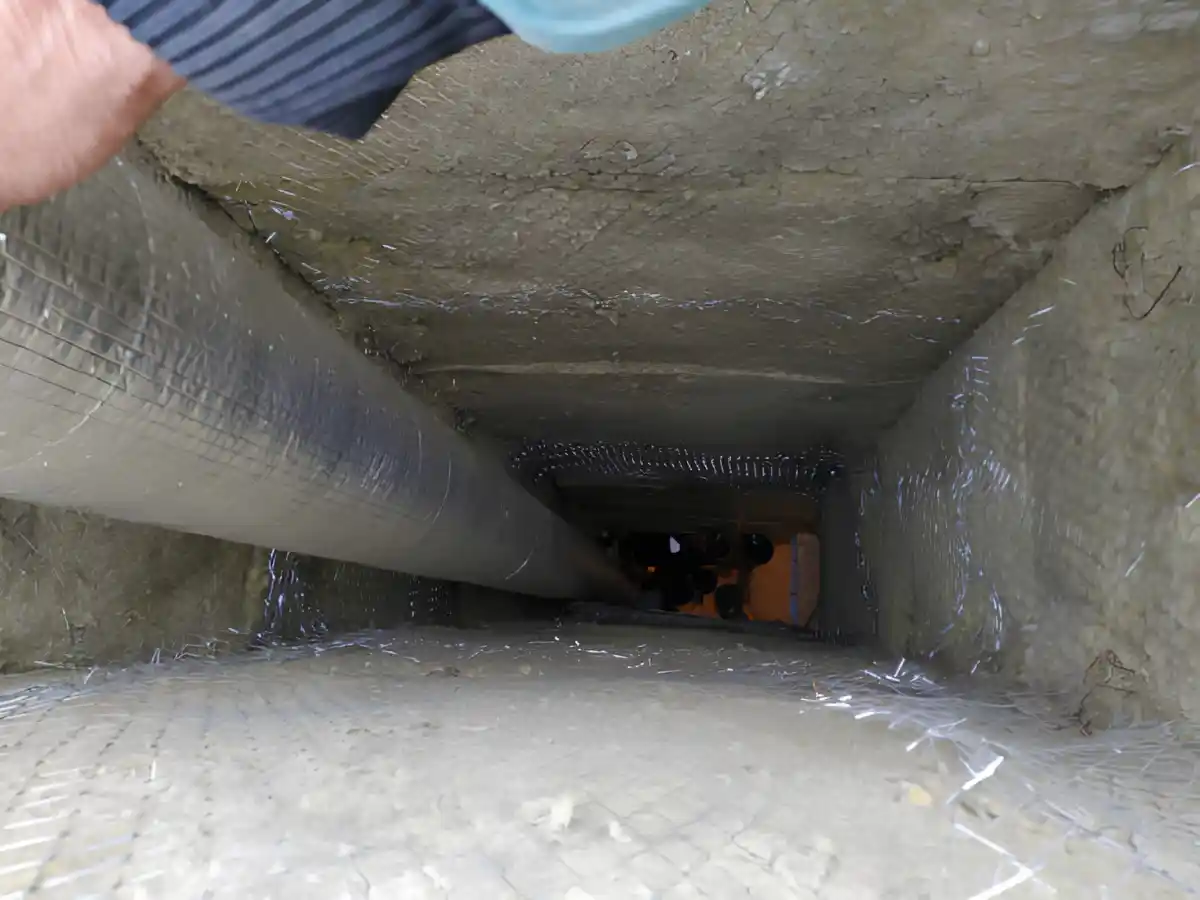
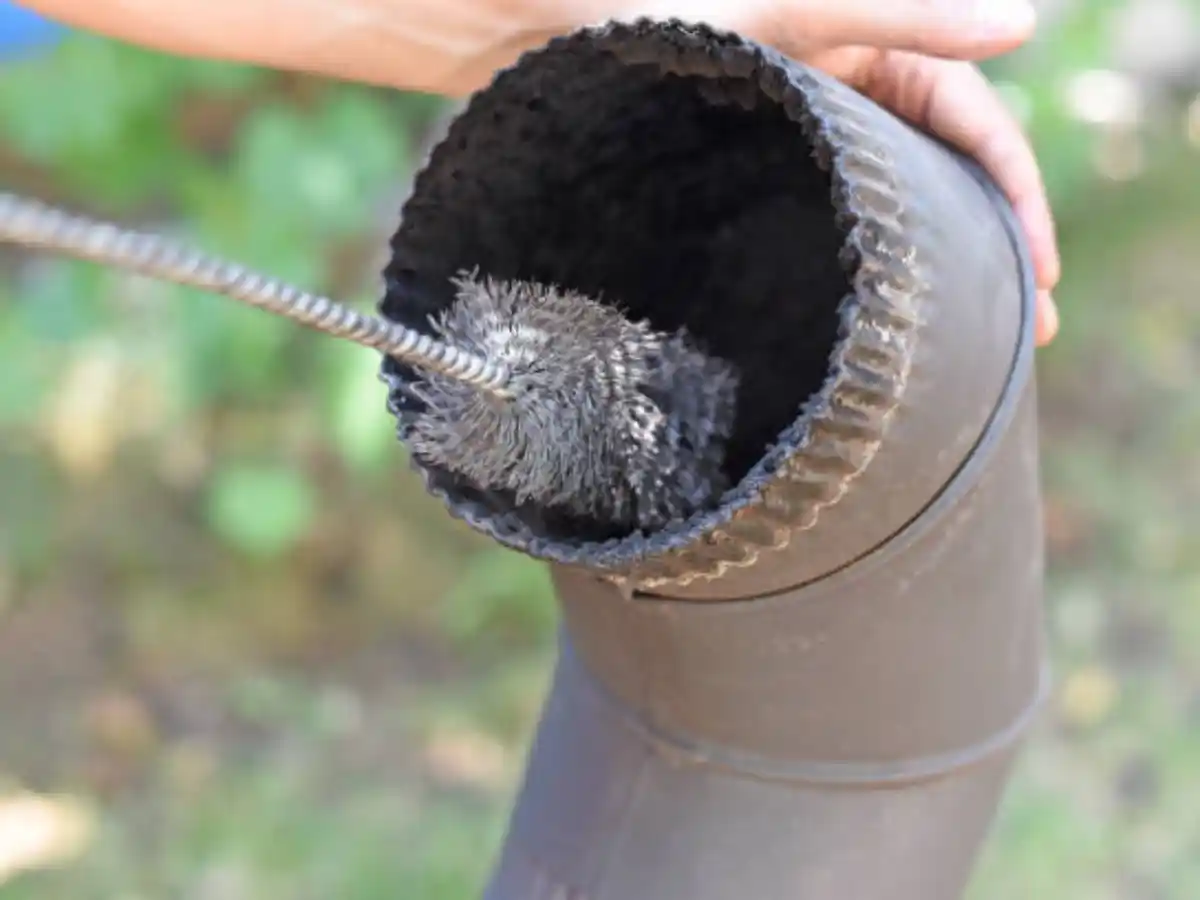
Buying a house, after a quake, or simply unsure: an inspection tells you where things stand.
Learn more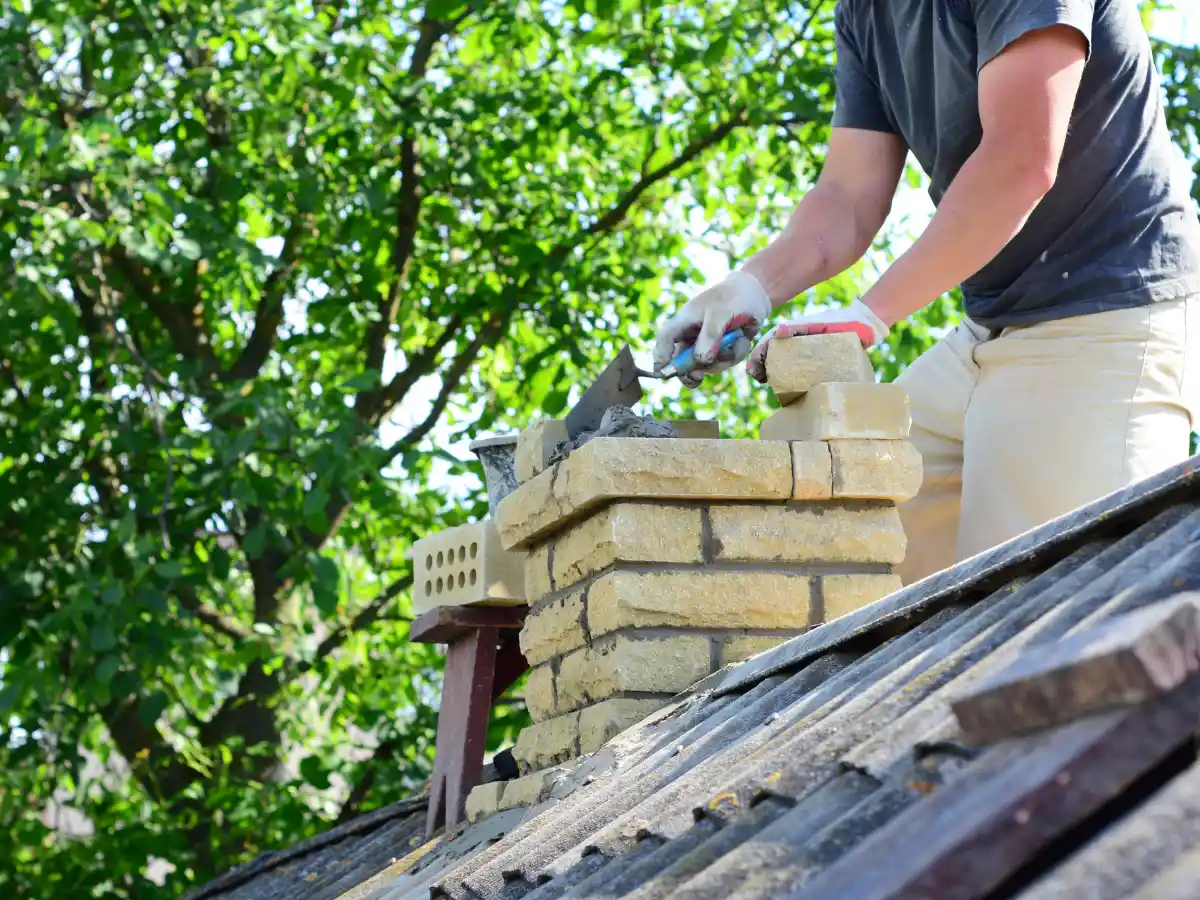
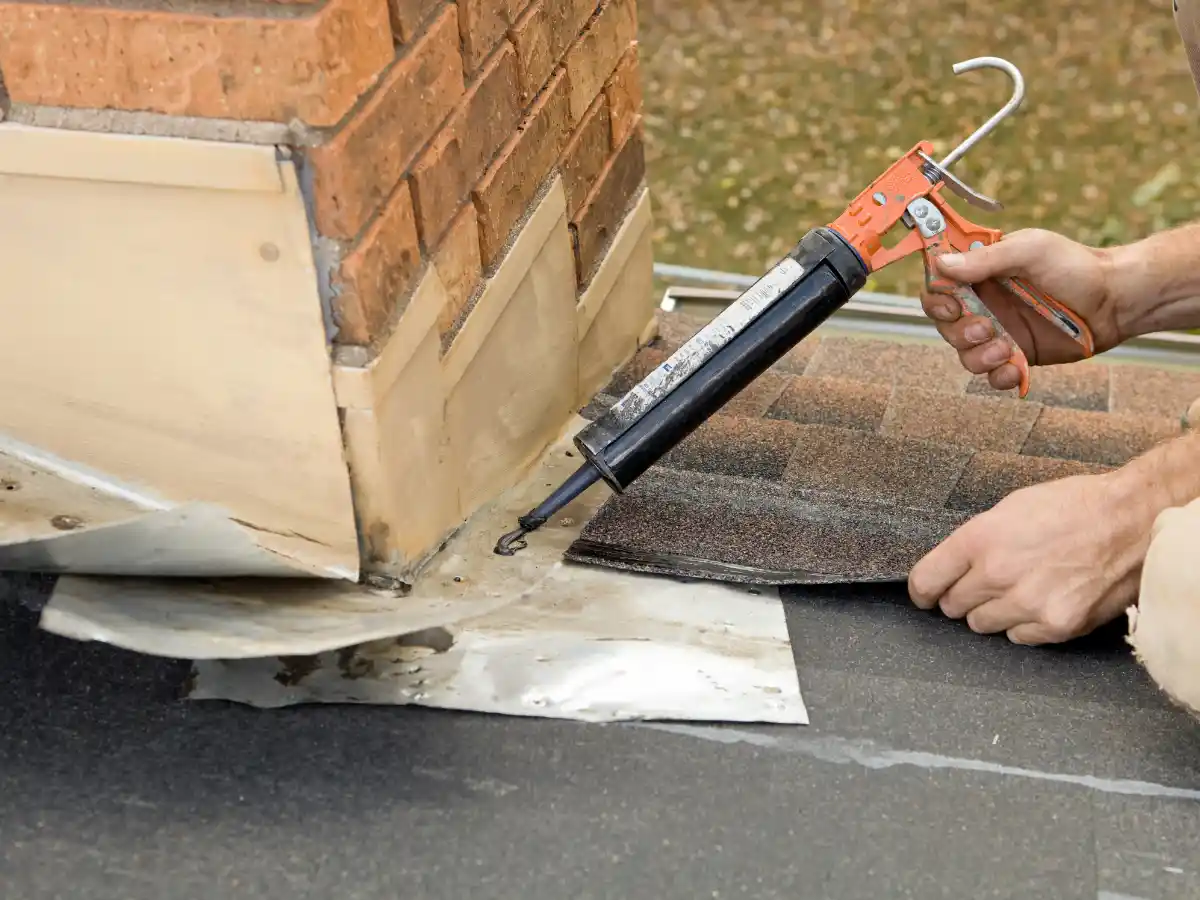
Water stains, cracked brick or pieces on the roof. We find the source before fixing anything.
Learn more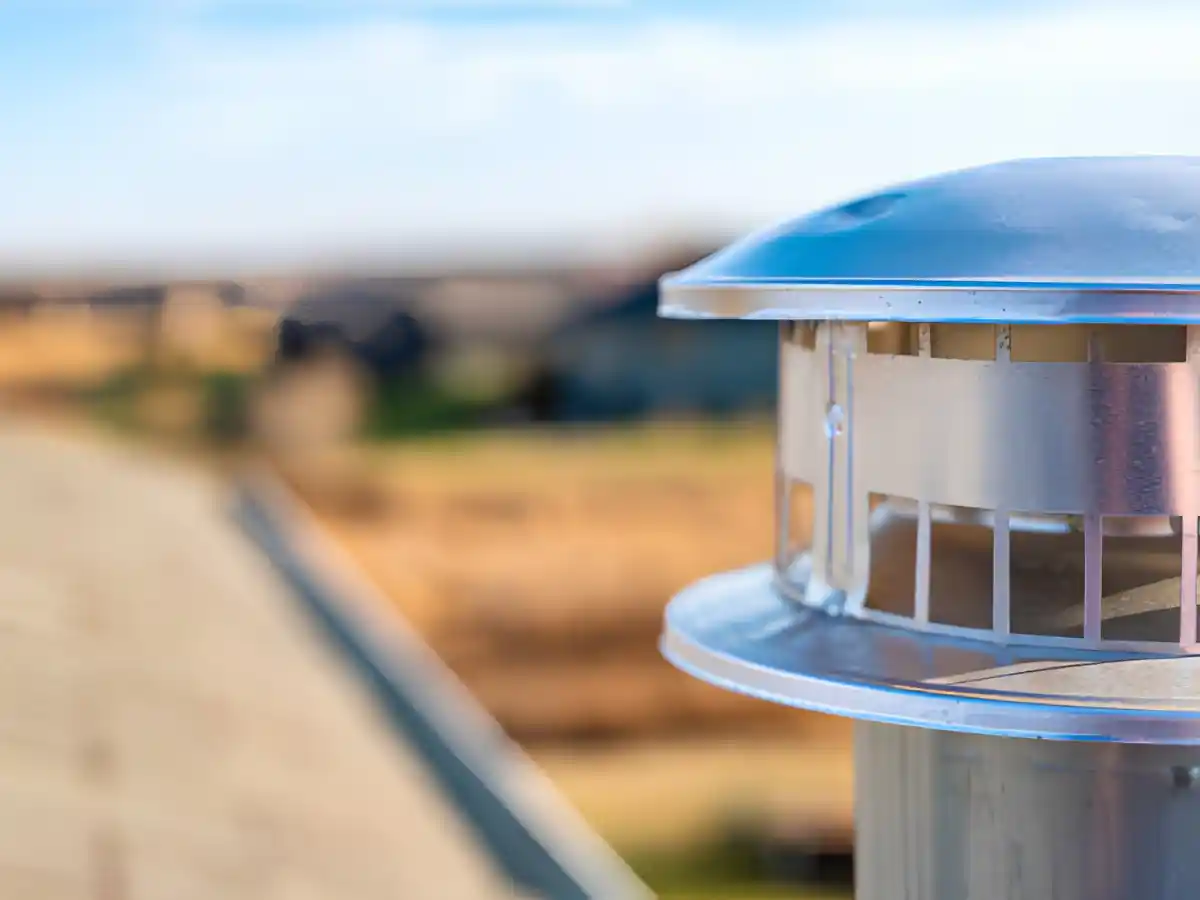
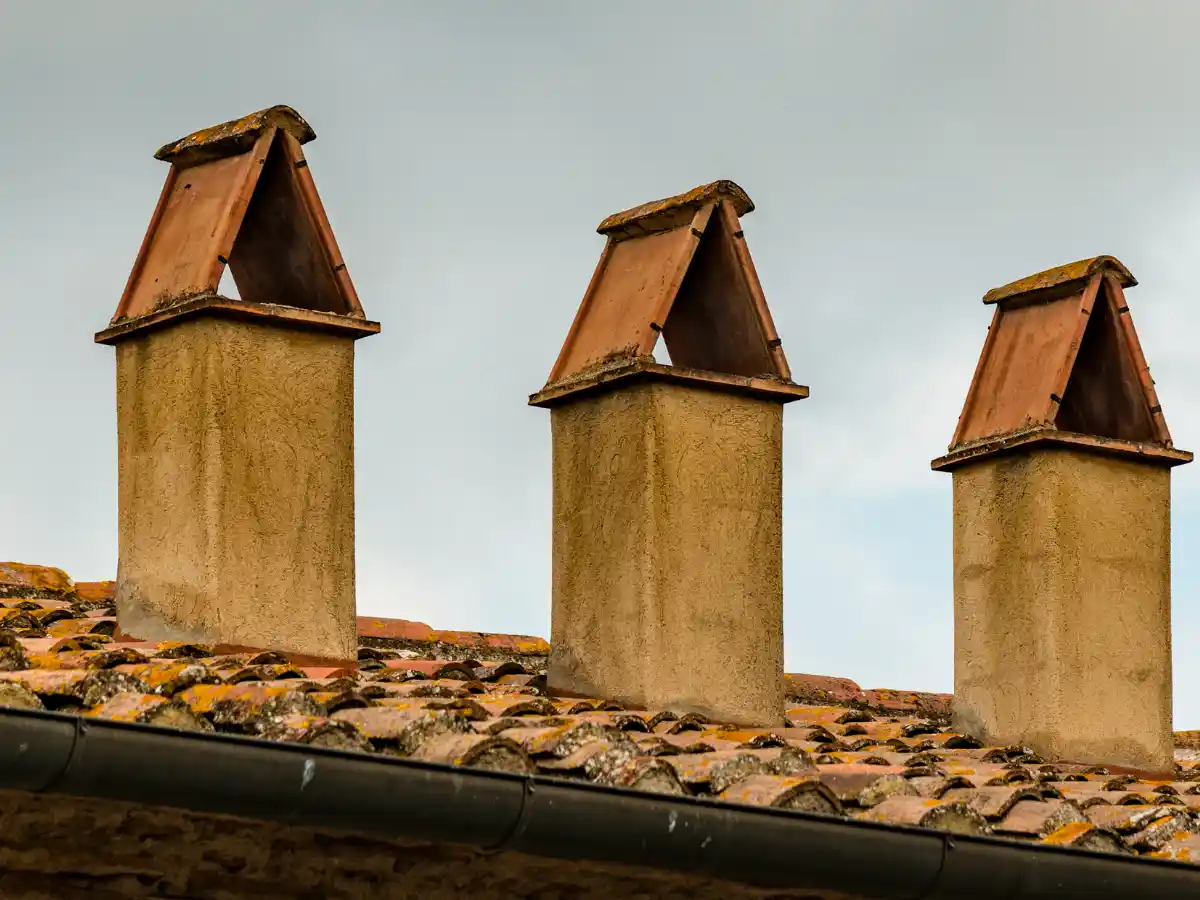
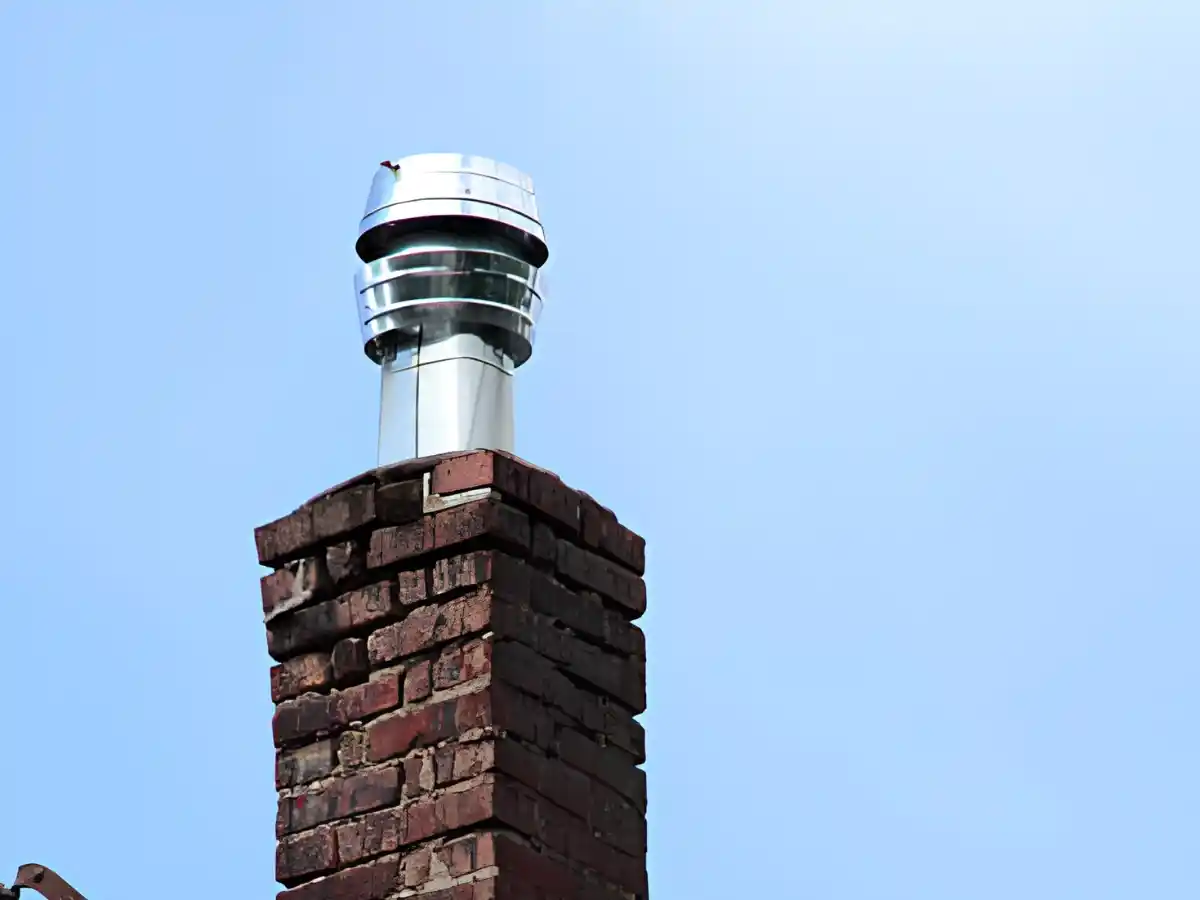
Open flue or a rusted screen? A new cap and arrestor closes the gap to rain and embers.
Learn more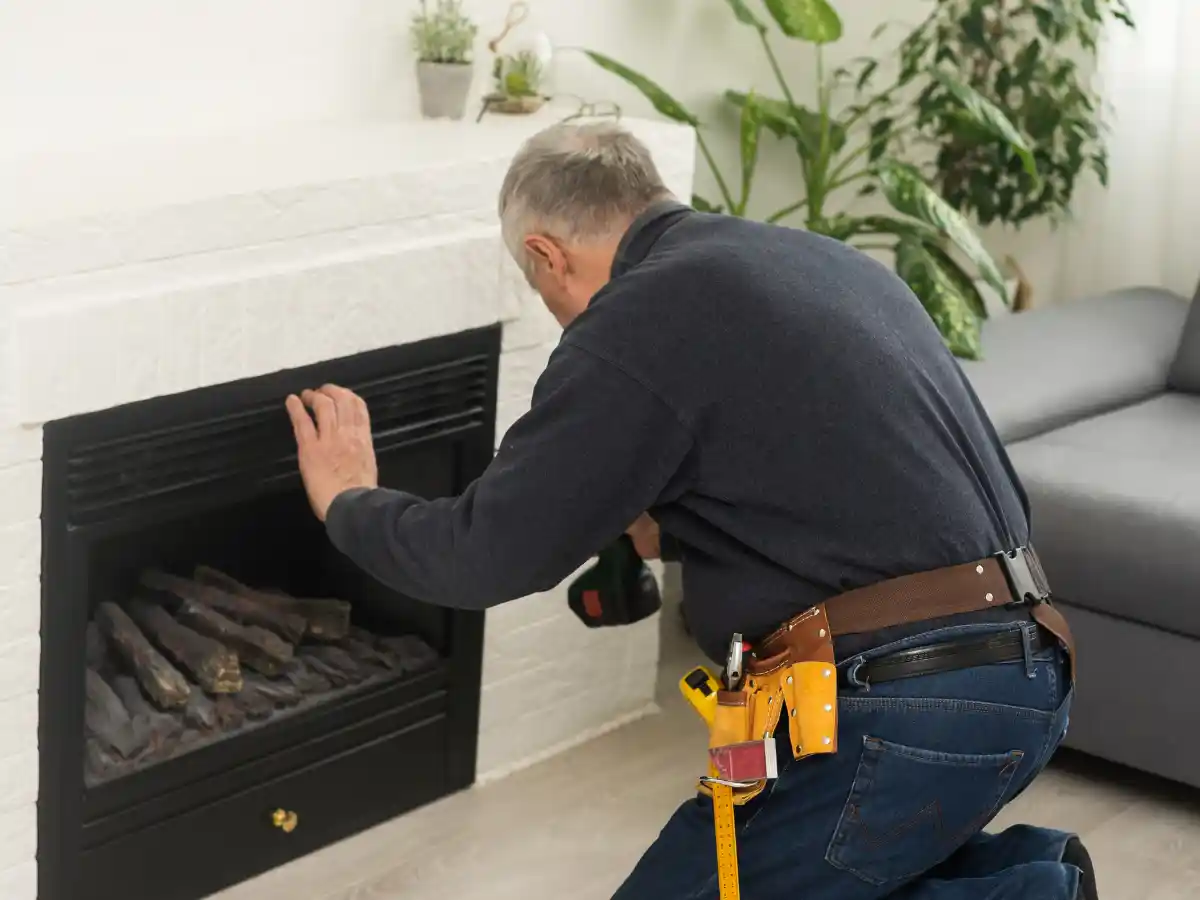
Gas logs that won't light right, a damper that sticks, or panels cracked from heat.
Learn more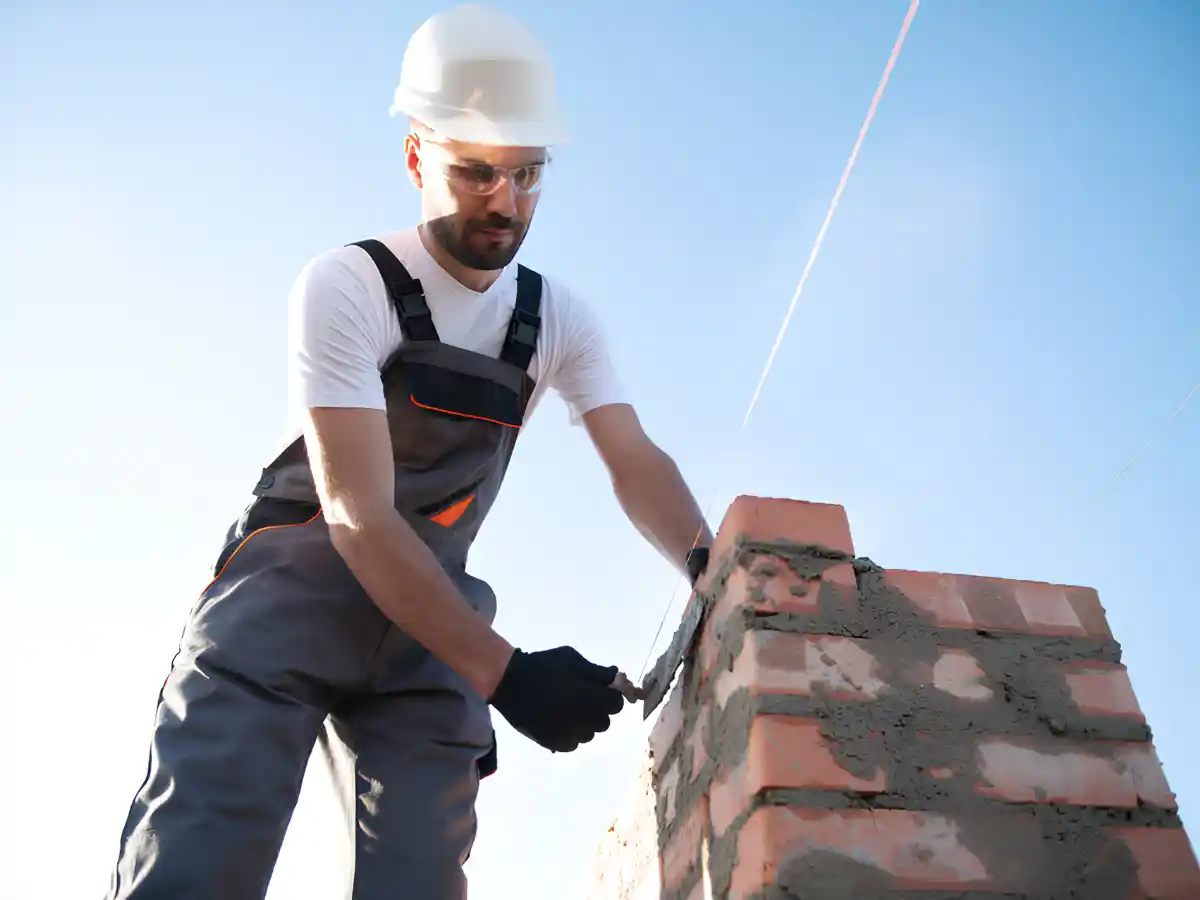
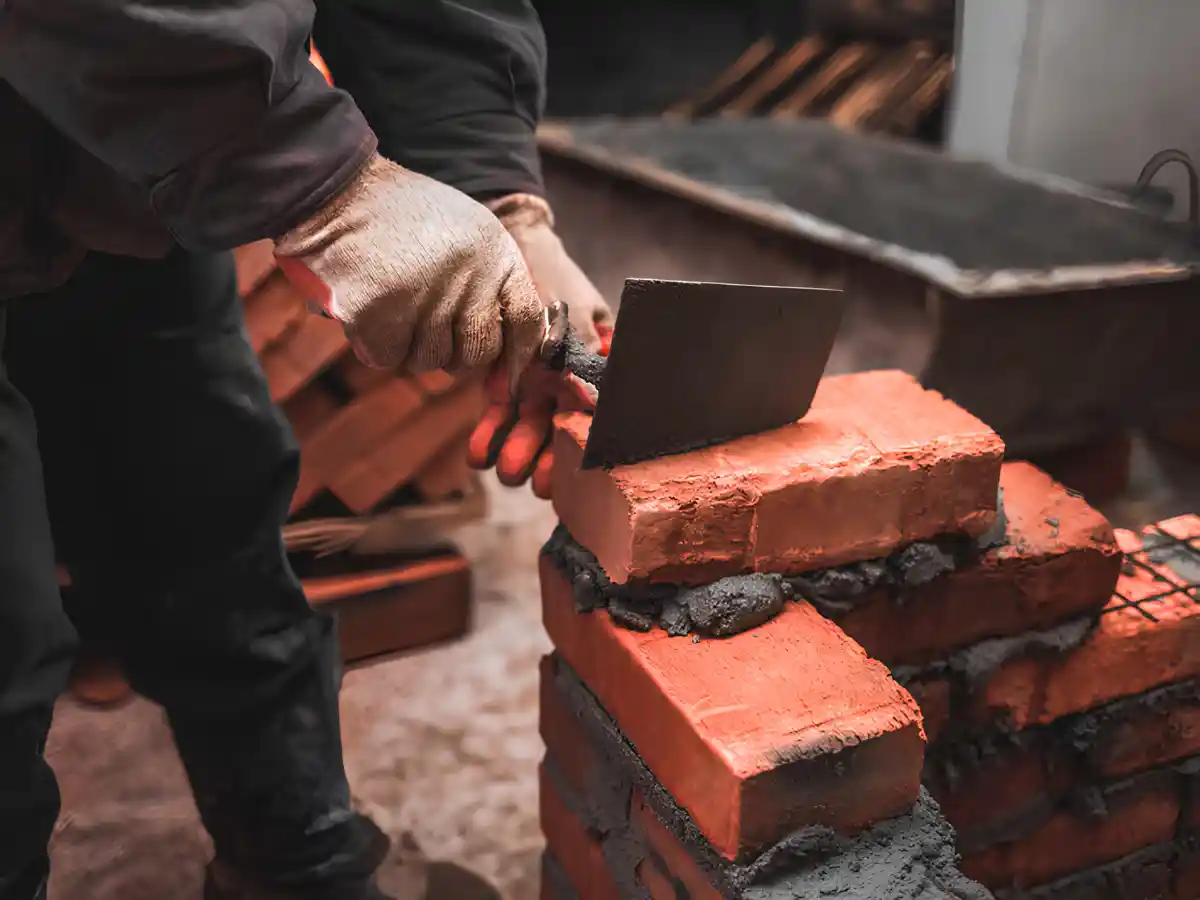
Hairline cracks at the top let the winter rain straight into the brick below.
Learn moreCurrent savings
Tap an offer to request it, then mention it when you book. View all offers and terms
Homeowners 65+, up to $50
Active duty and veterans
Fire, police and EMS
First chimney cleaning of $125+
One offer per visit. Mention it when you book.
Seismic reality
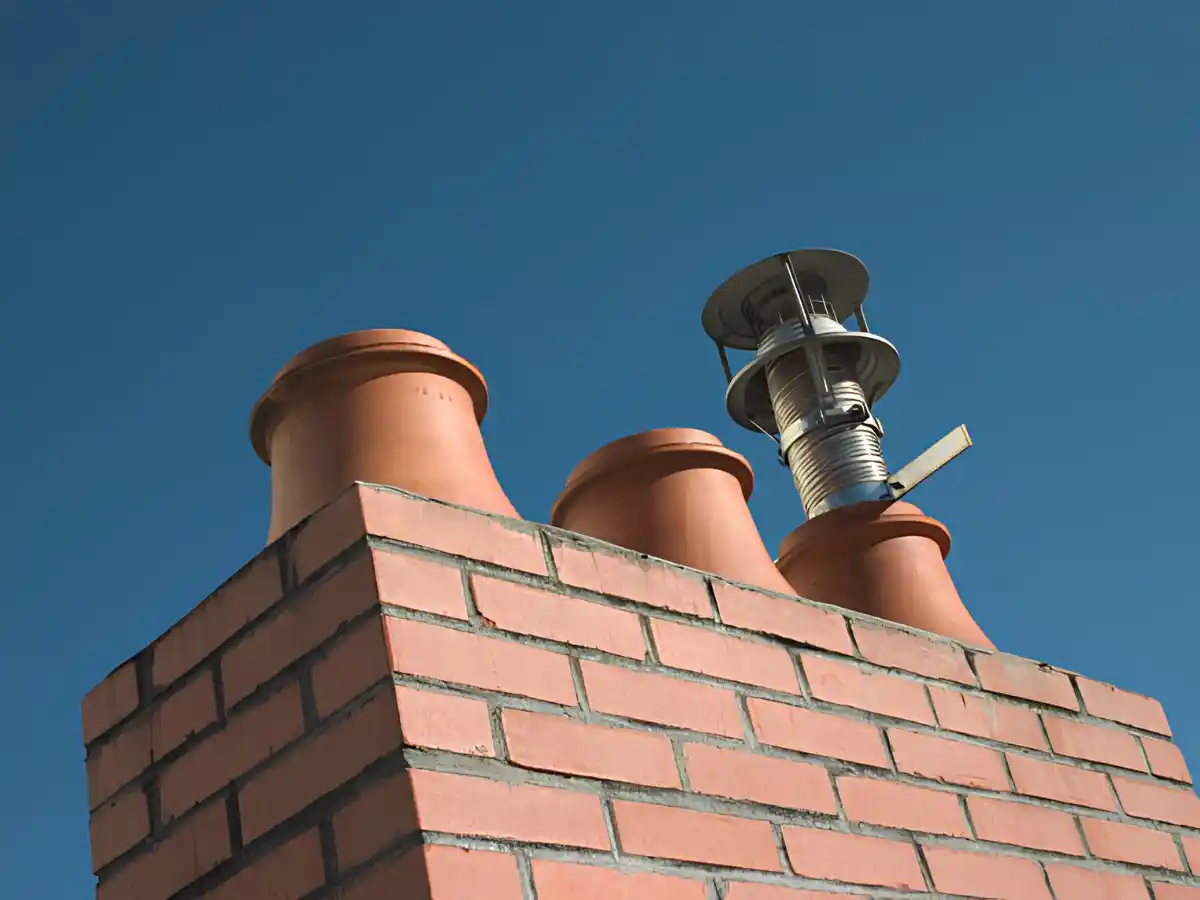
What happens to a brick chimney when the ground shakes? It's tall, heavy and only tied to the house at a few points, so it tends to crack where it changes stiffness: at the roofline, where the stack leaves the attic, and at the smoke chamber just above the firebox. A small quake can open hairline cracks in flue tiles without leaving any mark you'd see from the yard. Through those openings, hot flue gases can get to nearby rafters and studs, which is why a camera check matters after any noticeable shaking.
Guidance built on NFPA 211 recommends a Level 2 inspection after a seismic event, and that's the visit we'd suggest if you felt one and haven't had the flue looked at since. The tech runs a camera from the firebox to the top, checks the crown and the brick at the roof, and looks for gaps between the chimney and the wall. If tiles have broken, a stainless flue liner is one way to restore a safe path for smoke without rebuilding the stack.
Book a visit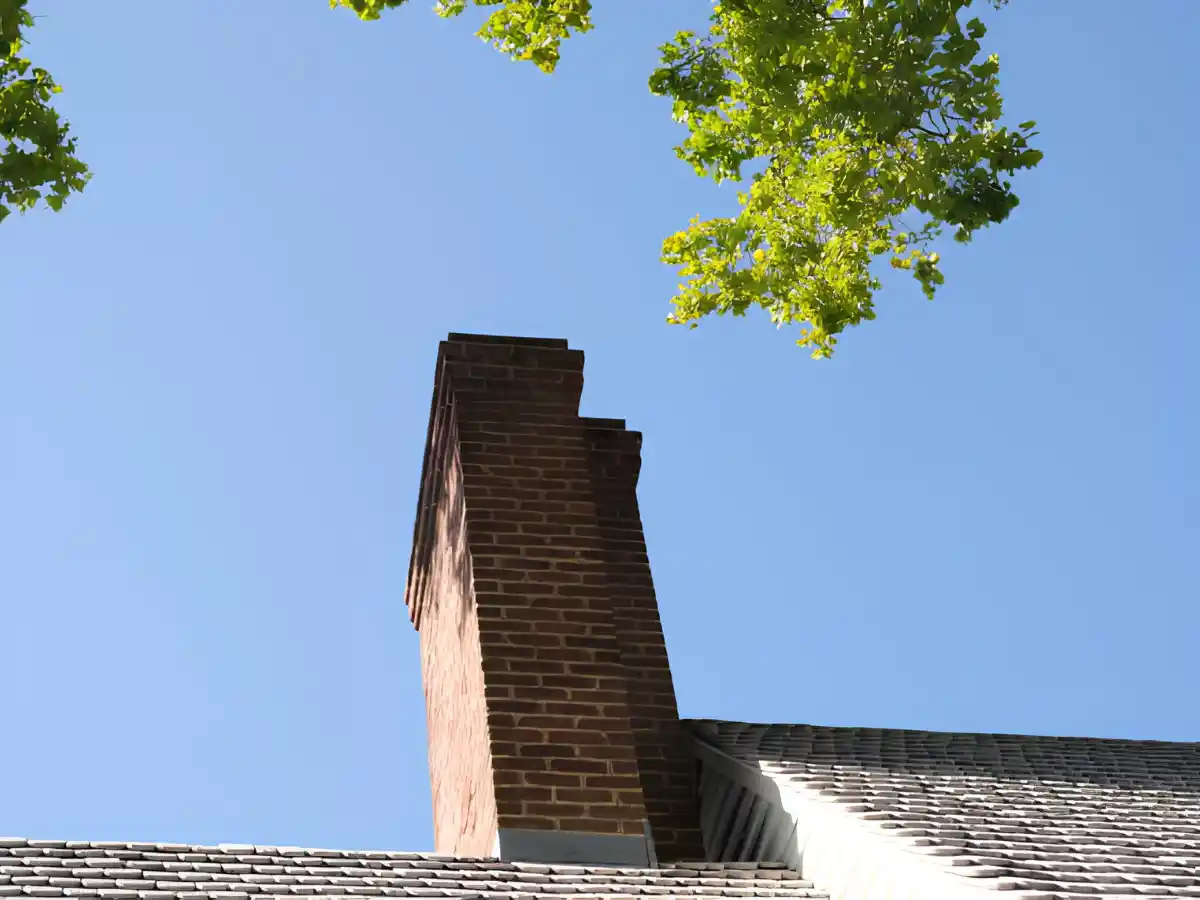
How we handle it
Damage from movement can range from a cosmetic crack to a stack that shouldn't be used. You'll get the difference spelled out, with footage from the flue and photos from the roof. The room stays protected with drop cloths and a running vacuum. Then you choose: repair now, plan it for later, or simply keep the report on file.
How it works
Say what you've noticed and what kind of fireplace you have. Gas or wood changes what we bring.
Firebox, flue, roof and crown are checked in order, and whatever turns up is walked through with you in plain terms.
Some visits end with a sweep. Others need a cap, a crown or masonry. Nothing extra starts until you say yes.
History and weather
The Los Rios Historic District is often called the oldest residential neighborhood in California. It began with about 40 adobes near the Mission; most were replaced in the 1800s with wooden board-and-batten houses, and 31 buildings on and around Los Rios Street went on the National Register of Historic Places in 1983. Fireplaces in homes like these were built long before modern codes. Many have no liner at all, so any repair here aims to keep the original character while making the flue safe to use.
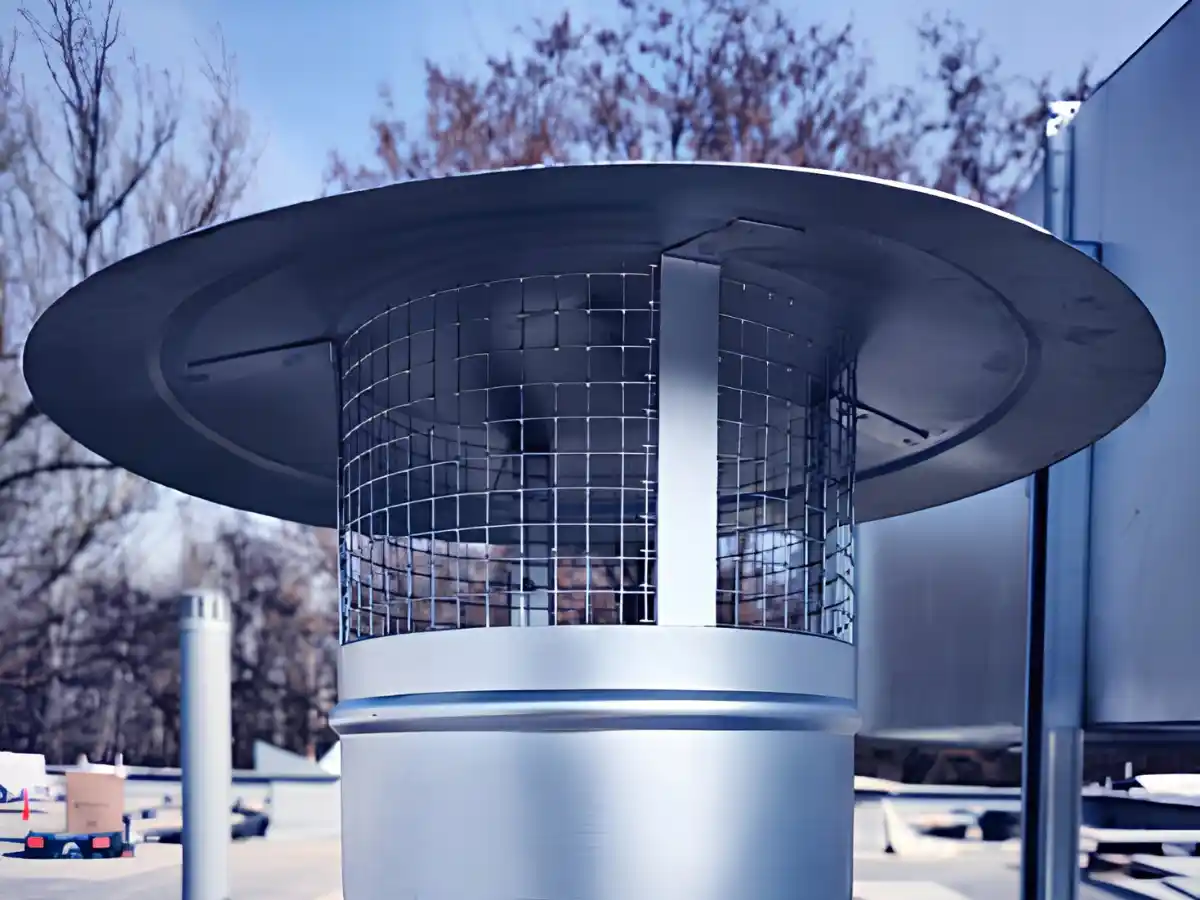
The city sits a few miles inland along San Juan Creek, where Arroyo Trabuco joins it on the way to the ocean at Doheny State Beach. Rain averages about 13.6 inches a year, with January and February the wettest months. Open hillsides and creek corridors carry dry brush through summer and fall, so a cap with spark arrestor mesh earns its place on wood-burning chimneys. Before the rains, a cracked crown is the part to fix first.
Where we go
We serve the Los Rios District and the streets around the Mission downtown, homes along San Juan Creek and the Ortega Highway side of town, and the hillside neighborhoods above the valley, plus neighboring Dana Point, Laguna Niguel and Mission Viejo.
5 listed service areas. marks a shop location. Call to confirm availability for your address.
That town isn't on the list. Call (949) 353-6287 to check.
24050 Aliso Creek Rd #150
Laguna Niguel, CA 92677
Sun–Fri: 6:00 AM – 10:00 PM
Photos
Common calls
FAQ
Short answers to what people ask most. More are on the full FAQ page.
Look for new cracks in the brick near the roof, daylight showing where the stack meets the siding, or bits of mortar and tile sitting in the firebox. Some damage leaves no outside sign at all, though, especially cracked flue tiles. A camera inspection is the reliable check. Until then, it's sensible not to light a fire in a chimney you suspect has moved.
Often, yes. Much of the work on historic fireplaces happens out of sight: a liner inside the flue, repointing with a mortar suited to the old brick, a new damper or a cap that's low profile. The tech explains which options keep the original appearance, and you decide how far to go. Any firebox repair is matched to the existing materials.
Yes. Gas logs still send exhaust up the flue, so the flue has to be open and intact. The damper should be clamped open where the log set requires it, and the cap must be clear of nests. Cracked tiles from past movement matter for gas too, because exhaust can leak through them into the walls.
NFPA 211 recommends once a year. With occasional fires, the flue may not need sweeping at all, but a yearly look catches cracked tiles, a loose cap, nests and rain damage early, which matters in a seismically active valley. If everything checks out, you're told so.
Our offices handle phones and scheduling, so it's easiest to call Sunday through Friday between 6 AM and 10 PM. Describe what you're seeing, and we'll book a time for a tech to come to the house and look at the fireplace and chimney in person.
Call while we're open or send the form, and we'll set up a time that suits you.