Rebuild options
When a chimney rebuild is the right call
- Damage mapped course by course
- Rebuild options compared
- Your decision, your timing
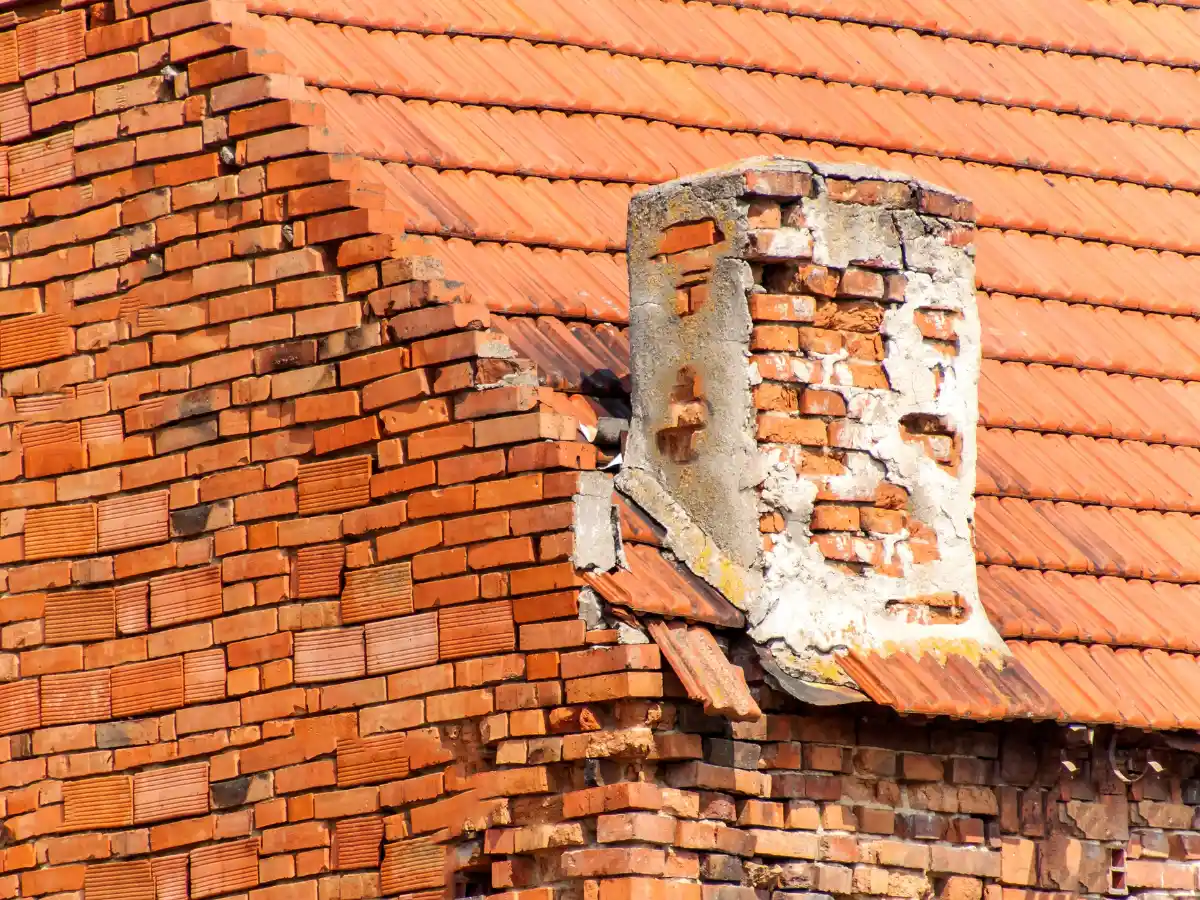
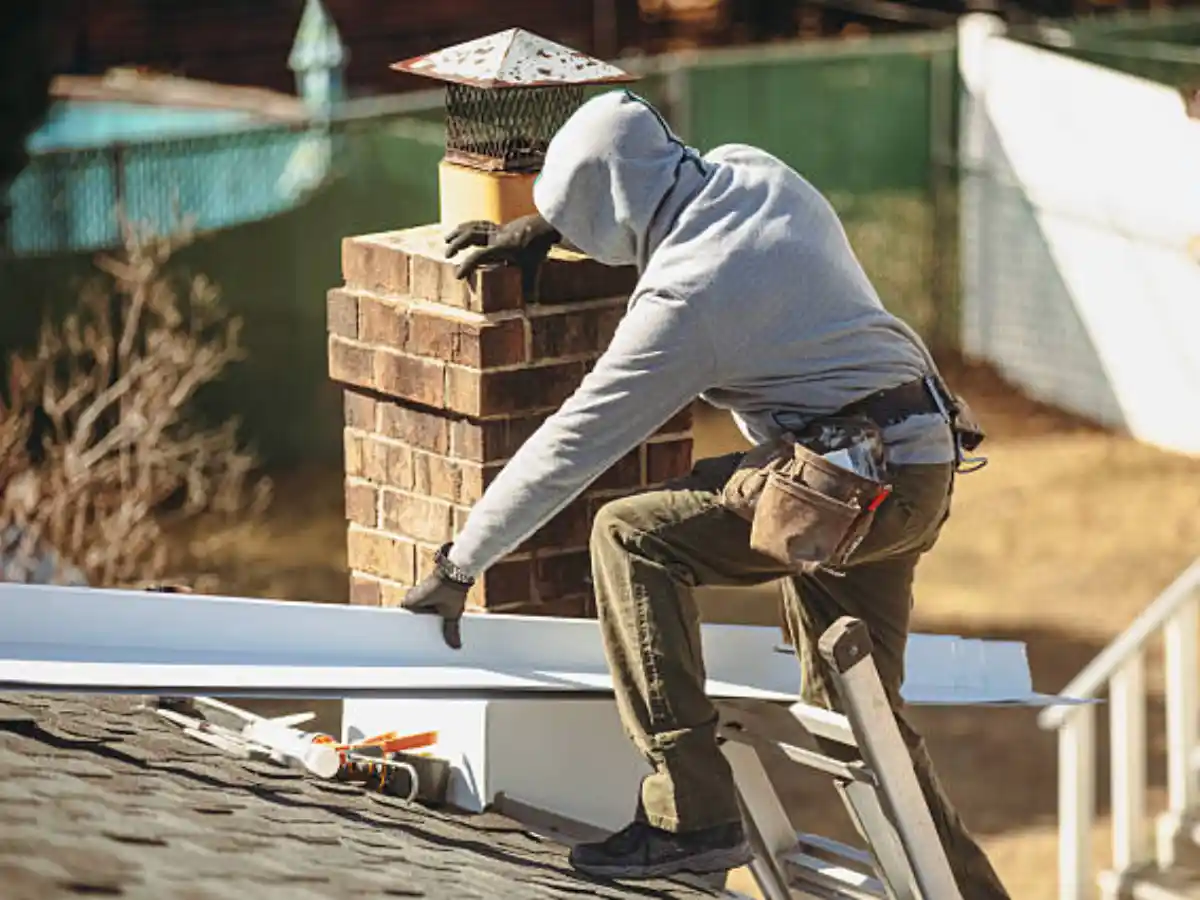
Federal earthquake guidance is blunt about brick chimneys: the part above the roof is the most vulnerable, and old unreinforced stacks with weak mortar fail most often. A chimney rebuild replaces that damaged section, or the full stack, instead of patching joints that no longer hold. Sometimes masonry repair is still enough, and the tech will tell you if so.
Plenty of Southern California homes still have the original brick chimney they were built with, and quakes, settling and decades of rain-season soaking have loosened many of them. A rebuild is also a chance to rethink the flue. Some owners keep the masonry look; others switch to a lighter framed chase with a metal flue and keep using the fireplace.
Stack cracked or leaning?
Someone picks up from early morning until ten at night, Sunday through Friday. Describe the cracks and we'll set a visit.
Why quakes hit chimneys first
A brick chimney is heavy, tall and stiff, and the house around it moves differently in shaking. The weak point is usually where the stack leaves the roof: below it, the framing gives some support; above it, the masonry is on its own. In a FEMA advisory written after the 2014 South Napa earthquake, field teams reported more than 100 damaged brick chimneys and noted that even previously rebuilt ones collapsed.
That same guidance points out that rebuilding in kind, brick for brick without reinforcement, does little to reduce future risk. Tall, slender stacks with soft, crumbling mortar are the ones most likely to come down. For current construction, the California Residential Code calls for masonry chimneys in Seismic Design Categories C and D to be reinforced with steel and anchored to the framing.
Safety first. After any noticeable earthquake, look at the chimney from the ground before lighting a fire. Cracks at the roofline, a gap where the stack meets the house, or brick on the roof mean stop using the fireplace. Keep everyone, the dog and the car clear of where loose brick could land, and don't climb up to inspect a damaged stack yourself.
Common rebuild options
These follow the approaches FEMA describes for damaged chimneys on one- and two-family homes.
| Option | What happens | Fireplace after |
|---|---|---|
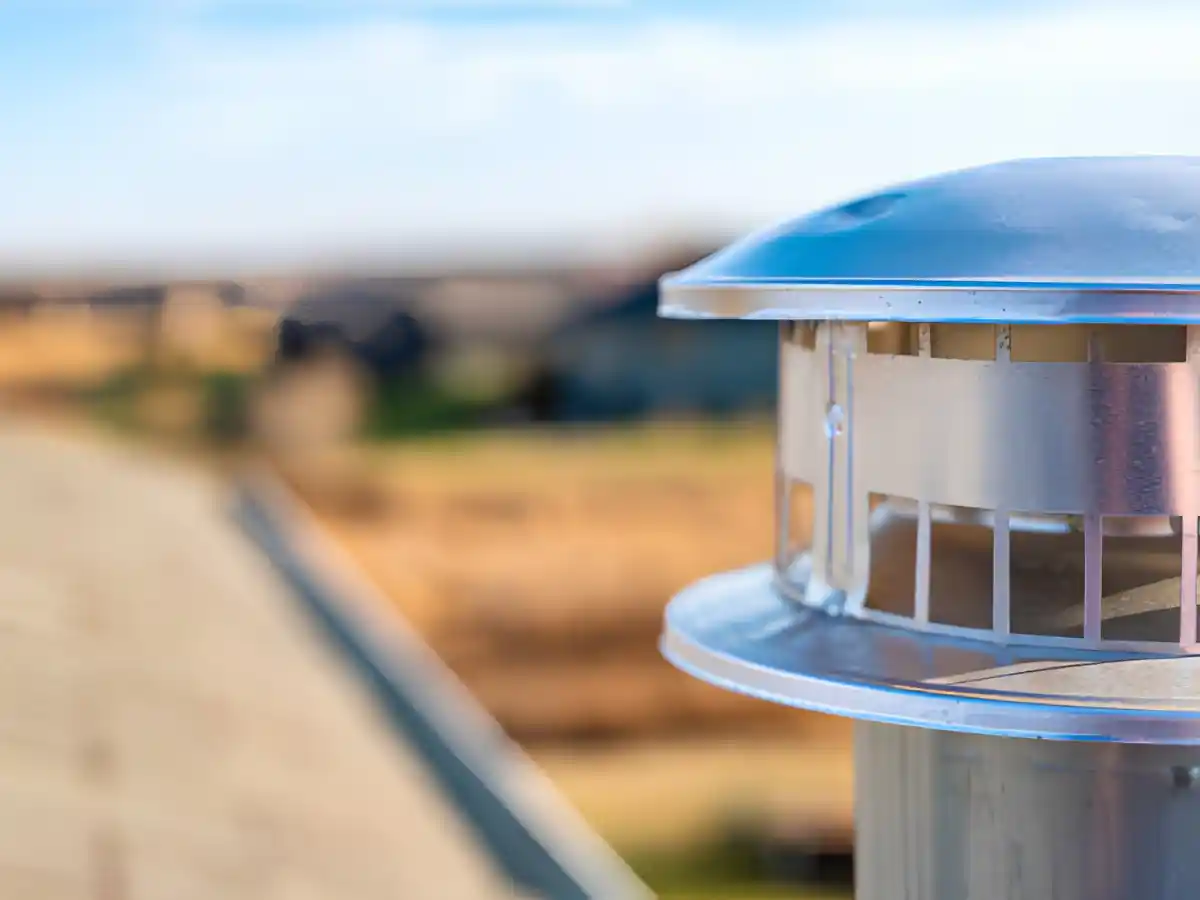
| Remove and cap at the roof | Stack taken down to just above the roofline and covered with a sheet-metal cap | No longer usable |
| Rebuild above the firebox in a framed chase | Sound firebox kept; listed metal flue runs inside a lightweight steel-stud chase | Usable |
| Framed chase plus a fireplace insert | Same lightweight chase, with a factory-built insert set into the old firebox | Usable, as an insert |
| Full replacement | Firebox and chimney replaced with factory-built units in a light-frame enclosure | Usable, new unit |
| Reinforced masonry rebuild | Stack rebuilt in brick with steel reinforcement and anchorage to the framing | Usable |
What a rebuild involves
Most rebuilds follow four stages, with a pause for your approval after the first.
Map the damage
The tech checks where sound brick starts, the condition of the firebox and smoke chamber, and how the chimney is tied to the house.
Choose a direction
You get photos and a plain explanation of each option above that fits your chimney, including what each means for using the fireplace.
Permit and teardown
A building permit is generally required before work starts. Loose masonry is taken down by hand and lowered, not dropped.
Build and close up
New flue, chase or reinforced brick goes up, followed by a cap, crown or chase top and new flashing at the roof.
Signs a repair won't be enough
- The top of the stack leans or twistsThe mortar bond has failed through several courses. Repointing cannot pull it back into line.
- A crack runs all the way through at the rooflineClassic shaking damage. The upper section is sitting on, not attached to, the lower one.
- The chimney is pulling away from the wallTies or footing may have failed. The structure below the roof needs a look too.
- Mortar crumbles deep into the jointsIf a screwdriver sinks in easily across many courses, the masonry has little strength left.
What shapes the scope
No price list here, just the things that make one rebuild bigger than another.
How far down the damage goes
A rebuild from the roofline up is a different job from one that reaches the firebox shoulder or below. The deeper the cracking, the more comes down.
Masonry or framed chase
Reinforced brick takes more labor and material; a lightweight chase with a metal flue changes the look and the weight. Your preference and your home's style both matter.
Roof and access
Clay tile, steep pitches and hillside lots need extra protection and staging. A flat or low-slope roof is simpler to work from.
Permit and plan review
Local building departments set their own requirements. Some homes, including historic properties, may need an engineered design.
Why homeowners trust us with a rebuild
Every option on the table
Capping, a framed chase, an insert or reinforced brick: you hear what each one changes before anything is decided.
Sunday through Friday
Quake damage shows up when it shows up. The line is staffed six days a week, starting at 6 AM with the last calls taken at 10 PM; Saturdays we're closed.
Offices on both ends
Laguna Niguel covers south Orange County, and Rancho Palos Verdes covers the peninsula, the South Bay and Long Beach.