Repairs
Chimney repair that starts with what failed
- Cause named before repair
- Repair or rebuild: your call
- Floors and furniture covered
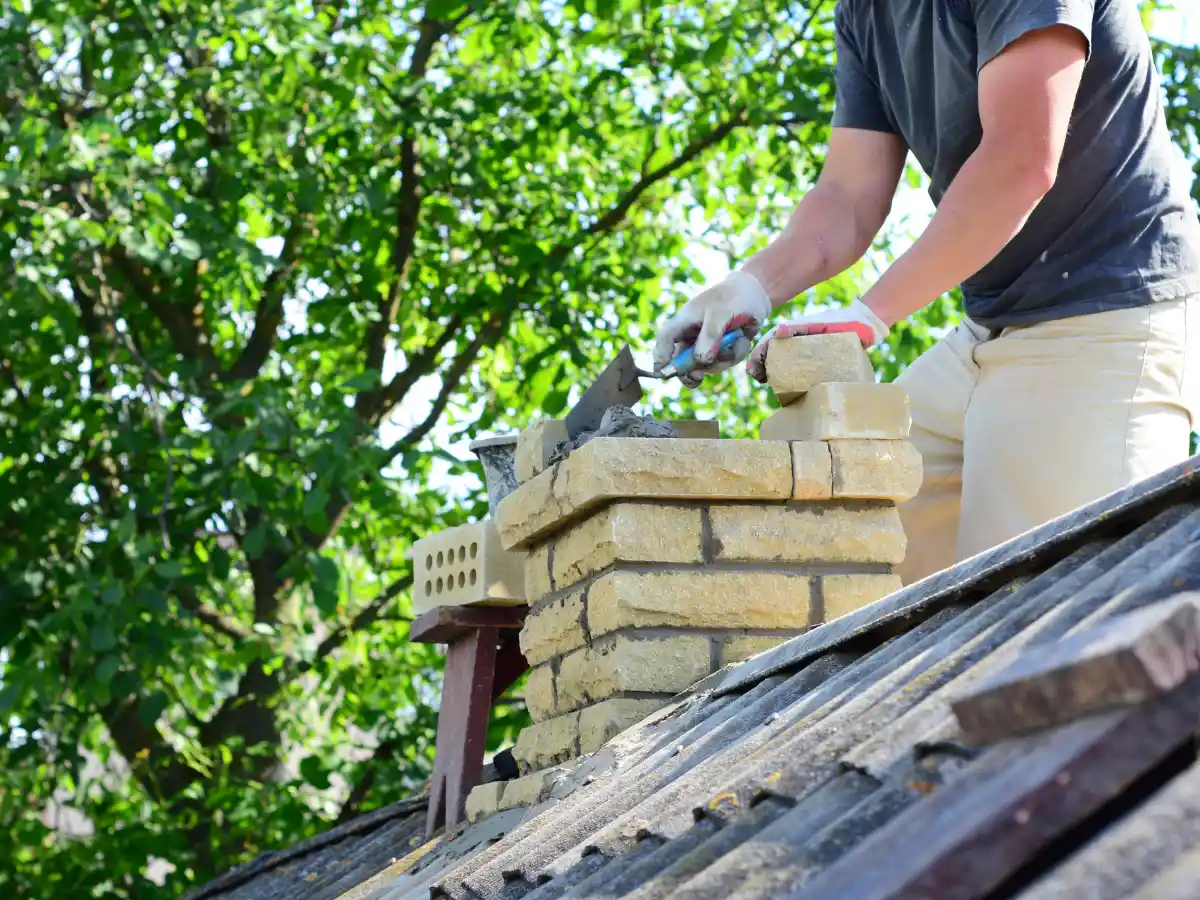
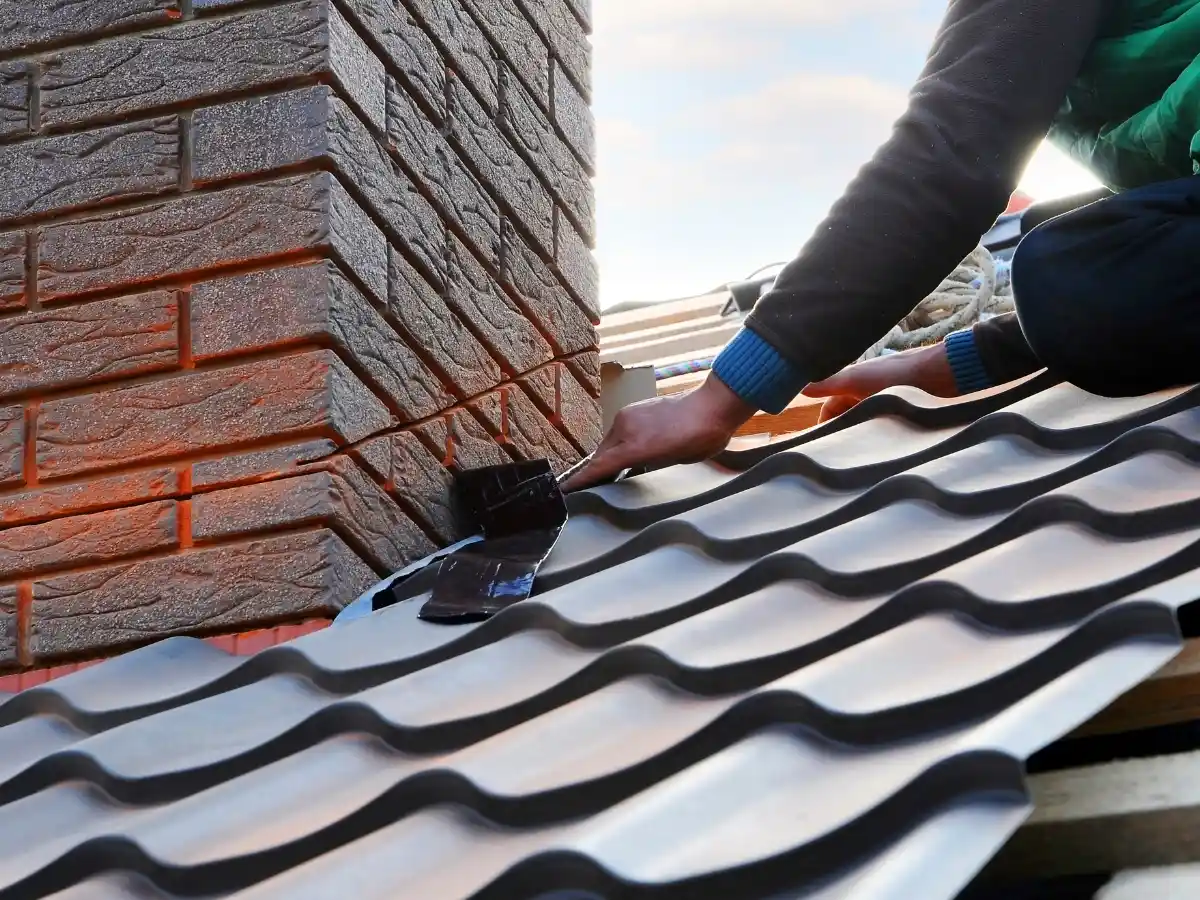
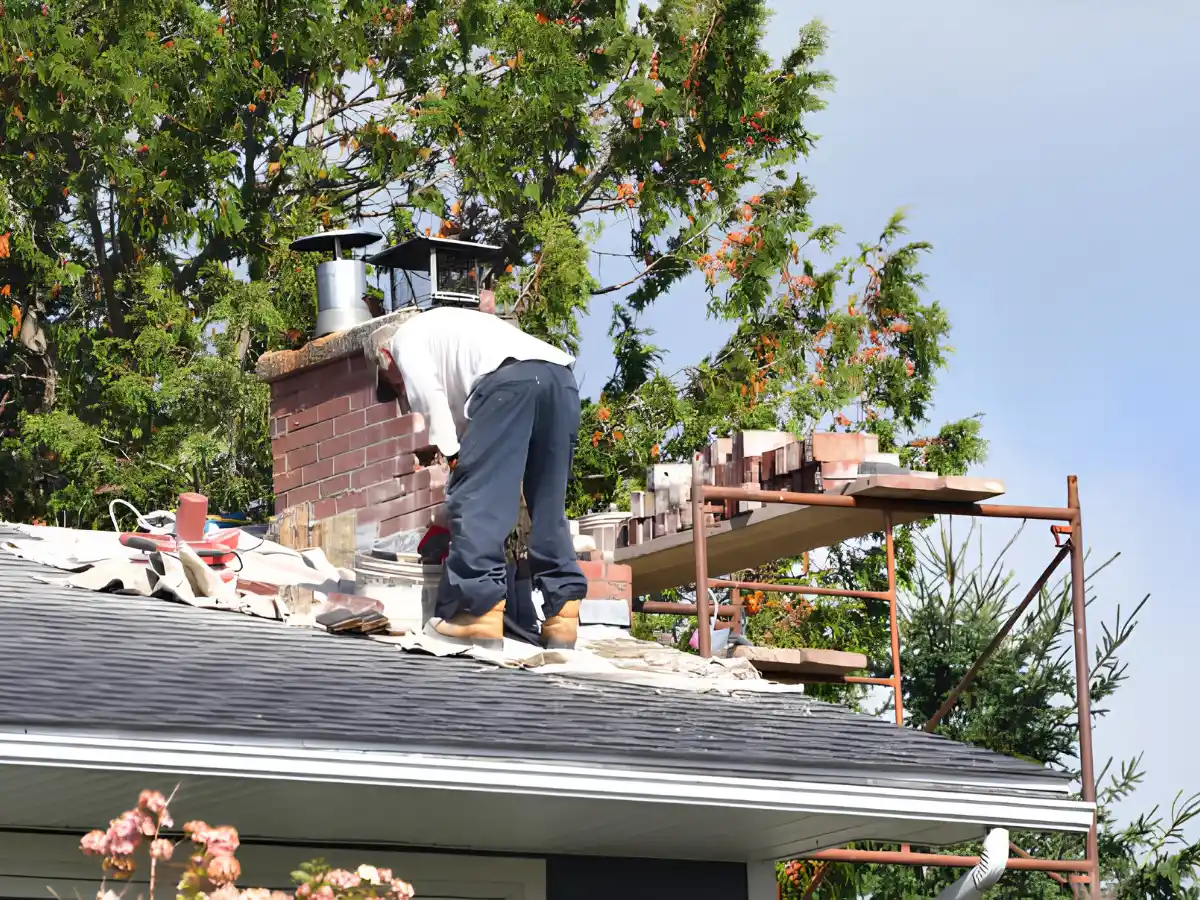
Water and movement break more chimneys in coastal Southern California than heavy use does. Chimney repair covers the fixes that follow: sealing or recasting a cracked crown, replacing failed mortar joints, resealing the metal flashing at the roof line, and restoring a damaged flue liner. Bigger damage, such as a stack leaning after ground shaking, may point toward partial or full rebuilding.
Repairs hold when they address why the damage happened. A crown with no overhang keeps sending rain down the brick face; a cap rusted through by salt air keeps letting water into the flue. The tech traces the cause, explains it and lays out the options. Where mortar is the weak point, tuckpointing and brick work is often the core of the job.
Tell us what you're seeing
A leak, a crack or loose brick? Describe it on the phone and we'll plan the repair visit around it.
Damage worth a closer look
What you might notice from the yard, the attic or the living room.
- Cracks across the crownWater is getting into the top of the stack each rain season.
- Joints that crumble when you rub themMortar has weathered; tuckpointing is likely needed.
- White, chalky streaks on the brickEfflorescence: dissolved minerals left on the surface as water dries out of it.
- Stains on the ceiling beside the chimneyFlashing, crown or cap is letting rain in.
- A gap between the chimney and the wallThe stack may have shifted or settled; needs checking.
- Pieces of tile in the fireboxA cracked or broken flue liner.
Common repairs
Crown repair
Thin cracks can be sealed; a crown that's broken through or was poured flush with the brick is usually recast so it overhangs and drips water clear of the face. See crown work for the details.
Mortar and brick
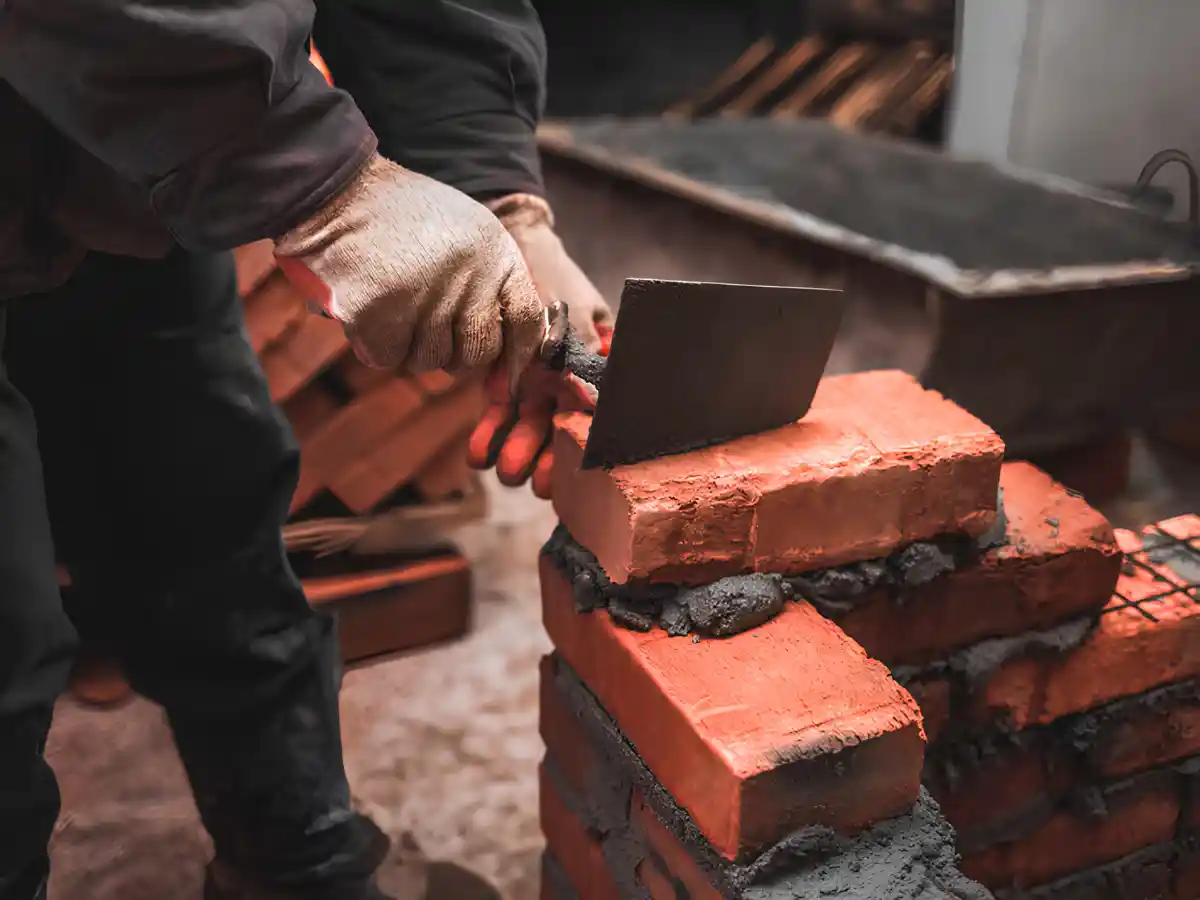
Worn joints are ground out and repacked with fresh mortar, and spalled or cracked bricks are replaced. On older stacks this is often the largest part of the repair, and it slows water getting into the masonry.
Flashing
The metal seal where the chimney passes through the roof. Tile and steep roofs make it trickier to reach, and a failed seal often shows up first as a ceiling stain during the opening storms of the wet season.
Liner repair
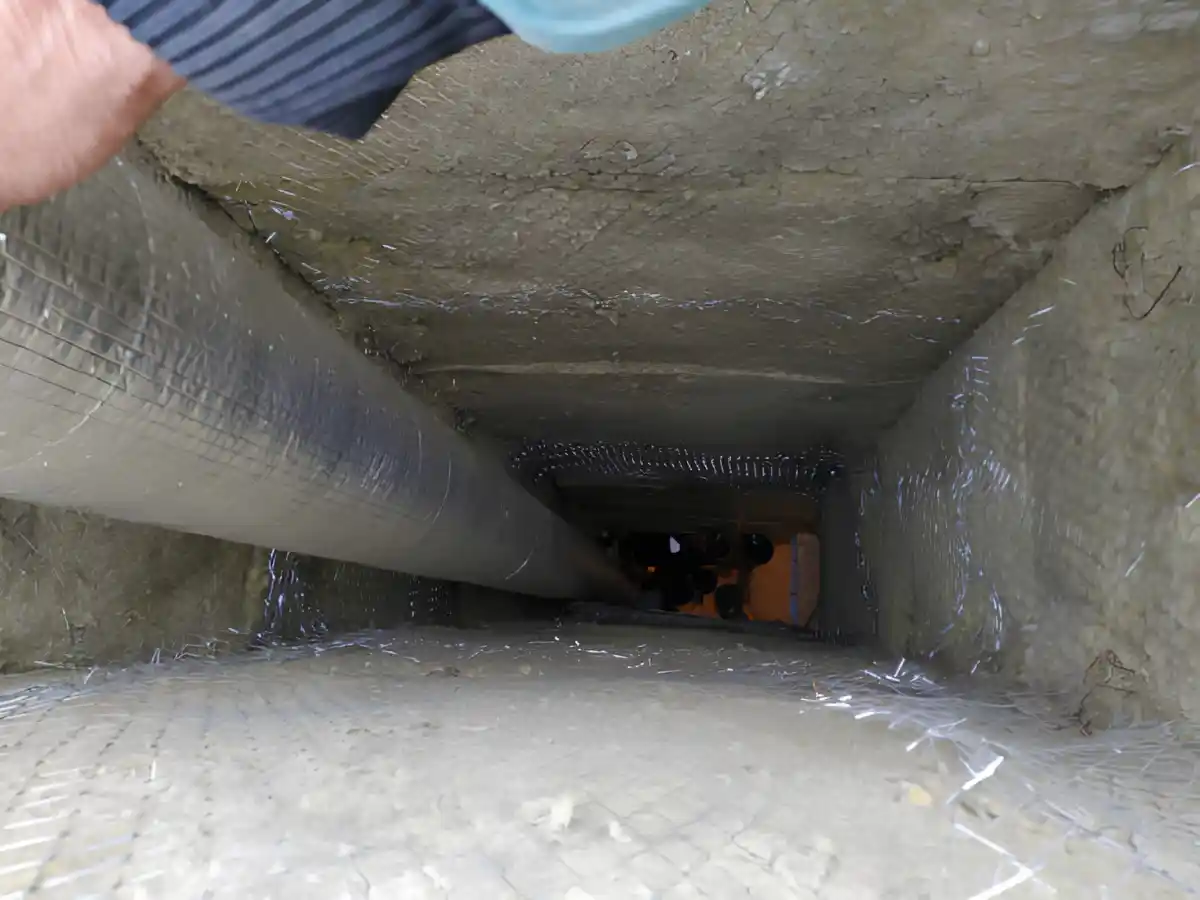
Cracked clay tiles or a separated metal liner allow heat and flue gases into spaces they were never meant to touch. Depending on the damage, the fix may be patching, relining with stainless steel or a cast-in-place lining.
Cap and spark arrestor
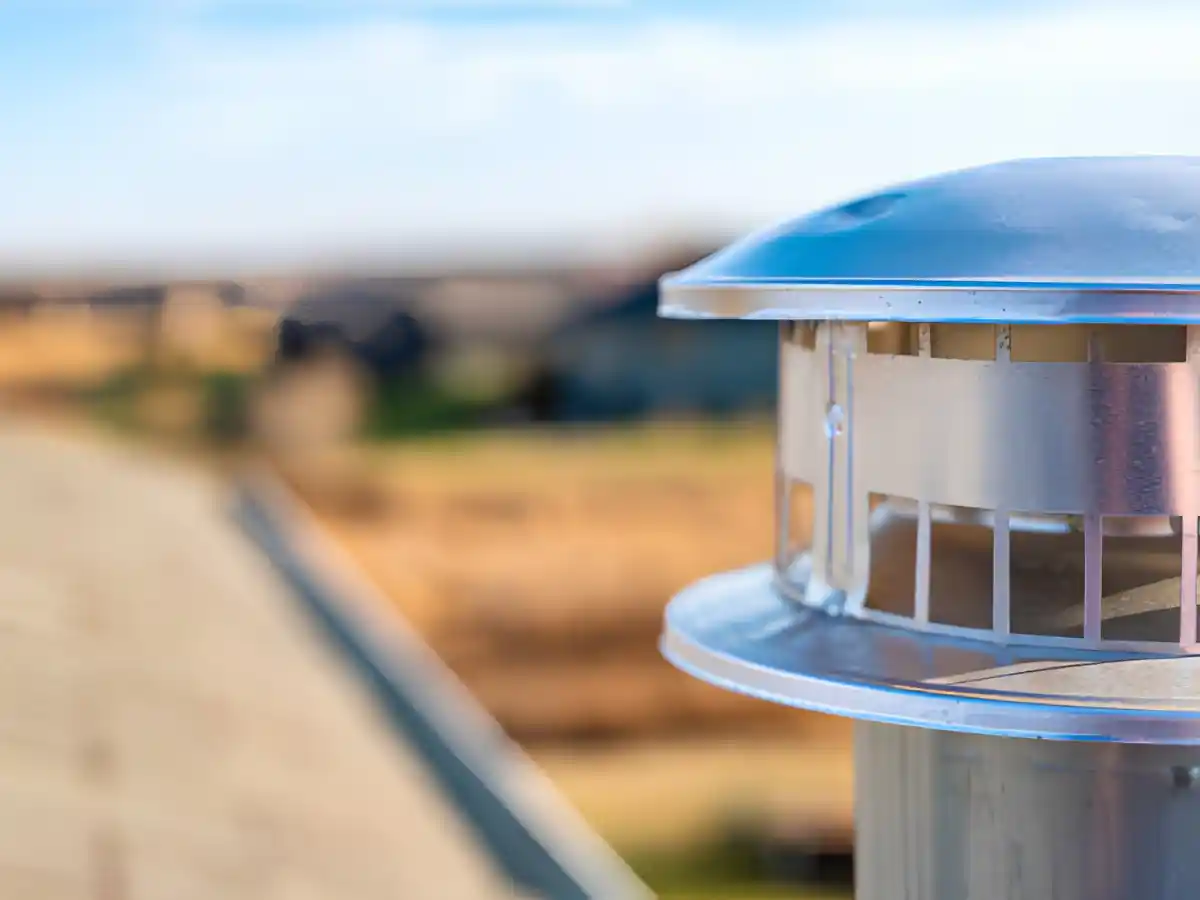
Salt air corrodes metal caps and mesh near the coast. A replacement keeps rain, animals and embers out, and California's residential code requires a spark arrestor on wood-burning chimneys.
Safety first. After a quake, a stack that leans, is missing bricks near its top, or shows a gap where it meets the house can drop heavy masonry onto the roof, the yard or a walkway. Keep people and pets clear of the base, don't light the fireplace, and don't climb onto the roof to look. Have the stack checked from a safe position first.
Repair, rebuild or reline?
The right direction depends on what failed and how far it has spread.
| What's wrong | Typical direction | Why |
|---|---|---|
| Hairline cracks in the crown | Seal the crown | The slab is sound; the goal is stopping water |
| Crown broken or poured flush | Recast with an overhang | Water needs to drip clear of the brick |
| Scattered soft mortar joints | Tuckpoint | Brick is fine; only the joints have worn |
| Loose brick or a lean above the roofline | Partial rebuild | Patching can't restore a stack that has moved |
| Cracked or shifted flue tiles | Reline | The liner protects the framing from heat and gases |
How a repair visit unfolds
Find the cause
The tech checks the crown, cap, flashing, masonry and flue to trace where water or movement got in.
Explain the options
You hear what failed, what each fix involves and what happens if it waits. You choose the scope.
Do the work
Drop cloths inside, care with the roof outside, and cleanup when the work is done.
What drives the cost of a repair
Scope is the biggest factor: sealing a crown is a smaller job than recasting one, and tuckpointing a few joints differs from rebuilding the top of a stack. Roof pitch and material matter too, since tile and steep roofs take more care to work on. Chimney height, matching older brick, liner type and whether scaffolding is needed on a hillside lot all change the job.
Timing can affect what's needed. A crack left open through one wet season tends to let more water into the brick, and the repair grows with it. Fixing the cause, not just the stain, is what keeps the next visit small. Many homeowners add a breathable masonry sealer once repairs are done.
How repairs are handled
Options, then your decision
You hear the cause, what each option involves and the difference between them before any work begins, and you choose the scope that makes sense.
Inside stays clean
Drop cloths cover the hearth and the route through the house, and a vacuum clears dust from any work done at the firebox or smoke chamber.
Offices on both ends
Laguna Niguel covers south Orange County and Rancho Palos Verdes covers the peninsula, South Bay and Long Beach; every repair is done at your home.