Brick & mortar
Chimney masonry repair, joint by joint
- Mortar tested, not guessed
- Findings explained first
- You choose the repair
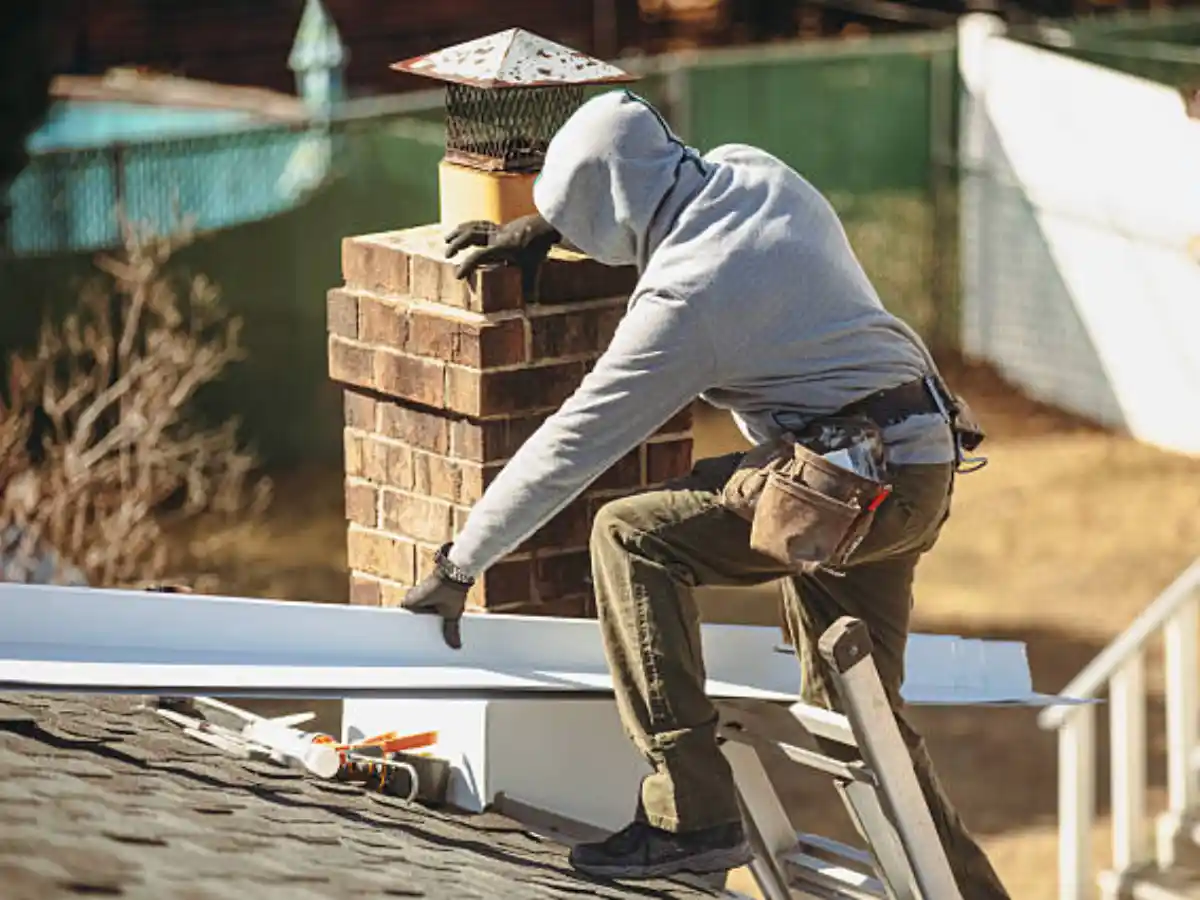
How much of your chimney is still held together by sound mortar? Chimney masonry repair starts with that question, because brick rarely fails on its own; the joints around it go first. Our techs scrape, tap and look at every exposed face, then compare what they find with the concrete crown on top and the flashing below, since a cracked crown often explains the worst joints.
Southern California brick ages in its own way. Long dry months bake the mortar, a short rain season soaks it, and ground movement opens hairline cracks that stay open. Near the coast, salt carried in on the marine layer settles into the surface and keeps drawing moisture back. The result is sandy joints, chipped brick faces and white staining, usually worst above the roofline where nobody looks.
Joints turning to sand?
Phone us any day but Saturday, early or late, and a tech will come study the brickwork with you.
What tired masonry looks like
Most of these are visible from the yard with binoculars or from an attic access.
- Joints that powder under a car keyThe binder has broken down. Mortar that rubs away this easily no longer locks the bricks together.
- Brick faces flaking or popping offSpalling. Water got into the brick, often through a crown or a hard patch that trapped it.
- White, chalky bloom on the stackEfflorescence: salts carried out by moisture moving through the masonry. A sign of water, not of the salt itself.
- A stair-step crack following the jointsMovement. Settling, a past quake or a rusting embedded part can all open this pattern.
- Bits of mortar on the roof or in the fireboxMaterial is leaving the chimney. Find out from where before the next storm.
Repairs we can do on brick and stone
The right fix depends on how deep the damage goes and how old the mortar is.
Repointing (often called tuckpointing)
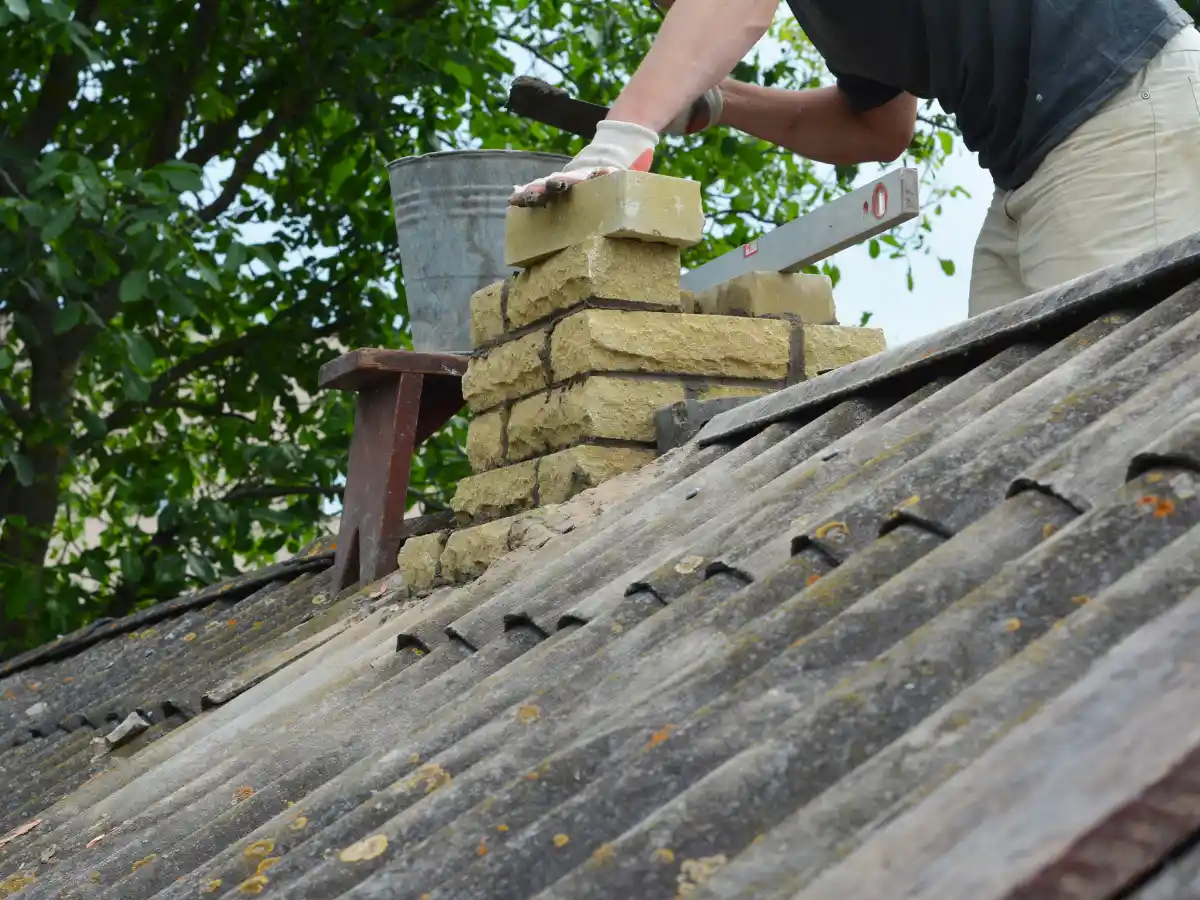
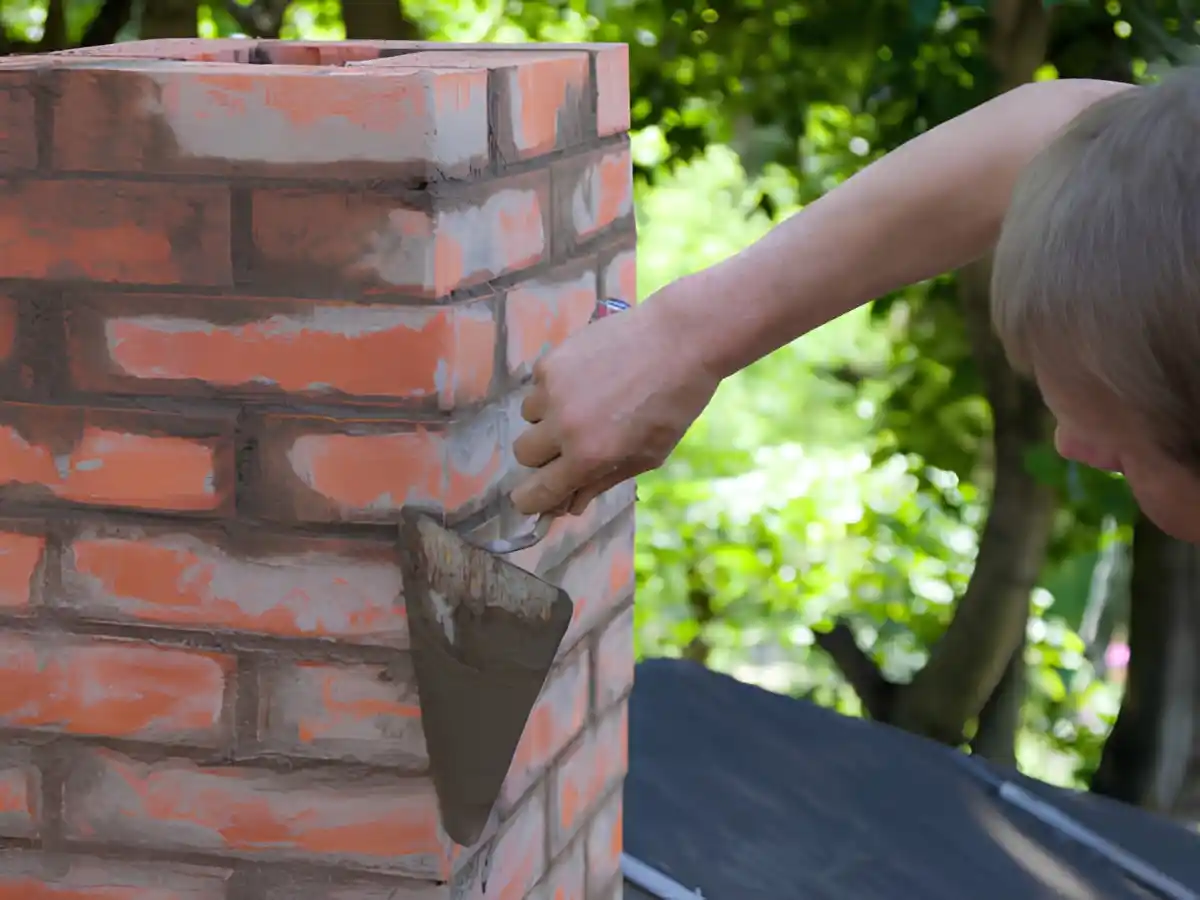
Worn mortar is raked out by hand or with careful tools, usually to a depth of two to two and a half times the joint width, then repacked. Strictly speaking, tuckpointing is a decorative raised joint, but most homeowners use the word for this repair.
Brick and stone replacement
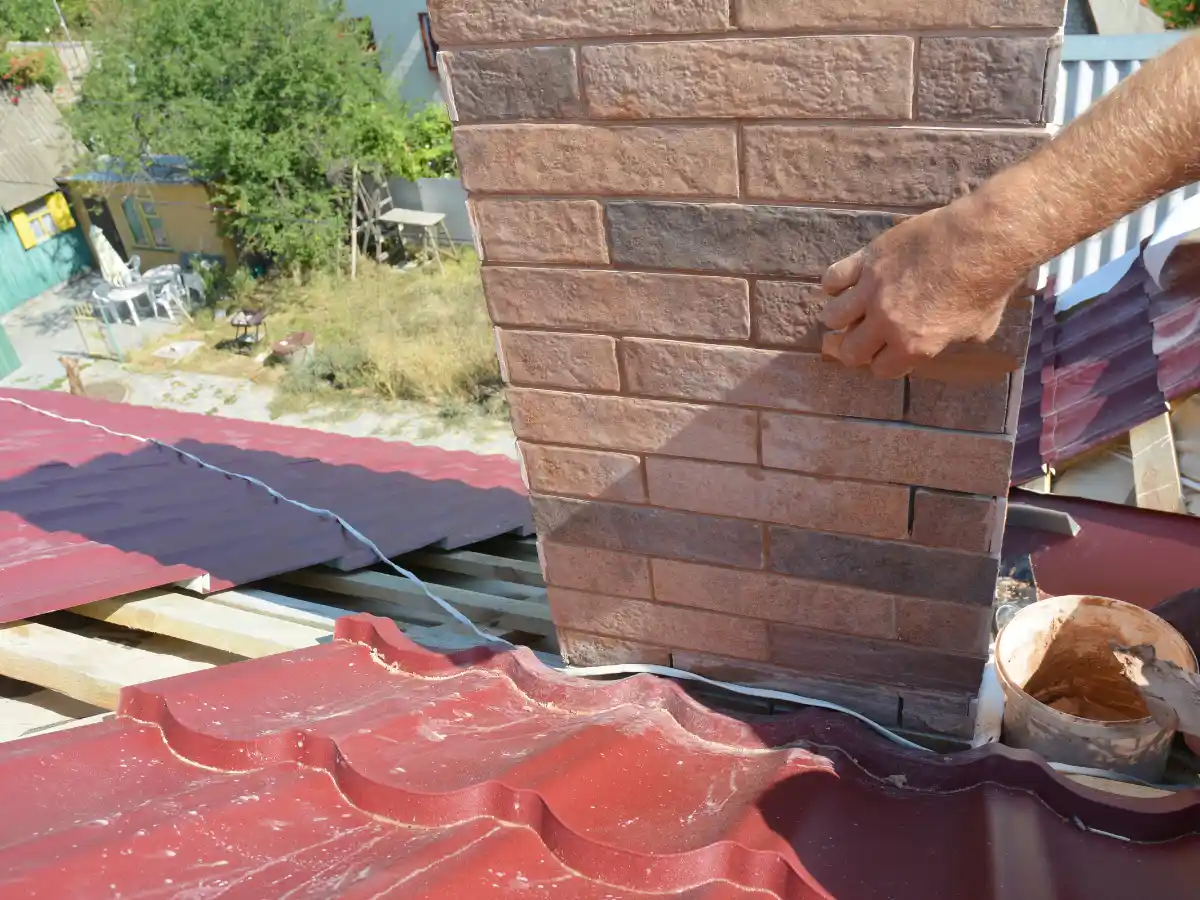
Spalled or cracked units are cut out and replaced with brick close in size, color and hardness. A brick that is much harder than its neighbors can push damage onto them.
Mortar matching
New mortar should be softer and more breathable than the brick, so the joint gives before the brick does. Straight cement patches on older soft brick tend to cause the spalling they were meant to stop.
Firebox and smoke chamber joints
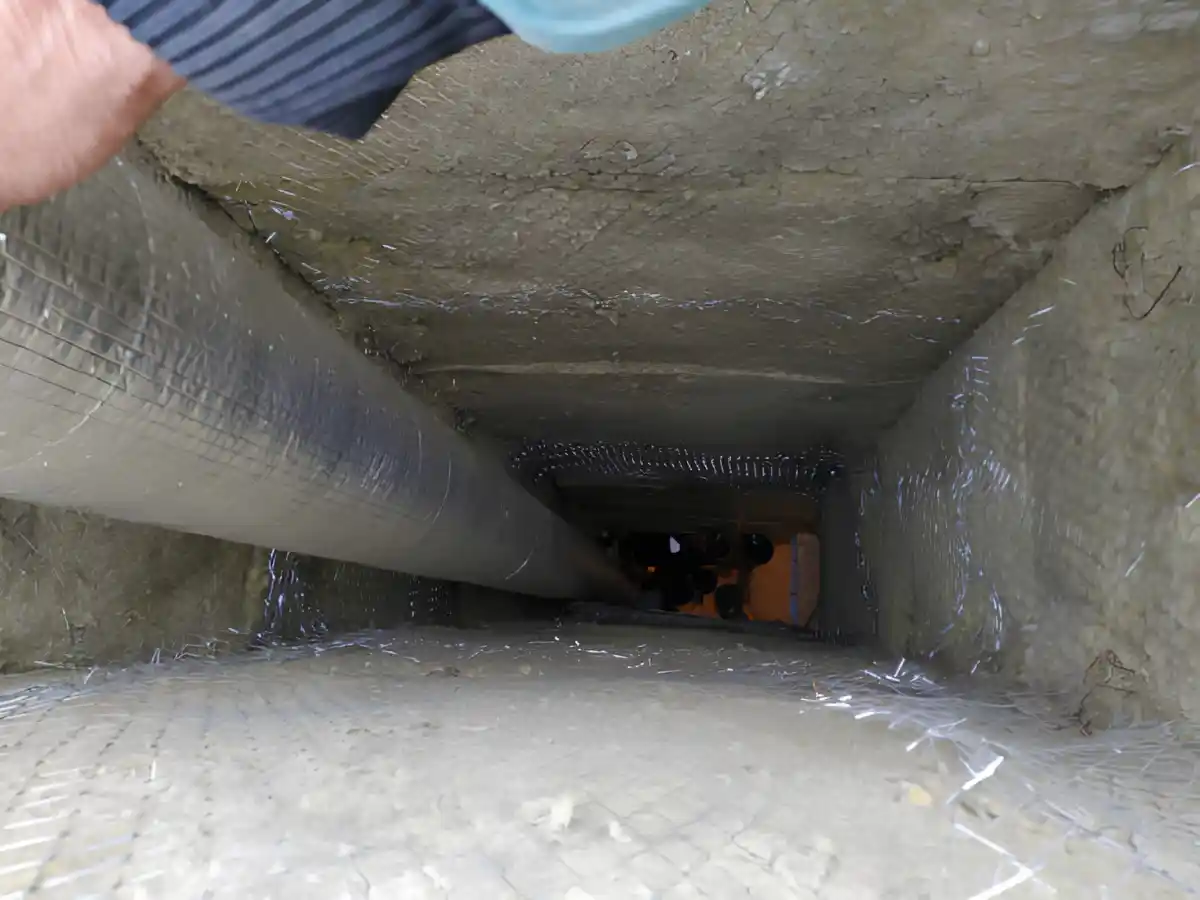
Inside the fireplace, gaps in the firebrick or the smoke chamber parging are repaired with heat-rated materials. This work overlaps with our fireplace repair visits.
How a masonry visit runs
Look and test
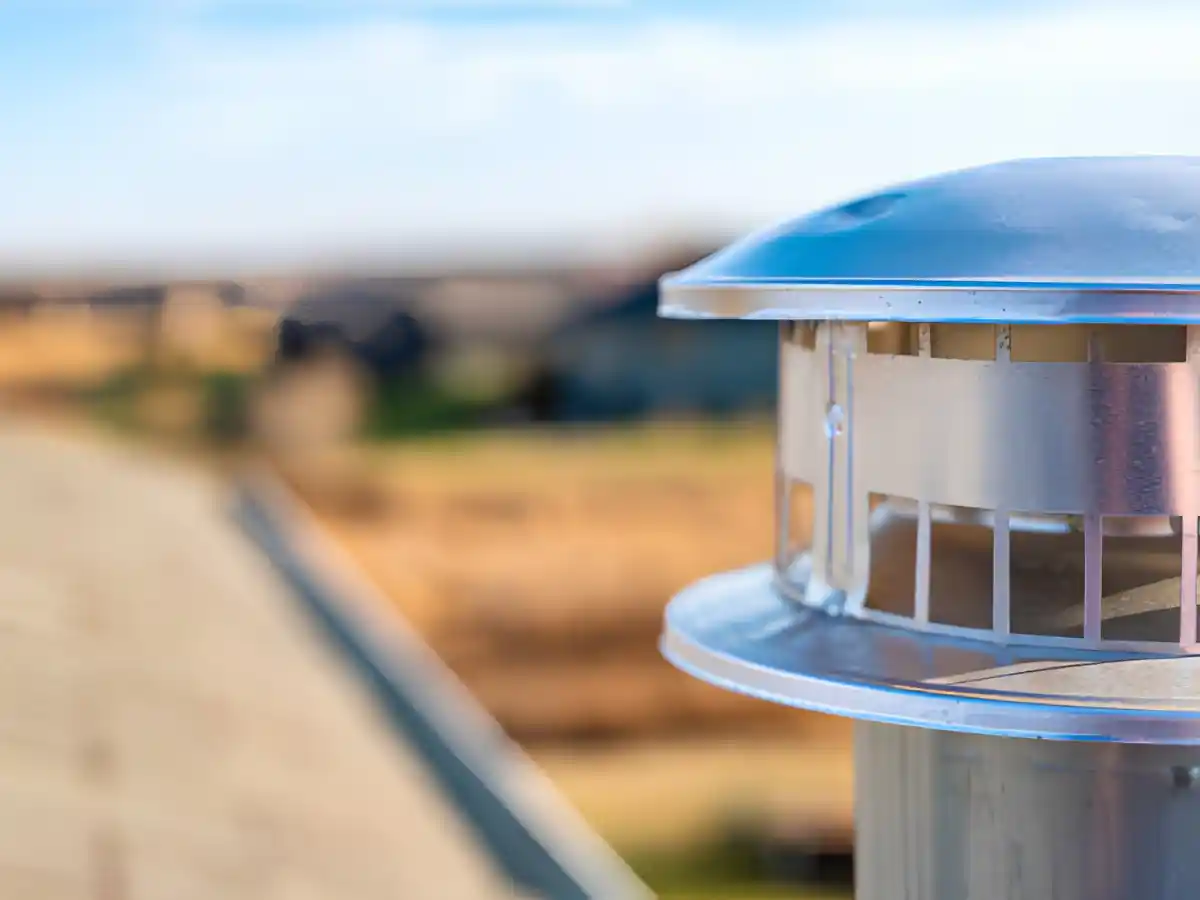
The tech checks joint hardness, brick condition, the crown, the cap and the flashing, and photographs what matters.
Talk it through
You see the photos and hear the options, including what can wait. Nothing starts until you pick.
Protect and repair
Drop cloths go down inside, roof areas are protected, and joints are cut and repacked in sections.
Clean up and recheck
Mortar dust is vacuumed, the stack is rinsed if needed, and the finished joints are photographed for your records.
Safety first. A chimney with crumbling joints above the roof can shed bricks without warning, and a moderate quake can bring a weak stack down. Keep kids, pets and parked cars clear of the area under a chimney you are unsure about, and avoid climbing up to push or pull on loose brick. Loose masonry on a tile or steep roof is a job for someone with fall protection.
What changes the scope of the job
We can't quote a figure on a web page, but these are the things that move it.
| Factor | Why it matters | What we look at |
|---|---|---|
| Height above the roof | Taller stacks need more setup and more joints | Number of courses exposed |
| Roof type and pitch | Clay tile and steep slopes take extra care and protection | Access path and staging |
| Depth of mortar loss | Surface wear repoints; deep loss may mean rebuilding courses | Joint hardness at several heights |
| Brick condition | Spalled units must be cut out and matched | Count and location of damaged brick |
| Water source still open | Repairs fail again if the crown or flashing keeps leaking | Crown, cap and flashing condition |
Why homeowners call us for brickwork
Photos before choices
You see the joints, cracks and spalled faces the tech found, then decide which repairs make sense now and which can be watched.
Two local offices
Brick chimneys in south Orange County are handled from Laguna Niguel, and peninsula and Long Beach homes from Rancho Palos Verdes.
Your room stays covered
Masonry work is dusty. Drop cloths go down by the hearth and the area is vacuumed before the tech leaves.