Deep cleaning
Chimney cleaning for hardened deposits and stubborn odor
- Deposit type identified first
- Hearth and floors protected
- You pick the method
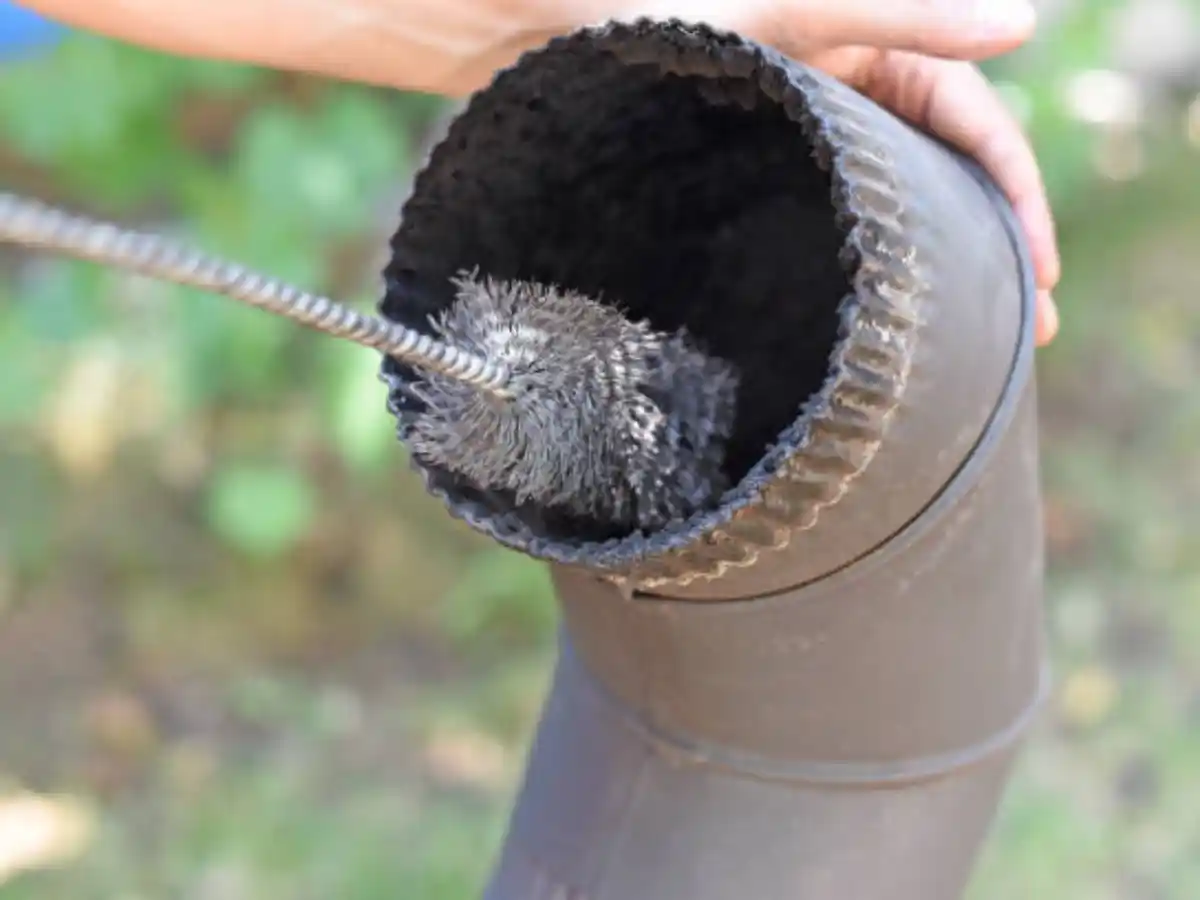
Shiny black coating on the tiles, a smell that drifts in on damp evenings, soot that won't budge under a brush: these call for more than a routine pass. Chimney cleaning goes after what a standard brush leaves behind, including tar-like glaze on the flue and crusted buildup on the smoke chamber walls above the damper. For a fireplace that only needs its yearly brushing, a standard chimney sweep is the lighter job.
Heavy deposits usually trace back to how fires burned: damp or green wood, smoldering logs with the damper half shut, or a flue too large for the firebox so the gases cool before they leave. Cleaning removes the deposit, but the cause stays unless something changes. The tech tells you which of those seems to apply and whether a correctly sized liner is worth considering.
Describe the buildup
Shiny, flaky or smelly? A quick description on the phone helps the tech bring the right equipment.
What deep cleaning removes
Four kinds of buildup that usually need more than brushing.
Glazed creosote
The hardest form of creosote, glossy and dense enough that a brush skates right over it. Striking it hard enough to break it can also damage flue tiles, so removal relies on a chemical treatment, often spread over more than one visit, or controlled rotary tools, depending on the flue.
Smoke chamber crust
The sloped space between the damper and the flue catches soot in its corners and ledges, especially where the masonry is rough or stepped. Crusted deposits there are scraped loose and vacuumed out by hand, since long brushes from the roof rarely reach them well.
Odor sources
Creosote smells stronger once it gets damp, and moist air sinks down a flue. Taking out the deposits removes most of the source. A tight top-sealing damper or snug glass doors can then cut the airflow that pulls the smell indoors.
Packed debris above the damper
Old nests, fallen mortar and wet leaves can compress into a plug on the smoke shelf. It comes out in pieces, with the vacuum running, so nothing drops back into the room or spreads across the hearth.
Reading the deposit
The look and feel of the buildup tells the tech which approach fits.
| Deposit | What it looks like | Usual approach |
|---|---|---|
| Soot | Dry, powdery, black or gray | Brushing with a vacuum |
| Flaky creosote | Crunchy, crumbles when scraped | Stiffer brushes and scraping |
| Tar-like creosote | Sticky, clumps on the tiles | Rotary tools or a chemical modifier |
| Glaze | Hard and shiny, like poured enamel | Chemical treatment over several visits |
| Mixed layers | Powder over a hard, darker base | Brush first, then treat what remains |
Safety first. Creosote is fuel. The U.S. Consumer Product Safety Commission warns that burning creosote can crack masonry flue liners and let hot gases reach nearby combustible framing. If you find glaze in the flue, stop using the fireplace until it has been dealt with. After any suspected chimney fire, the CPSC advises a full safety inspection and any needed repairs before the next fire.
How a deep cleaning is staged
Deep work is planned around the deposit, so the order matters.
Identify the deposit
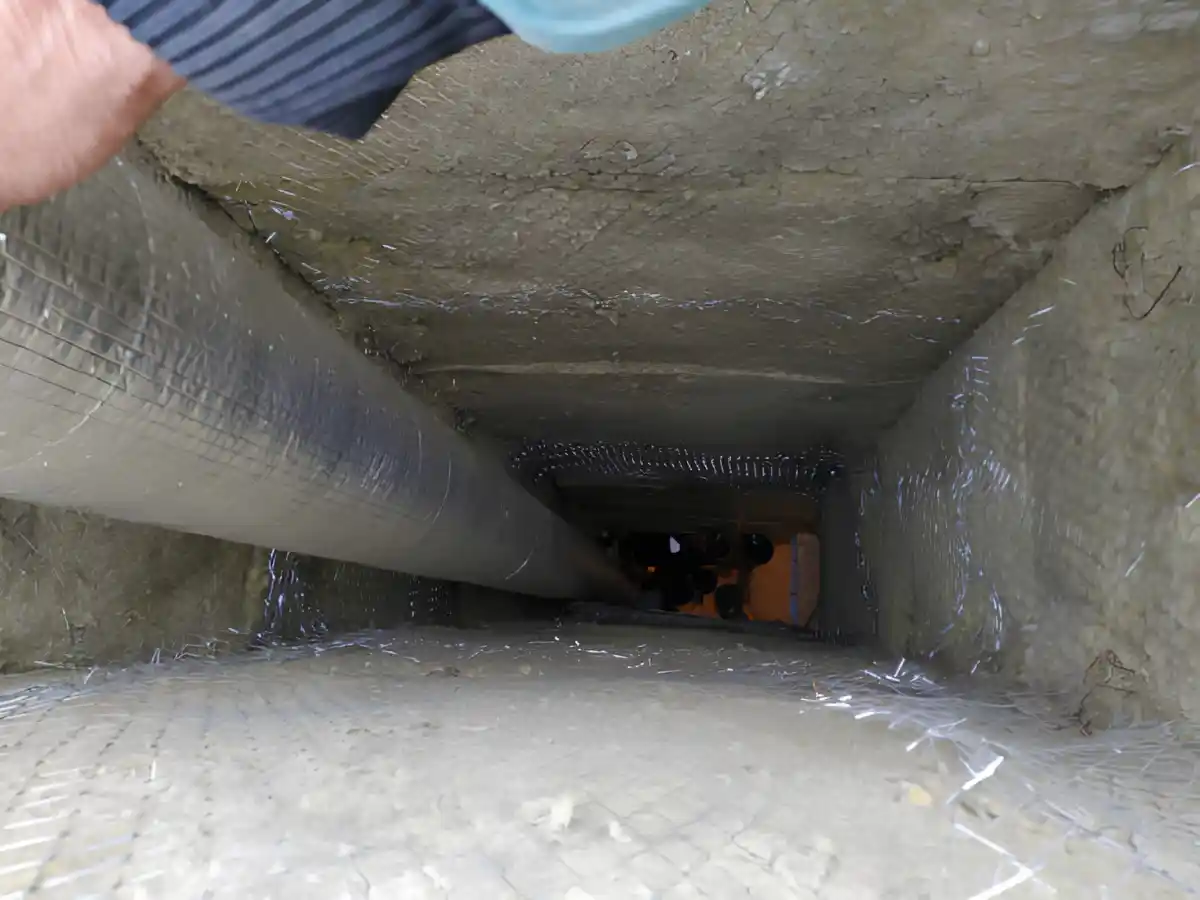
With a strong light, the tech looks up the flue and into the smoke chamber, then tells you what kind of buildup is there and how far it reaches.
Agree on a method
Brushing, rotary tools and chemical treatment each suit different deposits. You hear the options and the trade-offs, and you choose.
Work from the bottom up
With the room covered and the vacuum running, the smoke chamber is cleared first, then the flue above it.
Look again
Once the deposit is gone, the tiles are checked a second time, because heavy buildup can hide cracks that only show afterward.
What to expect from us
Method explained first
No product goes into the flue until you've heard what the deposit is, which removal options suit it and why. The choice of method stays with you.
Floors and furniture covered
Drop cloths go down along the path in and around the hearth, and a vacuum runs at the opening for as long as the work continues.
Two local offices
Crews work out of Laguna Niguel and Rancho Palos Verdes and come to your home; the offices are bases for the crews, not showrooms.
What shapes the cost, and how to keep deposits away
Deep cleaning takes longer than a sweep, and the time varies more. Glaze removal may need more than one visit. The flue's height and shape, roof access, the condition of the smoke chamber and how far the deposit has spread all change the scope.
To keep heavy buildup from returning, burn dry, seasoned wood, open the damper fully, and build hotter, shorter fires instead of letting logs smolder overnight. Those habits matter more than how often the fireplace gets used. Keeping up with a yearly flue inspection catches any return early.