Safety checks
Chimney inspection levels, and which one you need
- Findings in plain terms
- You choose any next step
- Sunday to Friday hours
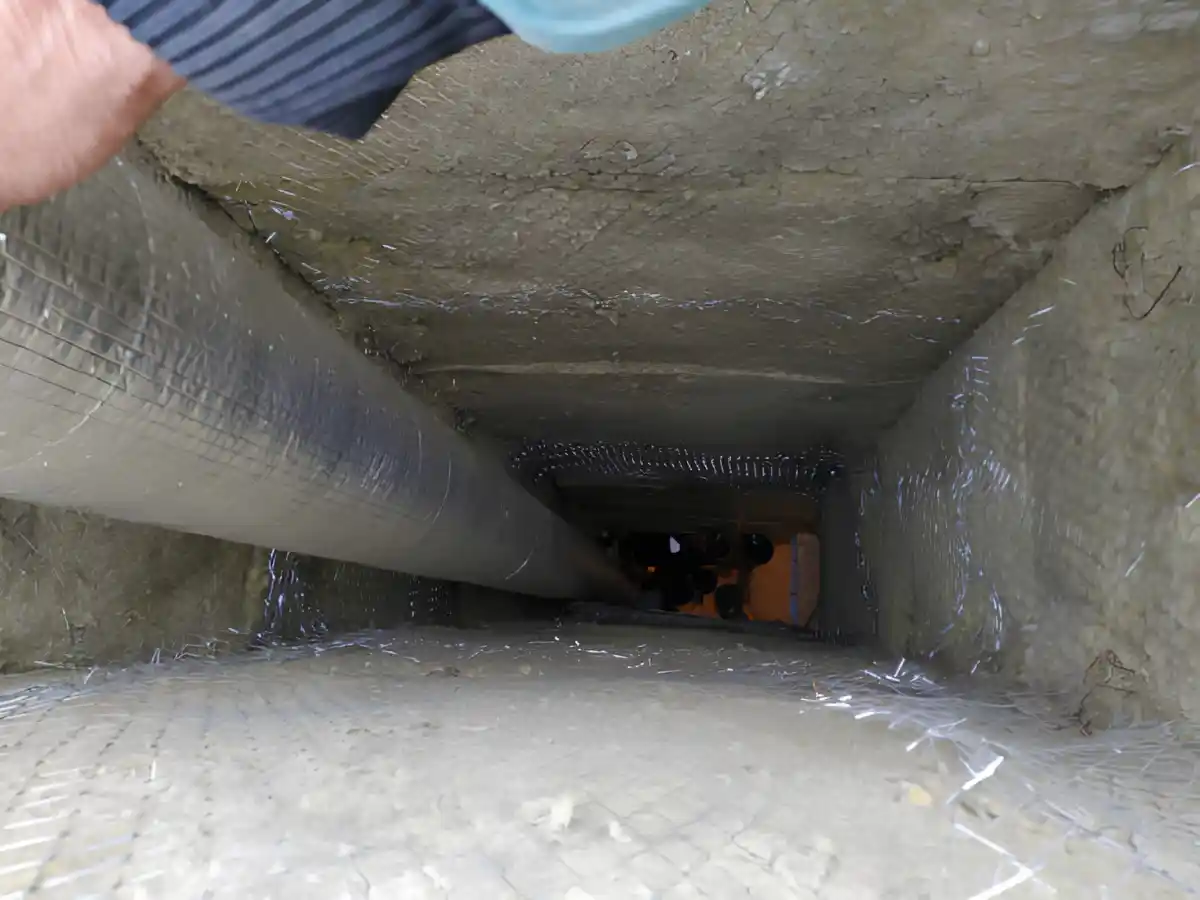
Quakes, a wet winter or years of sitting unused can all change a chimney without leaving obvious signs from the yard. A chimney inspection is the structured look that catches those changes, and the NFPA 211 standard sets a yearly interval for one even for fireplaces that rarely see a fire. If soot is your only worry, a flue sweep can happen during the same visit.
The standard defines three levels. Most homes need only the first. The second applies when something has changed: a sale, a new appliance, or an outside event such as an earthquake. The third is reserved for hidden problems that can't be judged without opening up part of the structure. You hear the findings before anything else is discussed, and any repair work is your call.
Not sure which level?
Tell us why you're asking, whether a sale, a quake or a new insert, and we'll suggest where to start.
Level 1, 2 or 3
NFPA 211 ties each level to a situation, not to how worried you are.
| Level | When it applies | What gets checked |
|---|---|---|
| Level 1 | The chimney is easy to reach and you plan to keep using it as it is | Readily accessible parts of the chimney, firebox and flue for soundness, blockages and deposits |
| Level 2 | A sale or transfer, a new or different appliance, a fuel change, or possible damage from an outside event | Everything in Level 1 plus accessible attic, crawl space and basement areas; often a video scan of the flue |
| Level 3 | A Level 1 or 2 finding points to a concealed hazard | Hidden portions of the structure or flue, which can mean removing some masonry or wall finish |
Why little-used chimneys still get checked
CSIA notes that a fireplace you seldom light can still become unsafe, because animals nest in idle flues and mortar and tiles deteriorate whether or not fires are burning. Around here, water and movement are the bigger forces. Months of dry heat followed by a short rain season give small cracks a chance to open and then fill with water.
Ground shaking is the other local factor. Engineers who studied the 1994 Northridge earthquake reported many leaning or collapsed masonry chimneys, often where reinforcement or anchoring to the house fell short of code, while chimneys anchored to code held up. A Level 2 check after a noticeable quake looks for those weak points.
What the tech looks at
Crown and cap
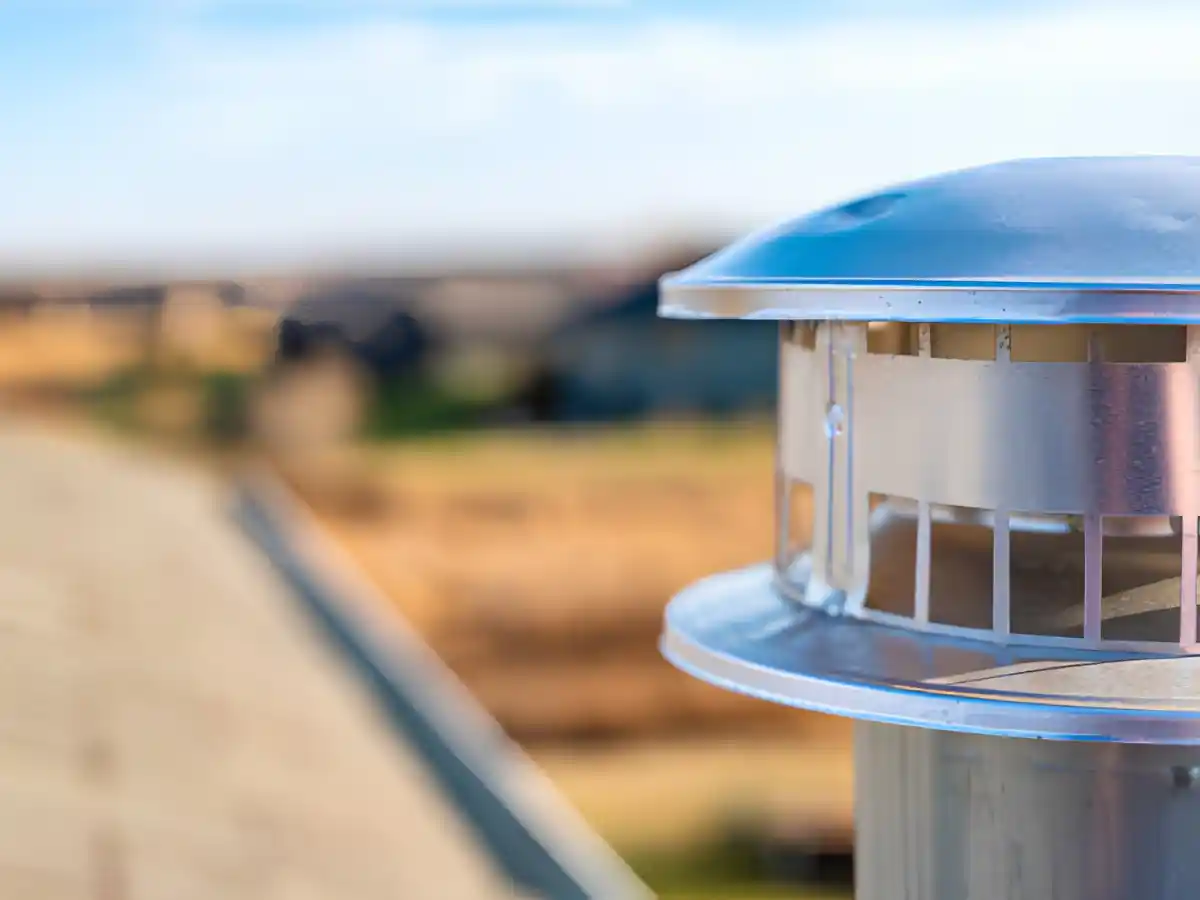
The concrete cap on the brick needs a drip edge that throws rain clear of the masonry. Hairline cracks, torn spark arrestor mesh and metal pitted by salt air near the coast all get noted at this point of the check.
Flue liner
Cracked or offset tiles, open mortar joints and patches of deposit along the lining. These matter because the liner is what keeps heat and gases away from the framing around the chimney.
Damper and smoke chamber
Whether the damper opens, closes and seals, and whether the smoke chamber walls are intact. Rust on a cast-iron damper is common in homes close to the ocean.
Firebox and hearth
Loose or cracked firebrick, gaps in the joints, and the noncombustible apron on the floor out front, which is there to catch stray embers and sparks before they reach carpet or wood.
Masonry and flashing
Spalling brick, soft mortar, white mineral staining, and the metal flashing where the stack meets the roof, a frequent leak point on tile and slope roofs.
Safety first. No smoke doesn't mean no hazard. A gas fireplace or insert won't build creosote, but a blocked or separated vent can push carbon monoxide back into the house with nothing visible to warn you. Yearly inspections are recommended partly to prevent CO poisoning. Keep working CO alarms near bedrooms, and if one sounds while the fireplace is running, turn it off and get everyone outside.
Good times to book one
Situations where an inspection is worth scheduling soon.
- You're buying or selling the homeA transfer of ownership is one of the standard's Level 2 triggers.
- A quake rattled the houseMovement may have opened cracks; a Level 2 fits.
- You're switching to gas logs or an insertDifferent fuel and venting needs; the flue should be checked for them.
- Water stains near the chimneyA leak at the crown, flashing or masonry is likely.
- A year has passedThe standard's routine interval, even with light use.
How findings are handled
You hear it first
Each finding is explained in plain language, with what it means for safety, before any work is mentioned. You decide what happens next and when.
A tidy visit
An inspection mostly involves looking, but drop cloths still go down at the hearth and the vacuum is ready if anything has to be cleared.
One number, two offices
A single number rings through to both Laguna Niguel and Rancho Palos Verdes. Expect an answer early morning into the evening, every day except Saturday.