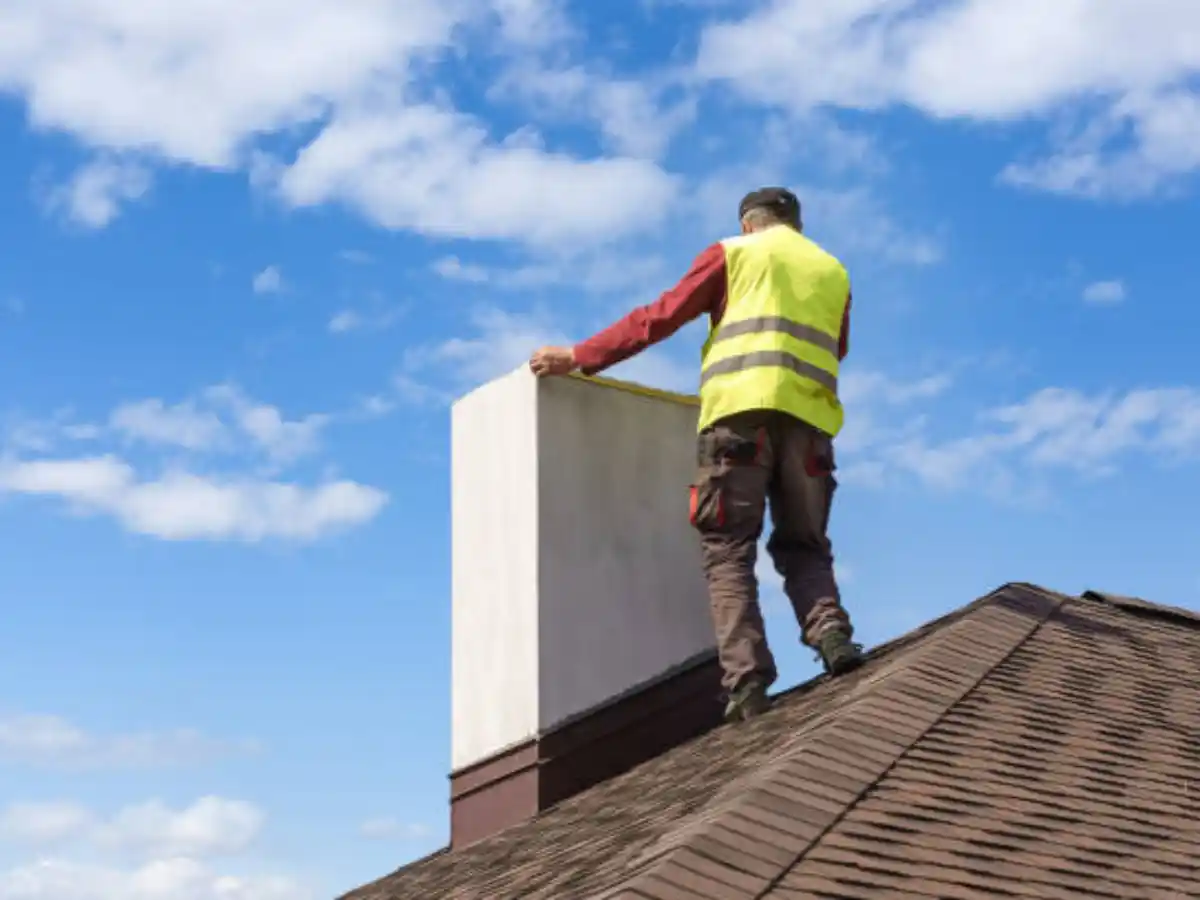
Routine sweeping
A chimney sweep for the fireplace you rarely light
- Hearth covered before brushing
- Open Sunday through Friday
- You hear what came down

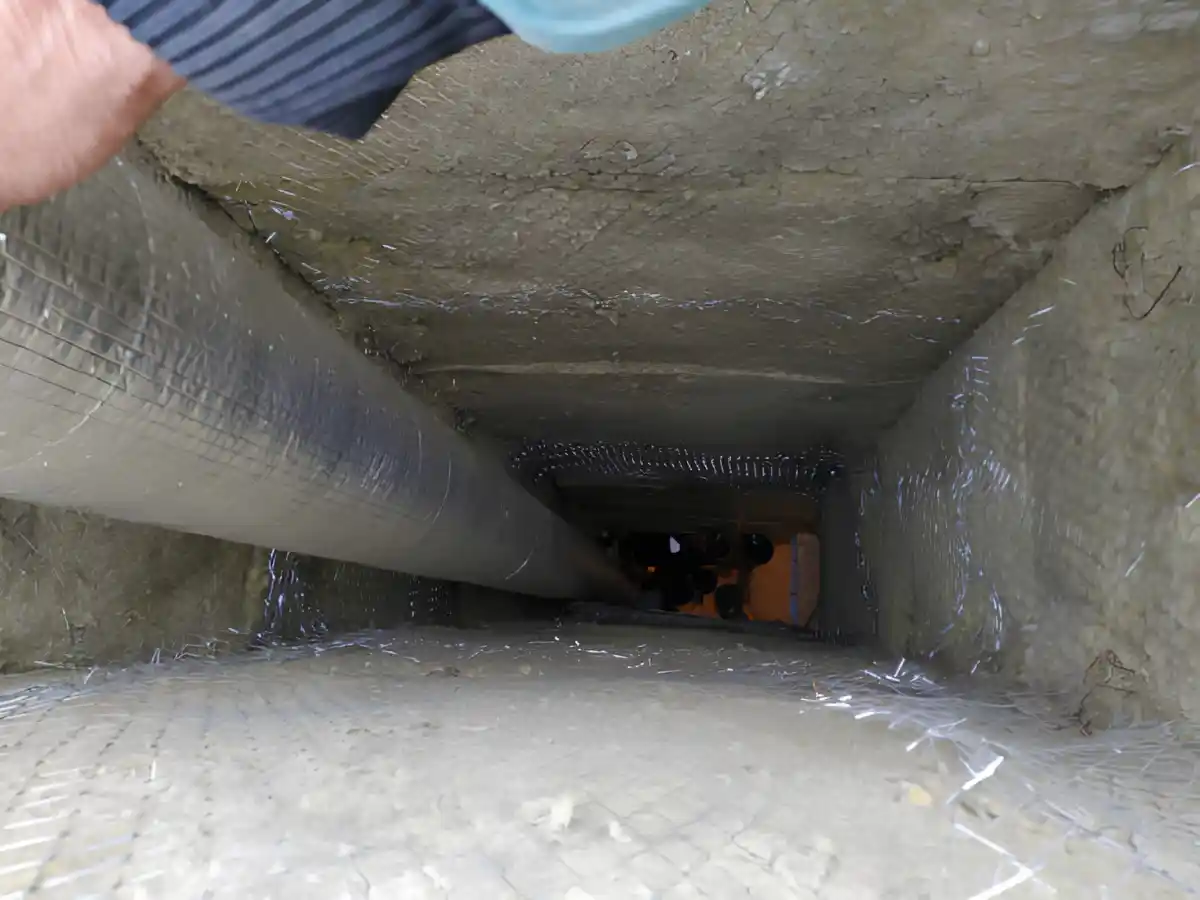
How long since anyone looked up your flue? A chimney sweep is the routine visit: the tech brushes soot and loose creosote off the flue walls, clears the damper and smoke shelf, and pulls out the leaves, twigs or nesting material that collected while the fireplace sat idle. Most fireplaces around here see a fire only on a few cool evenings, which is the pattern a sweep suits best. Hardened or shiny deposits call for deeper chimney cleaning instead.
A sweep pairs naturally with a Level 1 safety check, since the brush and the flashlight travel the same path. Once the flue is clear, the tech shows you what came out and describes how the tiles and mortar looked along the way. Nothing past the sweep happens unless you ask for it. If the visit turns up a cracked crown or loose brick, you get a plain explanation to think over on your own schedule.
Book a routine sweep
Tell us roughly when the fireplace was last used and what it burns, and we'll set a time Sunday through Friday.
What a routine sweep covers
The Chimney Safety Institute of America suggests sweeping a masonry fireplace once sooty buildup reaches about one-eighth of an inch, and sooner if any glaze shows up. A fireplace that burns a dozen small fires a season can take a year or longer to reach that point. In this climate, debris is often the bigger concern: birds, rodents and wind-blown leaves find an open flue during the long dry months.
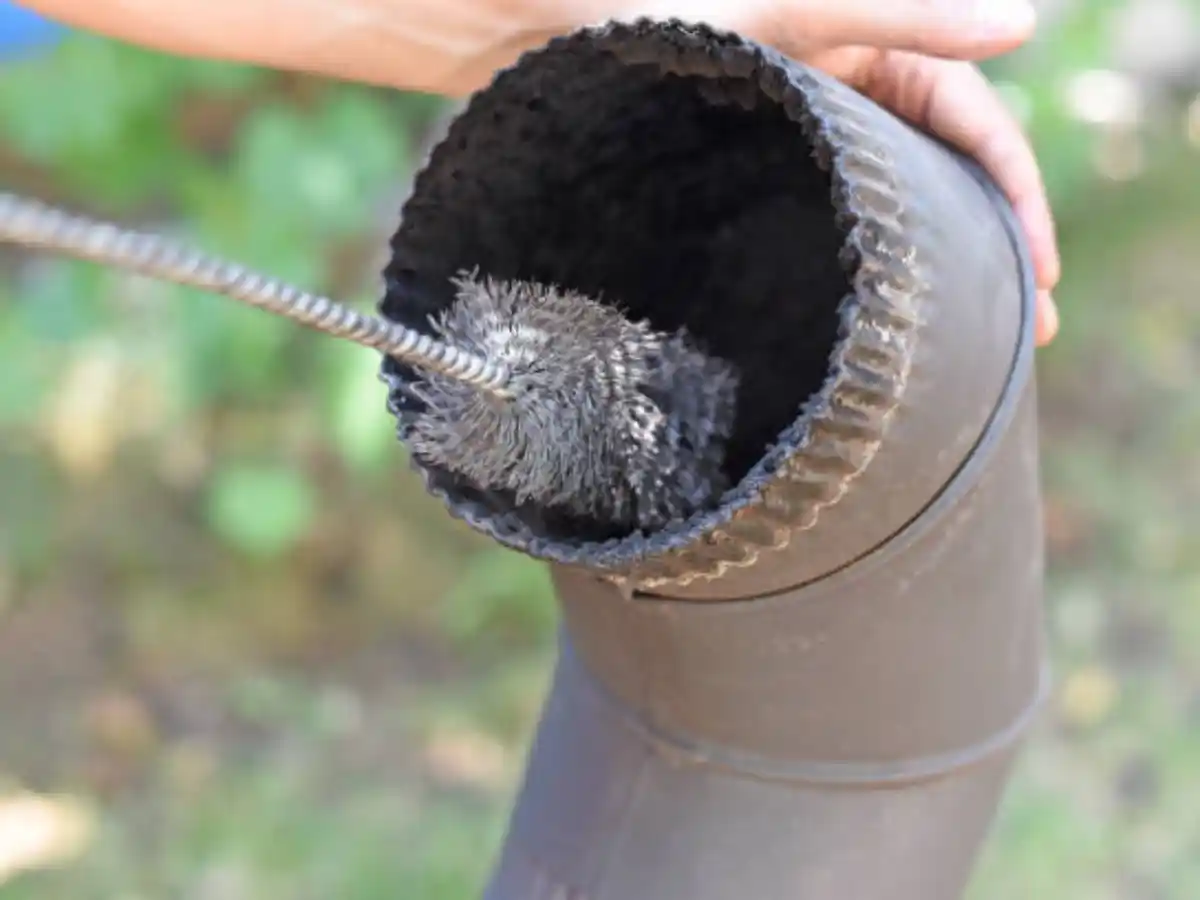
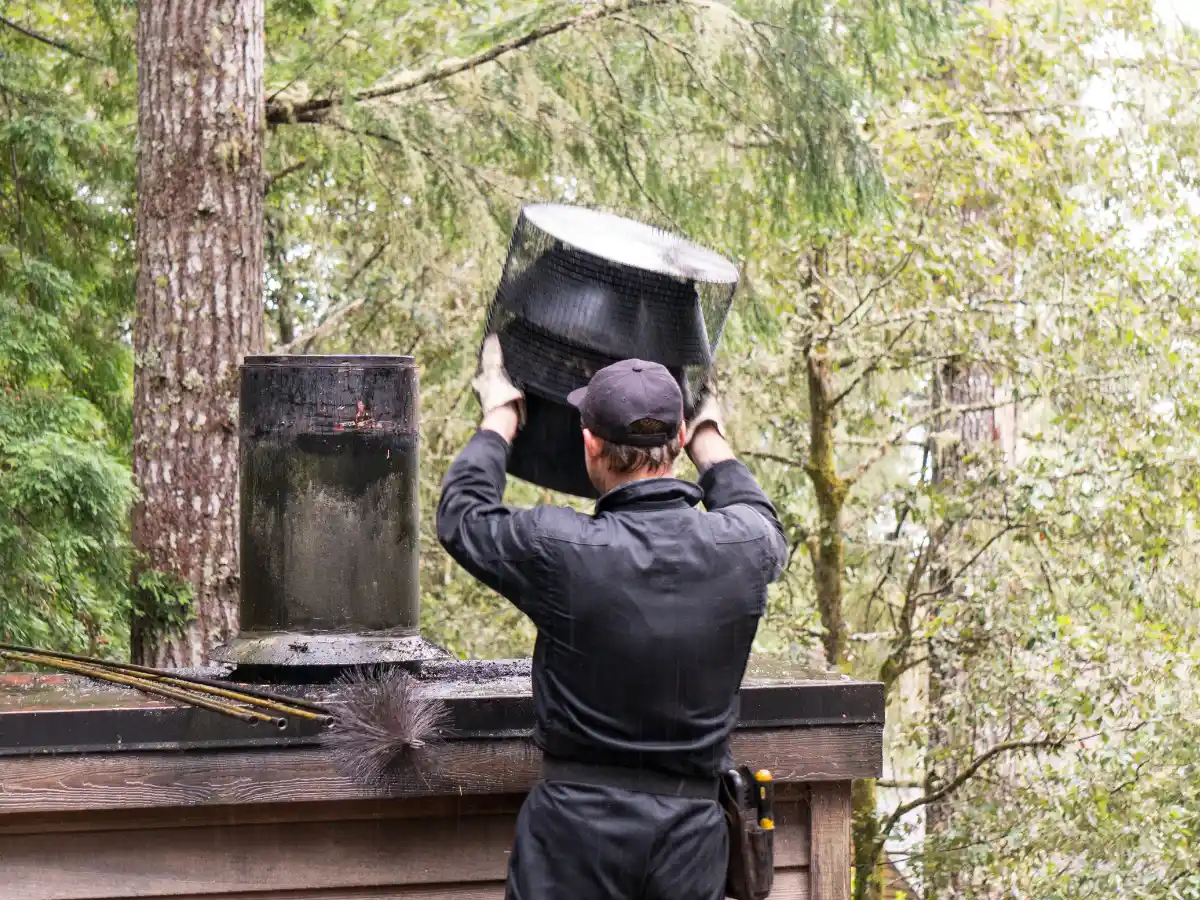
Brushes are matched to the flue's size and shape and run from the firebox, the roof or both. On steep or tile roofs, working from below is sometimes the safer choice. The damper, smoke shelf and firebox are cleared by hand, and the spark arrestor screen up top gets brushed so it keeps letting smoke out.
A sweep is the lighter of the two flue jobs. It suits soot that's still dry and powdery, loose flakes, and debris sitting on the shelf. If the brush runs into glossy or tar-like patches partway up, the tech stops and explains why those need a different approach, and the choice of whether to go further stays with you.
Signs the flue is due
Clues that usually point to a routine sweep rather than a bigger job.
- A sooty smell after the season's first fireA thin coat of soot on the flue walls; brushing normally takes care of it.
- Twigs or leaves landing on the grateSomething is nesting or collecting on the smoke shelf.
- Smoke drifting into the room on calm daysA partial blockage or a clogged spark screen is restricting the draft.
- Black flakes on the hearthLoose creosote breaking away from the flue lining.
- No idea when it was last sweptCommon after buying a home; a sweep plus a look is a sensible first step.
How the visit runs
Most sweeps follow the same four steps, start to finish.
A few questions
How often you burn, what fuel goes in, and whether you've noticed smoke or odor. The answers decide which brushes and rods come out.
Protect the room
Drop cloths go down, the opening is sealed around the vacuum hose, and old ash is cleared from the firebox.
Brush and vacuum
Rods and brushes work the flue in sections while the vacuum catches what falls at the bottom.
Walk-through
The tech shows you what came down and points out anything worth a closer look. What happens next, if anything, is up to you.
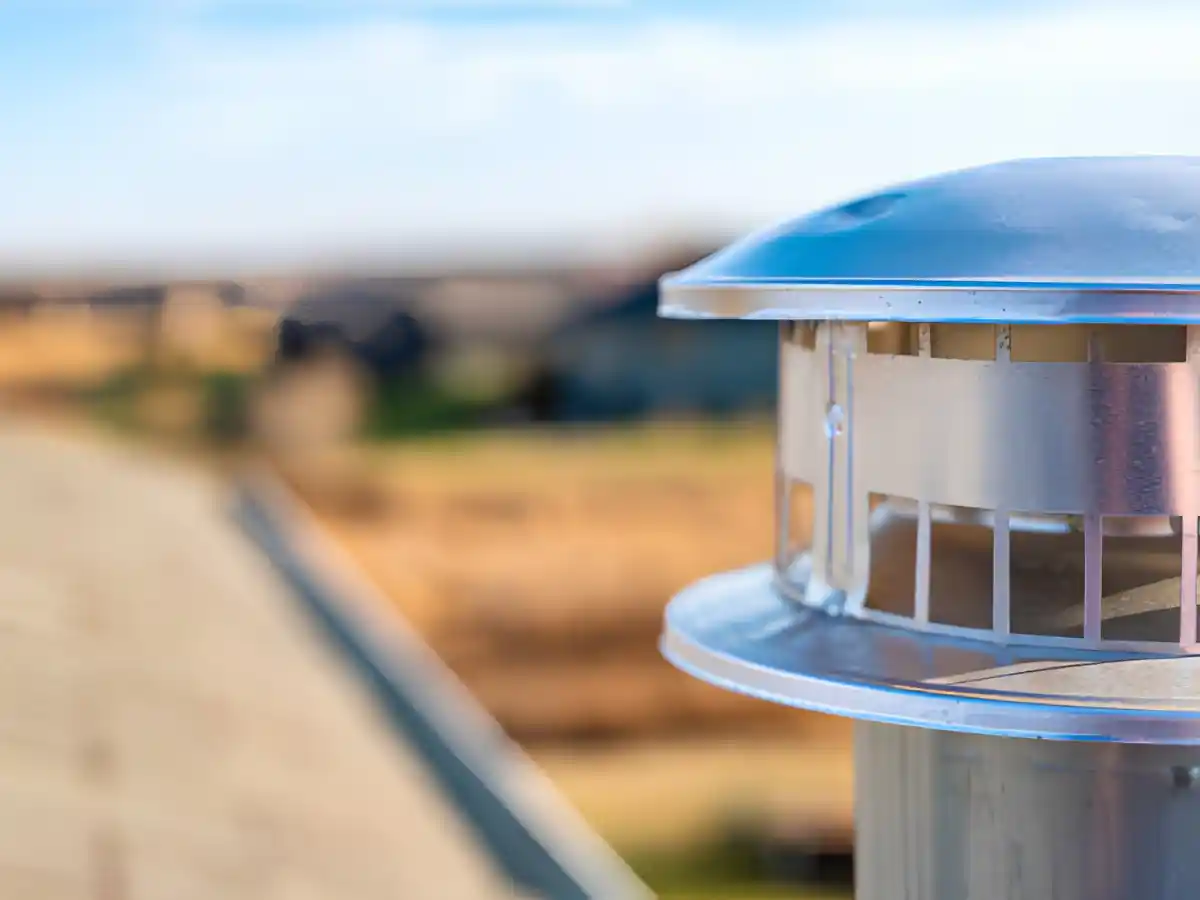
Safety first. Santa Ana days and the spark screen: the California Residential Code calls for an approved spark arrestor on chimneys serving wood-burning fireplaces, with mesh openings no larger than half an inch. Mesh that fine collects soot, and a clogged screen chokes the draft. Skip the fire on high-wind days, and if the screen is torn, rusted through or missing, replace the <a href="/chimney-cap-installation/">spark arrestor cap</a> before you burn again.
Sweep or deeper cleaning?
The two jobs overlap, but they answer different problems, and the deposit itself usually decides which one fits.
| What you notice | Routine sweep | Deeper cleaning |
|---|---|---|
| Light, powdery soot | Usually enough | Not needed |
| Shiny, tar-like coating on the tiles | Won't remove it | Chemical or rotary removal |
| Smell that lingers between fires | May help a little | Targets deposits in the smoke chamber |
| Nest or leaf debris | Cleared during the visit | Only if heavy buildup is also present |
How we handle a sweep
Your room stays covered
Drop cloths and a running vacuum are part of the routine, so the soot that comes down ends up in the hose rather than on your rug or furniture.
Findings before suggestions
You hear what the brush and flashlight turned up before any further work is mentioned, and whether to act on it is entirely your decision.
Six days of phone coverage
Someone picks up between early morning and 10 at night on every day but Saturday, so you can book around school runs or a late shift.