 California Chimney Service
Which kind of gas fireplace do you have, and where does its exhaust go? Plenty of venting questions start with not knowing the answer. This guide sorts out the common setups, the warning signs of a venting problem, and what a technician actually tests.
Which gas setup is in your living room?
| Setup | How exhaust leaves | What it depends on |
|---|---|---|
| Vented gas logs in a masonry fireplace | Up the existing chimney | An open damper and a clear, sound flue |
| Gas insert in a masonry fireplace | Through a liner or vent pipe run up the old chimney | Correct liner connection and termination cap |
| Direct-vent gas fireplace | Sealed pipe through the wall or roof | Intact vent pipe, gaskets and exterior cap |
| Vent-free (unvented) logs | Into the room | Not supported by the EPA because of indoor air quality concerns |
The EPA notes that gas stoves can vent through an existing chimney or directly through the roof or wall, and that in some jurisdictions it is illegal to install unvented gas stoves. Gas appliance installation in general follows the National Fuel Gas Code (NFPA 54) and the manufacturer's instructions.
The damper rule for vented gas logs
Vented decorative gas logs send their exhaust up a chimney built for wood. Typical manufacturer instructions for these sets require the damper to be fixed so it can never fully close, usually with a permanently installed damper clamp. A damper that someone shuts out of habit, to stop drafts, turns the firebox into a dead end for combustion gases.
The same instructions include a simple test: if fumes or soot come into the room while the damper is fully open, the draft is defective and the logs should not be used until a technician corrects it.
Inserts and the old chimney behind them
An insert sits inside a masonry firebox and depends on the chimney above it. If the liner is cracked from age or an earthquake, or the connection between insert and liner has slipped, exhaust can leak into the smoke chamber and find gaps into the house. FEMA's post-earthquake guidance specifically cautions against connecting inserts to chimneys or flues that the fireplace manufacturer has not approved.
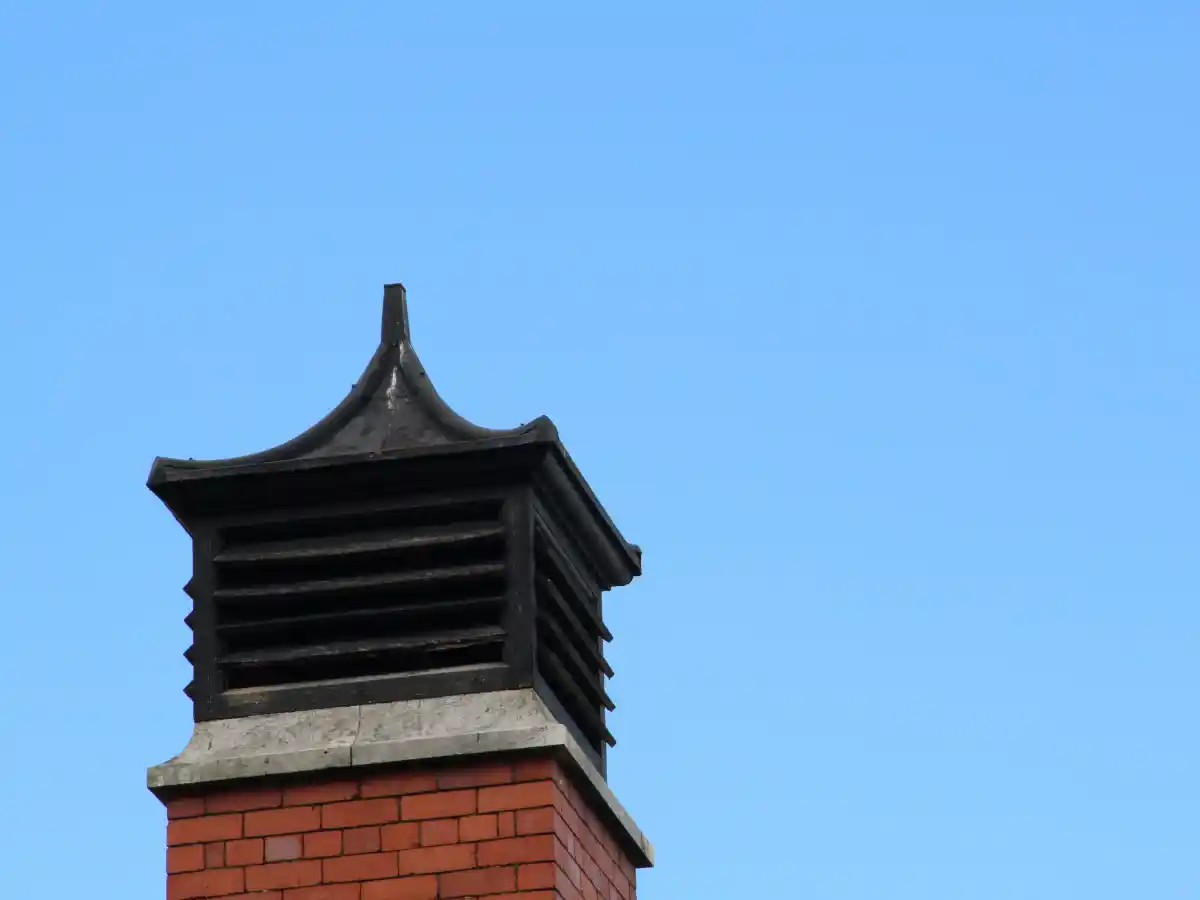
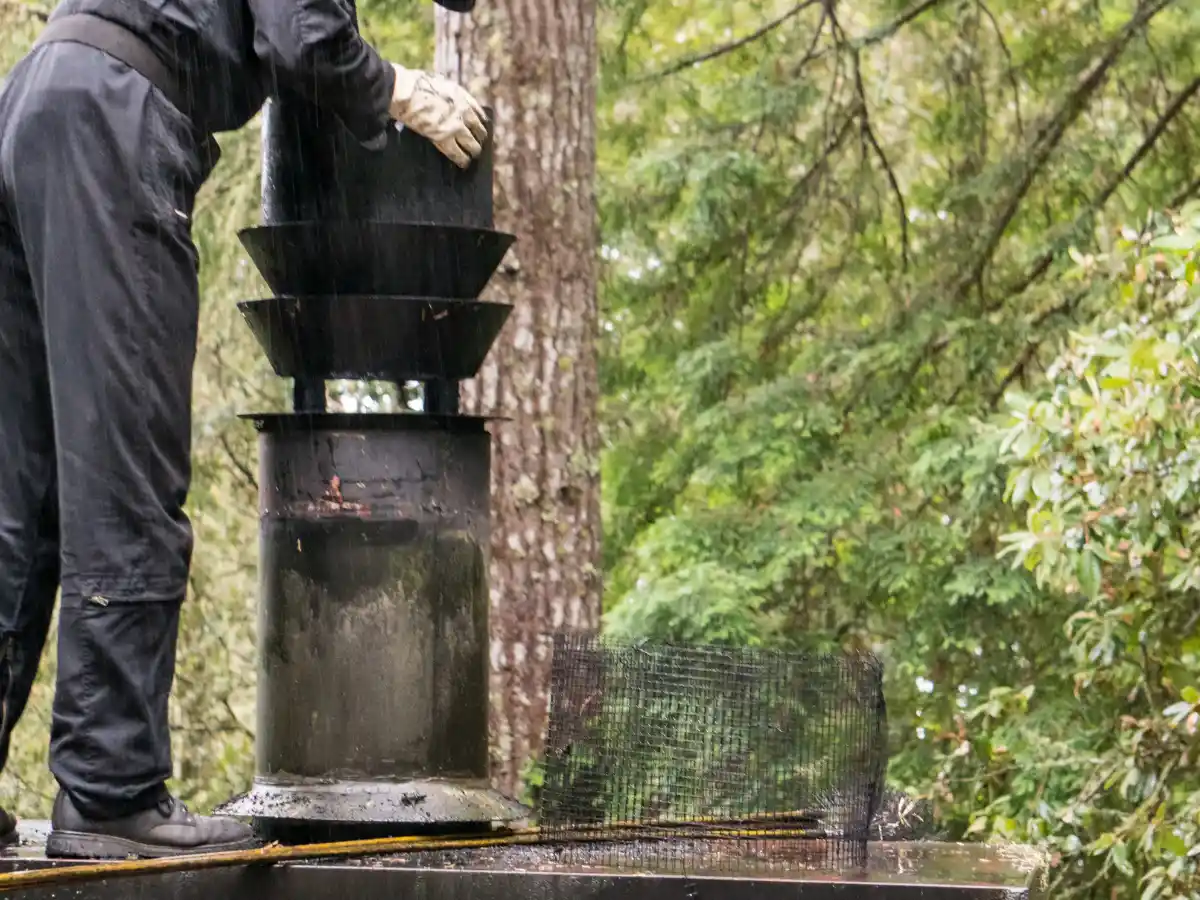
Salt air near the coast adds wear on the exterior termination cap and any exposed metal. A corroded or crushed cap can restrict the vent opening.
Carbon monoxide: the signs and the rules
Carbon monoxide has no color or smell. The Consumer Product Safety Commission lists headache, dizziness, weakness, nausea, vomiting, sleepiness and confusion as symptoms, and reports that more than 200 people in the United States die each year from accidental non-fire CO poisoning tied to consumer products.
- California Health and Safety Code 17926 requires owners of existing dwellings with a fossil-fuel heater or appliance, a fireplace, or an attached garage to install approved CO devices; the deadline for single-family homes was July 1, 2011.
- CPSC recommends CO alarms on every level of the home and outside sleeping areas, ideally interconnected.
- CPSC also advises checking flues and chimneys before each heating season for leakage and blockage, and notes that black stains on the outside of a chimney or flue can signal exhaust leaking.
Turn off the fireplace if you can do it quickly, get everyone into fresh air, and call 911 or your fire department from outside. Do not relight the fireplace until the venting has been checked and the cause found.
What a technician checks on a gas fireplace
- Identifies the appliance type and finds the rating plate and installation instructions.
- Confirms the damper clamp or stop on vented logs, or the vent connection on an insert.
- Inspects the flue or vent run for cracks, separations, nests and debris.
- Checks the exterior cap for corrosion, crushing or blockage.
- Watches the flame and draft and looks for soot or spillage at the opening.
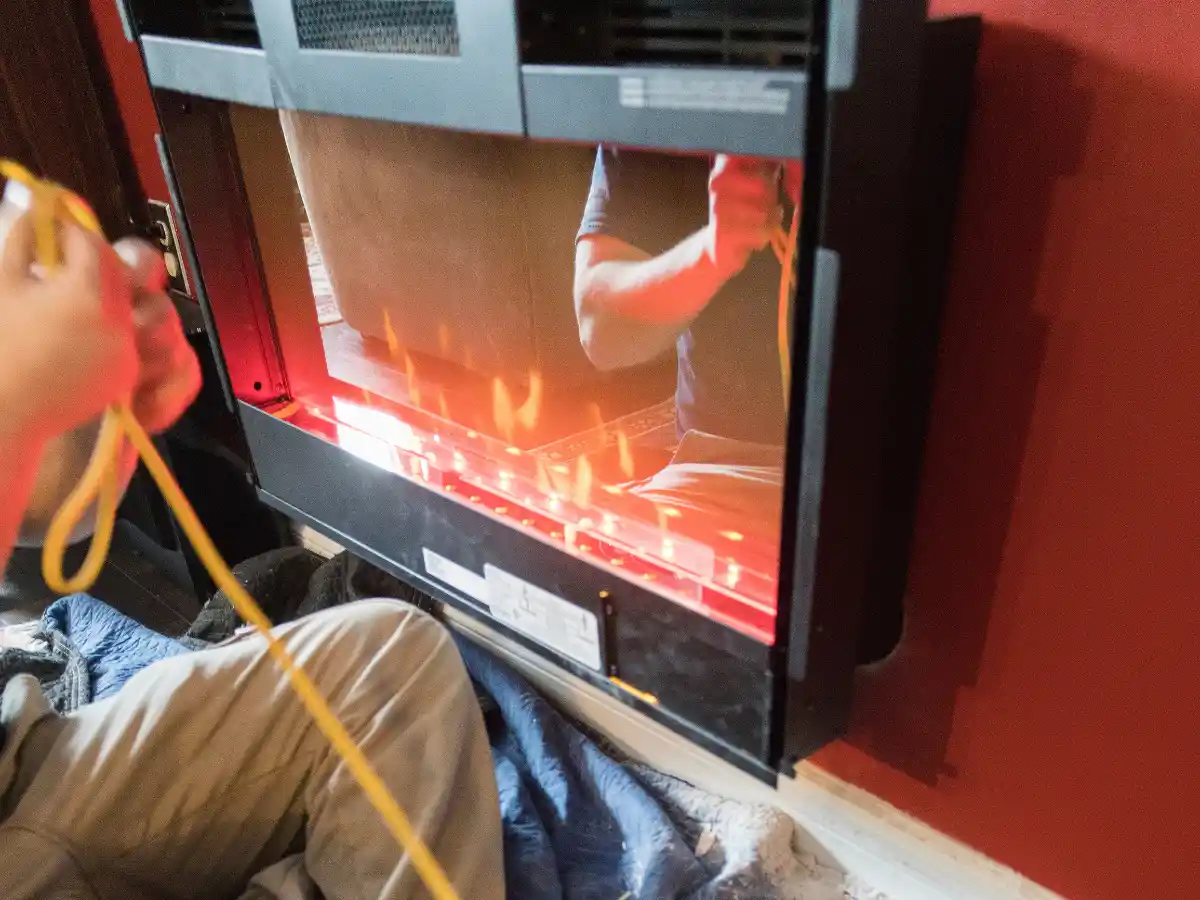
- Looks at glass, gaskets and the firebox for damage.
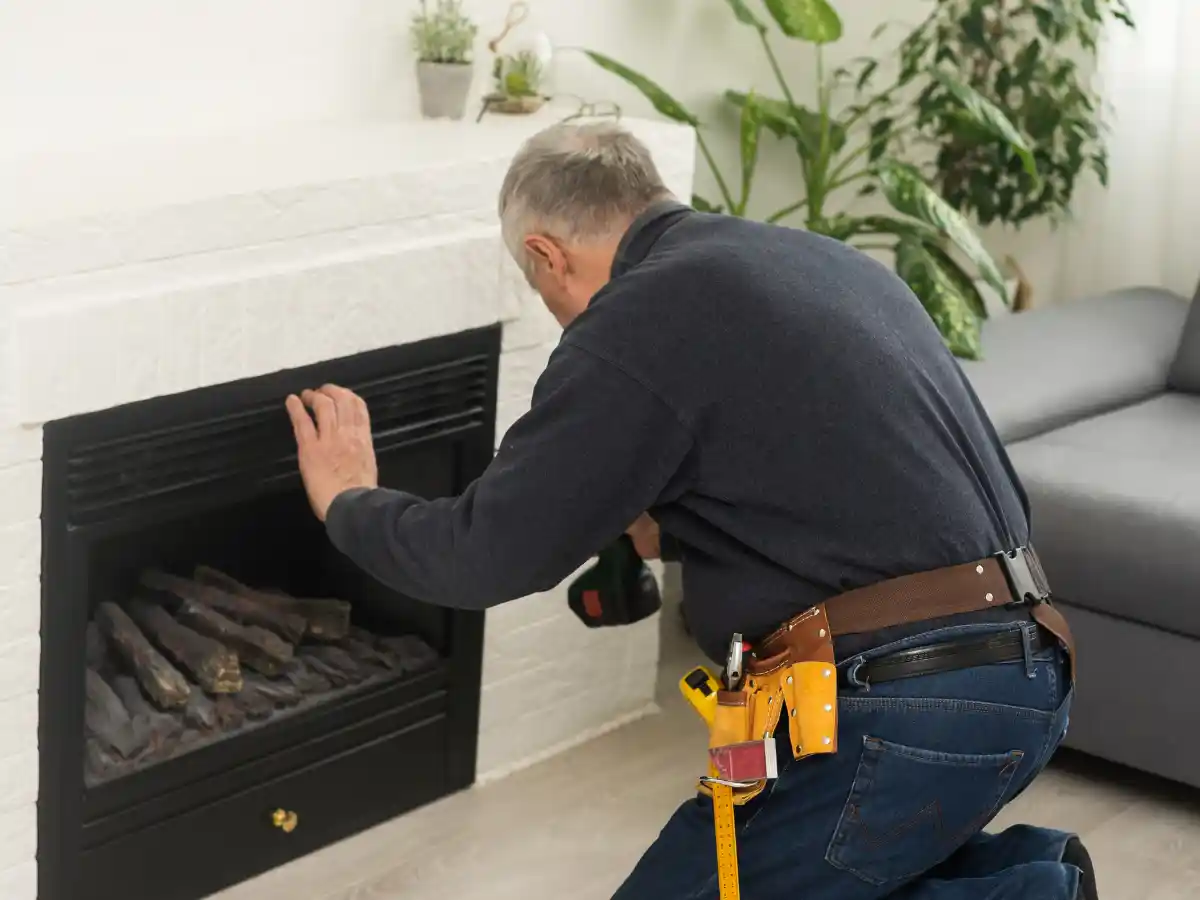
You get a plain list of what was found and why it matters, then choose the work. A cracked liner points toward relining the flue; damaged firebox panels, glass or logs fall under fireplace repair; and a yearly chimney inspection keeps the vent on a regular check like a wood-burning flue.
Need it fixed?
Fireplace Repair across Orange County and the South Bay
Tell us what you noticed by phone or the form, and we'll set a time to look.
Frequently asked questions
Do gas fireplaces need a yearly inspection?
Yes. The NFPA 211 yearly inspection covers vents as well as chimneys and fireplaces, so a flue serving gas logs or an insert is included. Gas does not leave much soot, but nests, cracked liners and corroded caps still block or leak.
Can I close the damper when the gas logs are off?
Not on a vented gas log set that requires a damper clamp. The damper is meant to stay partly open at all times so exhaust can always escape.
Why is there black soot on my fireplace glass or brick face?
Soot at the opening usually points to a poor draft, a burner or log arrangement problem, or a partly blocked vent. Stop using it and have it checked.
Can I put a gas insert into my old wood fireplace?
Often yes, as long as the insert is installed to its manufacturer's instructions and vented the way they specify, which may call for a liner or vent pipe run up through the old chimney.