 California Chimney Service
Southern California knows this pattern well. The March 10, 1933 Long Beach earthquake (magnitude 6.4) exposed how badly unreinforced masonry performs, and smaller shakes such as the magnitude 5.1 La Habra quake of March 28, 2014 are a reminder that moderate events still rattle older brick. Here is what tends to break and how to check it.
Why do masonry chimneys crack in quakes?
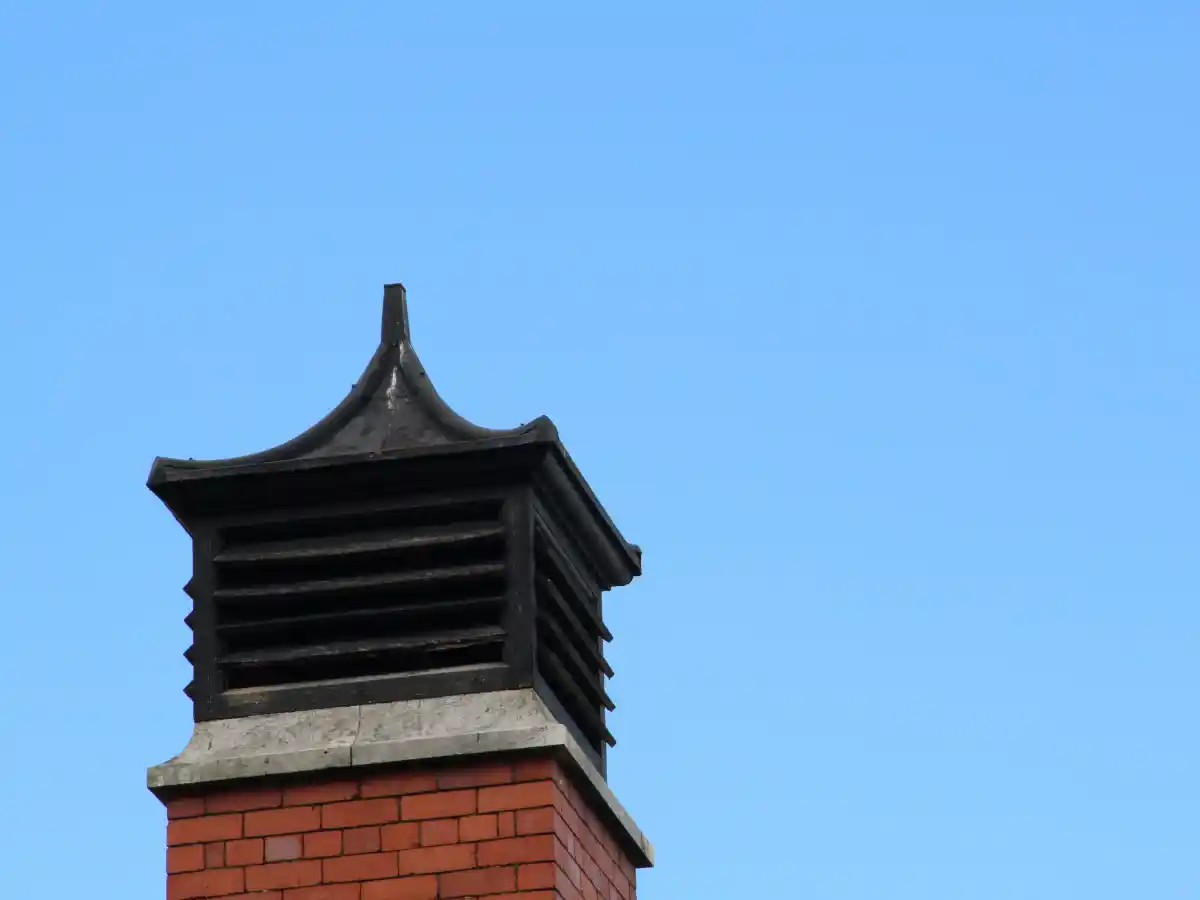
Unreinforced masonry, meaning brick and mortar with no steel running through it, is brittle. Shaking makes the house sway one way while the chimney's mass resists and then swings back. Stress concentrates where the stack is no longer braced by walls, which is the section above the roof. FEMA's guidance from the 2014 Napa-area quake names that above-roof portion the most vulnerable part of the chimney; FEMA teams there saw more than 100 damaged brick chimneys.
Plenty of homes from before the 1990s in coastal Orange County, Long Beach and the South Bay still have original brick fireplaces.
Where the damage usually shows up
| Location | What you might see | Why it matters |
|---|---|---|
| Above the roof | Horizontal crack at the roof line, a stack that leans or twists, loose bricks or crown pieces | Falling brick endangers people, cars and roofing below |
| Flashing and roof joint | Gap between chimney and roof, new ceiling stains | Opens a path for winter rain into framing |
| Inside the flue | Cracked or shifted clay liner tiles, often invisible from below | Gaps let heat and smoke reach wood framing |
| Firebox and hearth | Open mortar joints, cracked firebrick, hearth pulling away from the wall | Heat and embers can escape the fire chamber |
| Attic and side walls | Chimney separating from the house, cracked drywall where they meet | Shows the stack moved independently |
FEMA's earthquake fact sheet warns that even a few cracks that are not obvious at first glance can create an unsafe condition. That is the liner problem in one sentence: the parts that fail most quietly are the ones you cannot see from the living room.
The first hours after shaking stops
- Stay clear of the chimney inside and out. Aftershocks can bring down a stack that the main shock loosened.
- From a safe distance, look at the top of the chimney. Note any lean, missing brick or a gap at the roof line.
- Do not light the fireplace or run gas logs until the chimney has been checked.
- Smell gas? Get out first, then phone the gas company once you are outdoors.
- Take photos from the ground for your records and any insurance claim.
Fire agencies advise approaching chimneys with caution after a quake because a weakened stack could topple during an aftershock. FEMA also suggests avoiding time spent next to a damaged masonry chimney, including sleeping right beside one, until the chimney has been dealt with.
What a post-quake inspection covers
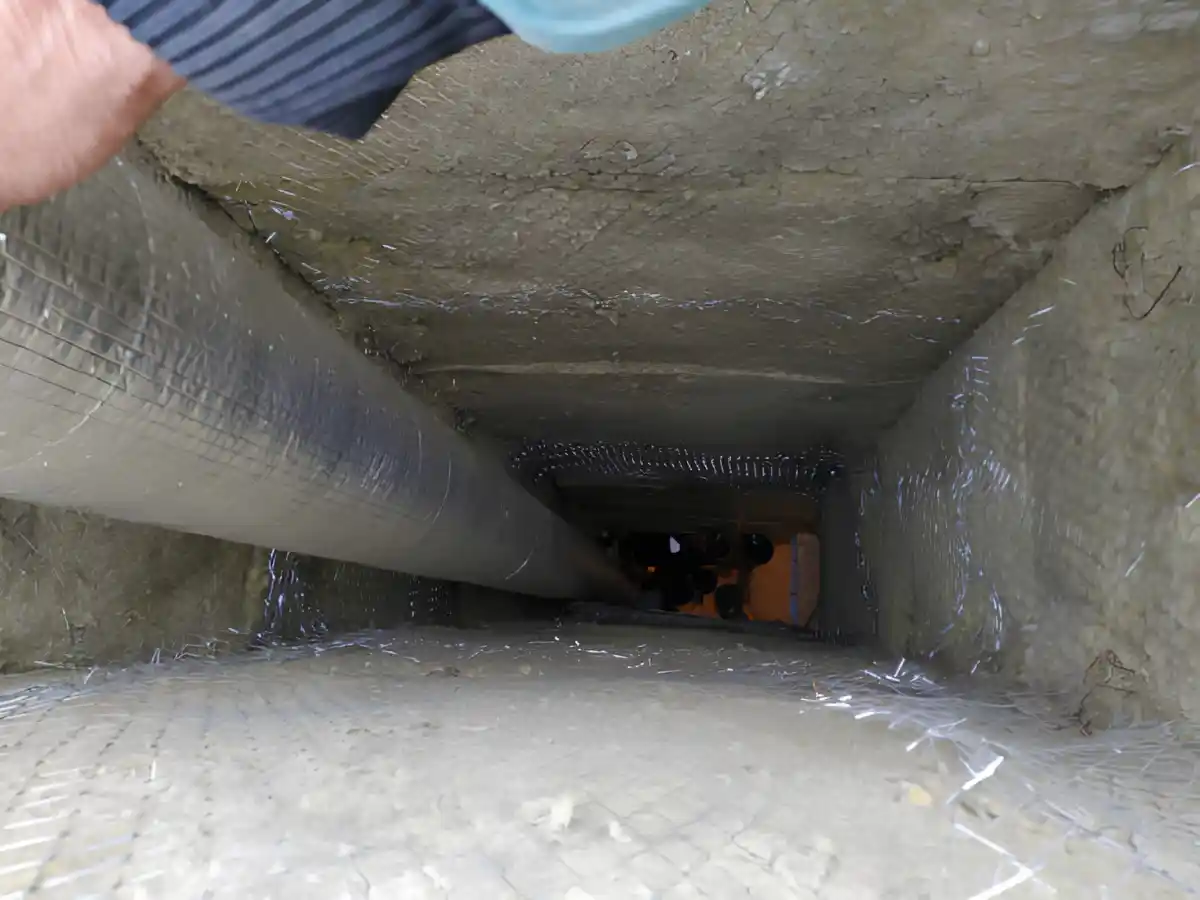
Under the inspection levels that grew out of NFPA 211, shaking from a quake is one of the triggers that moves a chimney up to Level 2. That level includes a video scan of the flue interior, which is how cracked liner tiles and shifted joints get found.
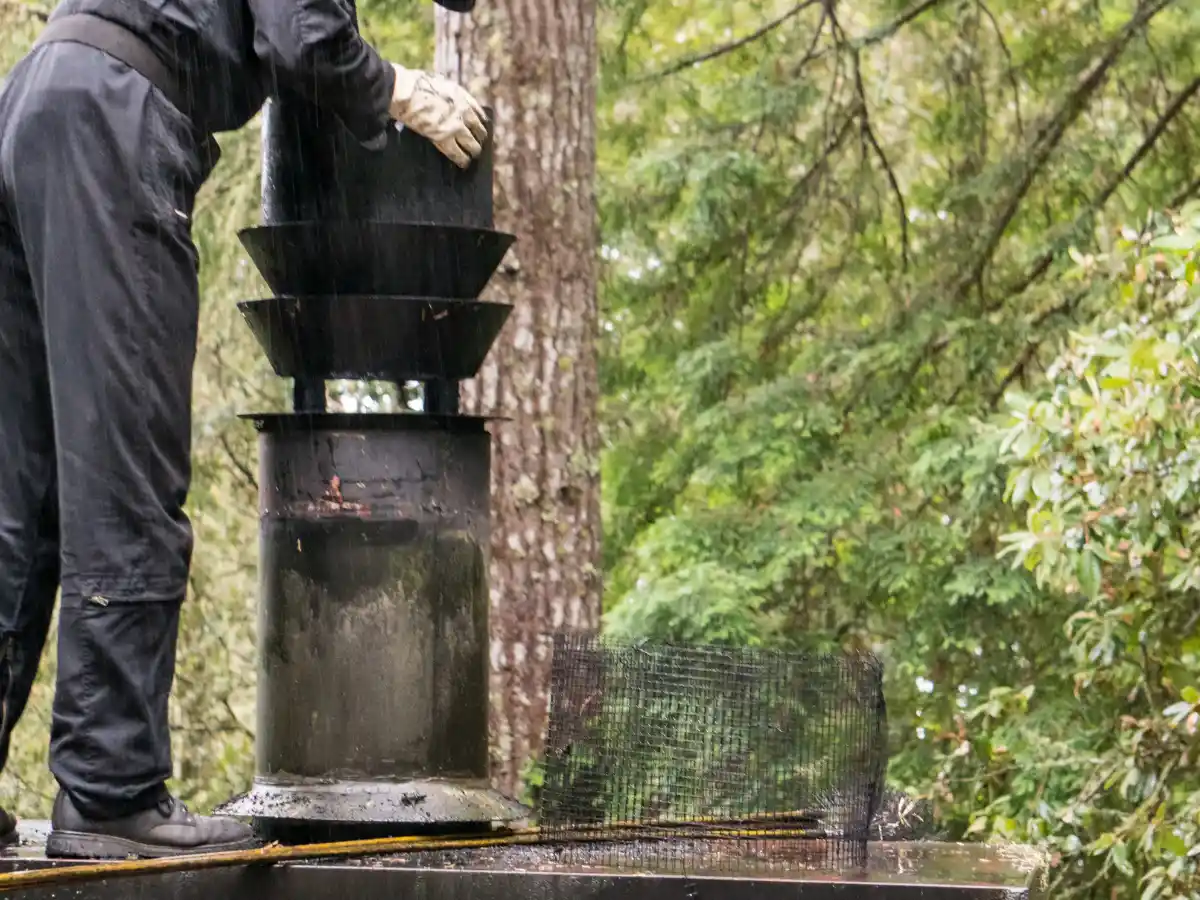
- Exterior masonry, crown, cap and flashing from the roof
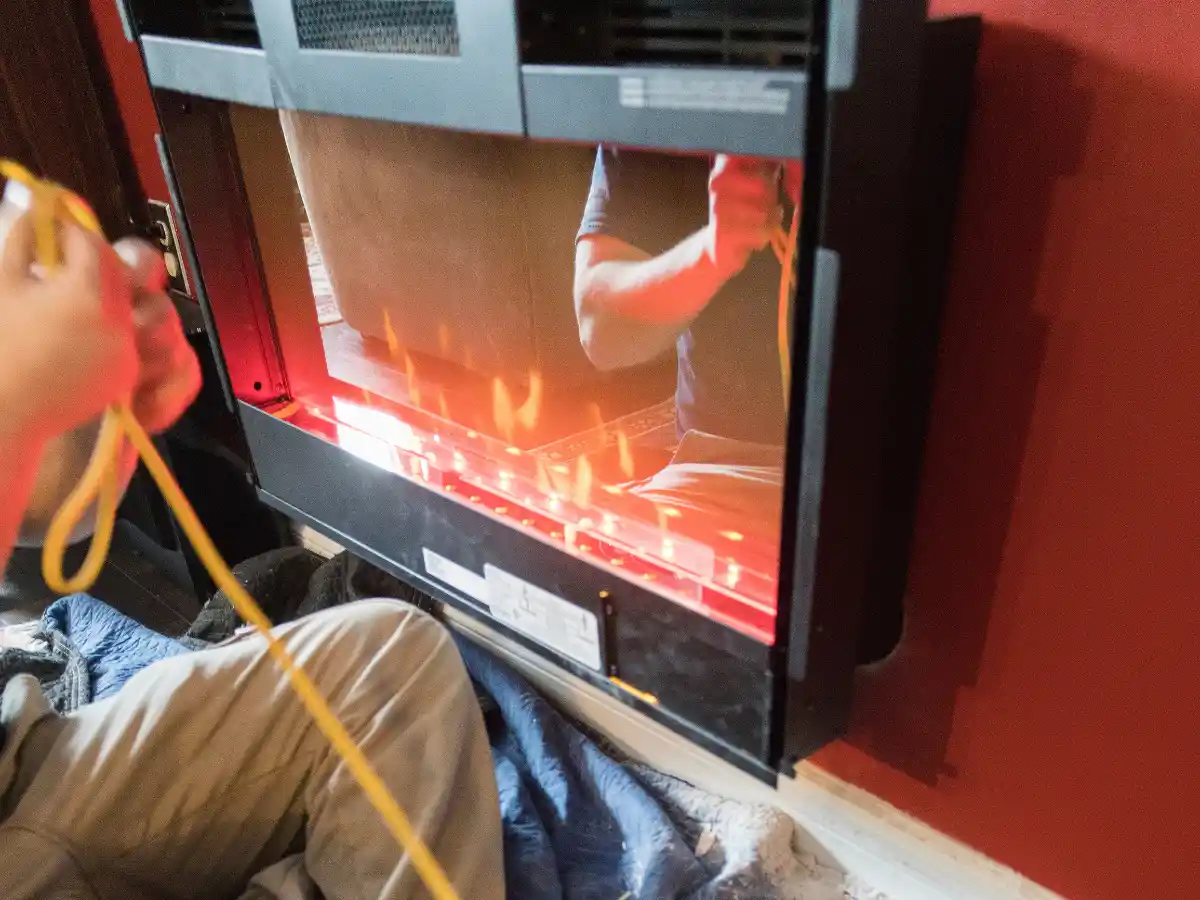
- Camera run of each flue, top to bottom
- Smoke chamber, damper and firebox
- Attic: framing clearance and any separation where the chimney passes through
- Gas line connection and venting if the fireplace has logs or an insert
You get the findings and photos first. Nothing gets scheduled until you have seen what the camera saw. Book a chimney inspection if your fireplace sat through any noticeable shaking, even if the outside looks fine.
Repair, rebuild or rethink the stack
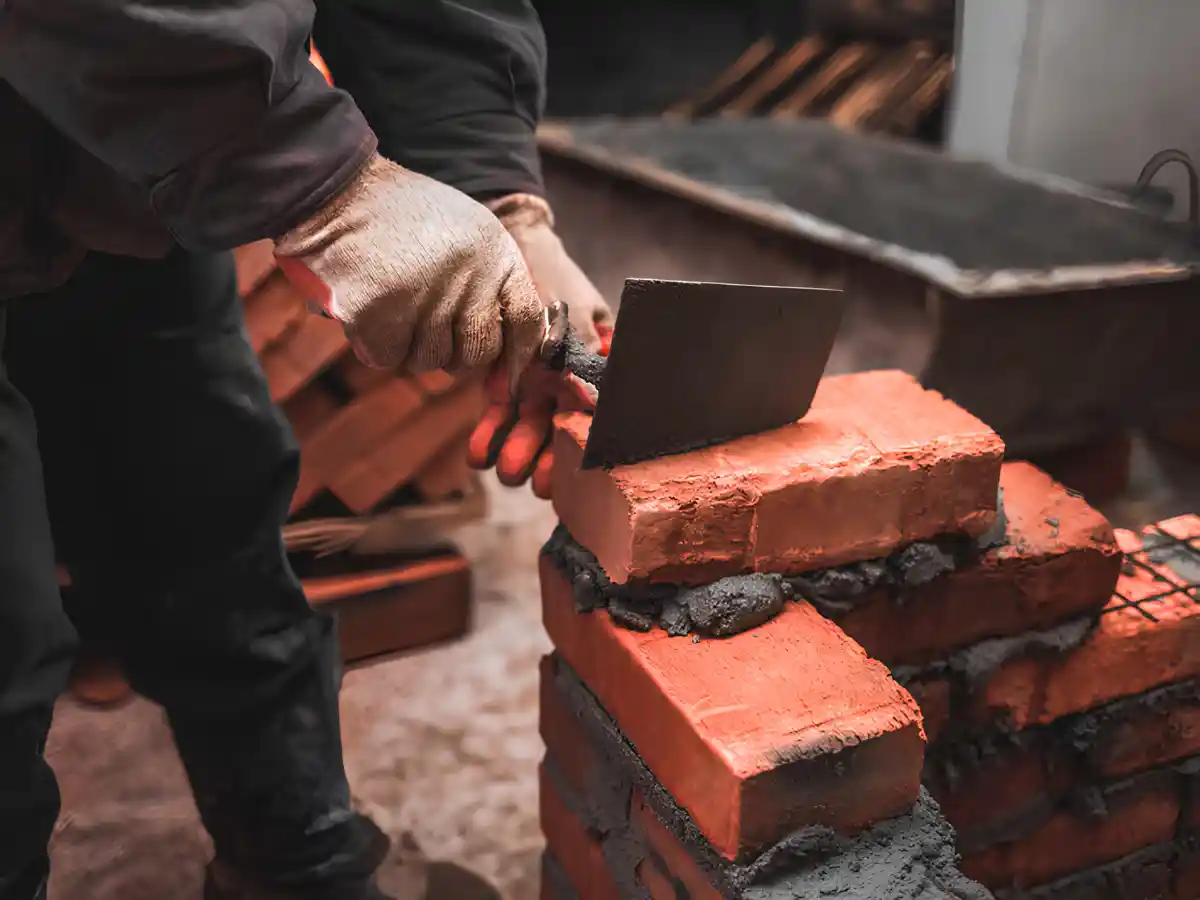
Small mortar gaps in a chimney that still stands straight are often handled with masonry repair and a fresh crown. FEMA is clear, though, that repointing and patching are maintenance, not seismic strengthening, and that rebuilding a damaged chimney back to its original unreinforced form leaves it just as vulnerable.
- Light damage: repoint joints, repair the crown, replace the cap.
- Cracked liner: reline the flue, usually with a listed metal liner.
- Heavy damage above the roof: take the stack down to the roof line and rebuild, frequently as a wood or steel-stud enclosure housing a listed metal flue, a design FEMA calls much more resistant to future quakes.
Historic homes or large chimneys may call for a structural engineer before choosing a direction.
Need it fixed?
Chimney Inspection across Orange County and the South Bay
Tell us what you noticed by phone or the form, and we'll set a time to look.
Frequently asked questions
My chimney looks fine from the yard. Do I still need it checked after a quake?
Yes, if dishes rattled or pictures shifted. Liner tiles crack inside the flue without any sign outside, and a cracked liner lets heat reach framing the next time you burn.
Can I use my fireplace before the inspection?
Safer not to. Until someone has looked down the flue, you do not know whether the liner can contain heat and smoke, and gas logs depend on that same flue to vent carbon monoxide.
Will repointing make my chimney earthquake-proof?
No. Fresh mortar keeps water out and joints tight, but it does not add strength the way steel reinforcement or a lighter flue system does.
Are factory-built metal fireplaces safer in earthquakes?
Factory-built fireplaces with metal flues in light-frame enclosures generally perform well, according to building-safety guidance, as long as the framing is anchored and the listed clearances are kept.