 California Chimney Service
So how often does a lightly used chimney need attention? The short answer splits in two: inspection on a calendar, sweeping on evidence. The sections below explain what that means, what builds up in a flue that sits idle, and a simple way to plan around it.
What NFPA 211 actually says
NFPA 211 is the National Fire Protection Association standard for chimneys, fireplaces, vents and solid-fuel appliances. Its rule is that chimneys, fireplaces and vents shall be inspected at least once a year for soundness, freedom from deposits and correct clearances. Cleaning is done when the inspection shows it is needed.
Notice what the yearly check is about: whether the structure is sound and whether anything is blocking or crowding the flue. Fire count does not enter into it. A chimney that saw two fires and one that saw forty are both on the same yearly clock.
What happens in a flue that sits idle
A cold chimney is quiet real estate. In a long dry summer and a short winter rain season, several things can happen with nobody noticing.
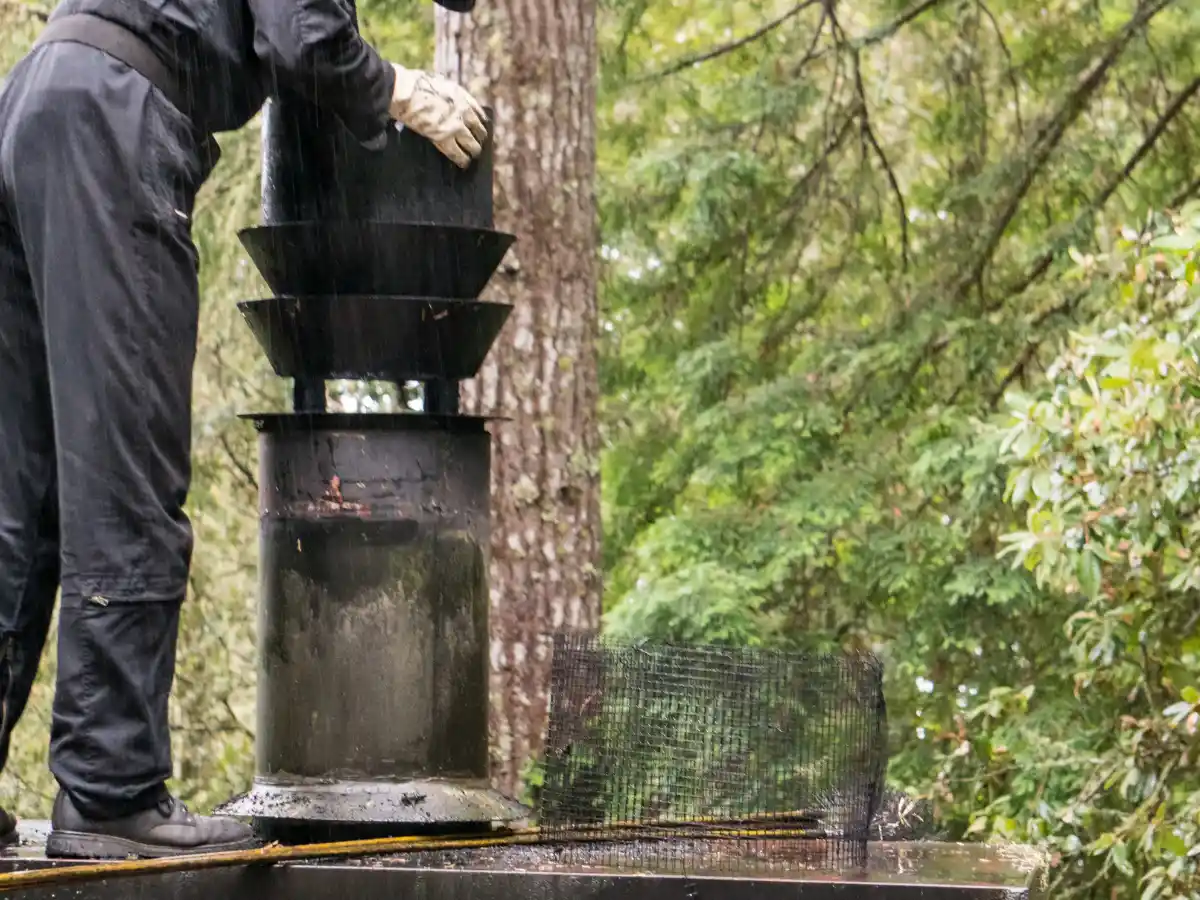
- Birds, squirrels or rats nest on the smoke shelf or damper, especially where the cap is missing or rusted open.
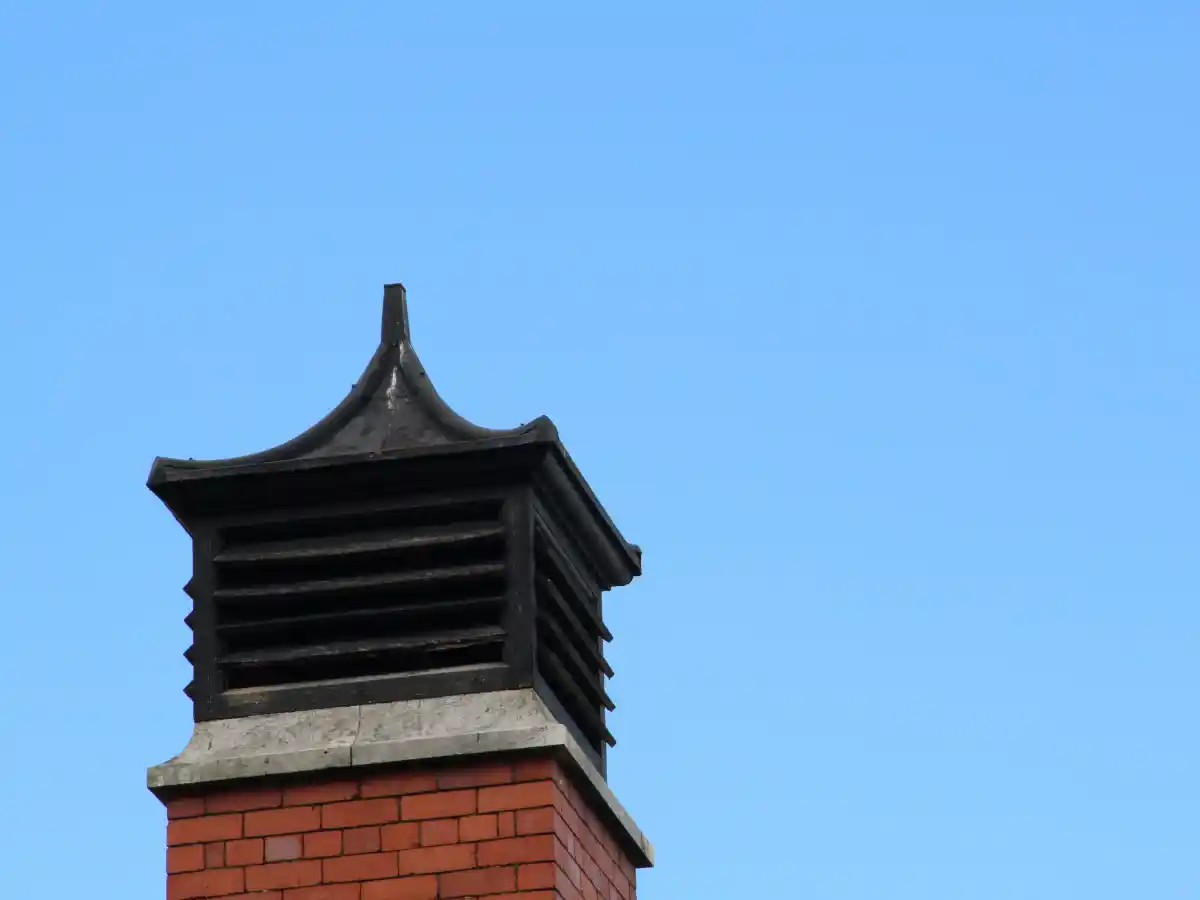
- Winter rain soaks through a cracked crown and starts eating mortar joints and the damper.
- Leaves and debris drift in on wind days and pile on the smoke shelf.
- A small quake shifts liner tiles that nobody has looked at.
- Old creosote from years of holiday fires absorbs moisture and gives off a strong smell in summer.
The Consumer Product Safety Commission advises having flues and chimneys checked before each heating season for leakage and for blockage by creosote or debris. Blockage is the key word for a rarely used fireplace: a nest can stop a flue as effectively as soot.
When does a lightly used flue need sweeping?
Sweeping removes deposits, and a common industry benchmark calls for brushing out a masonry flue when soot is roughly 1/8 inch deep, or sooner if glazed creosote is present. Glazed creosote is the shiny, tar-like layer that forms when fires smolder; it is harder to remove and burns hot if it ignites.
| How you use it | Inspection | Sweeping, usually |
|---|---|---|
| A few dry hardwood fires a year | Every year | Only when the inspection finds buildup near 1/8 inch, often every few years |
| Regular winter fires | Every year | Most years |
| Smoldering fires, damp wood, or a closed-down damper | Every year | More often, and check for glazed deposits |
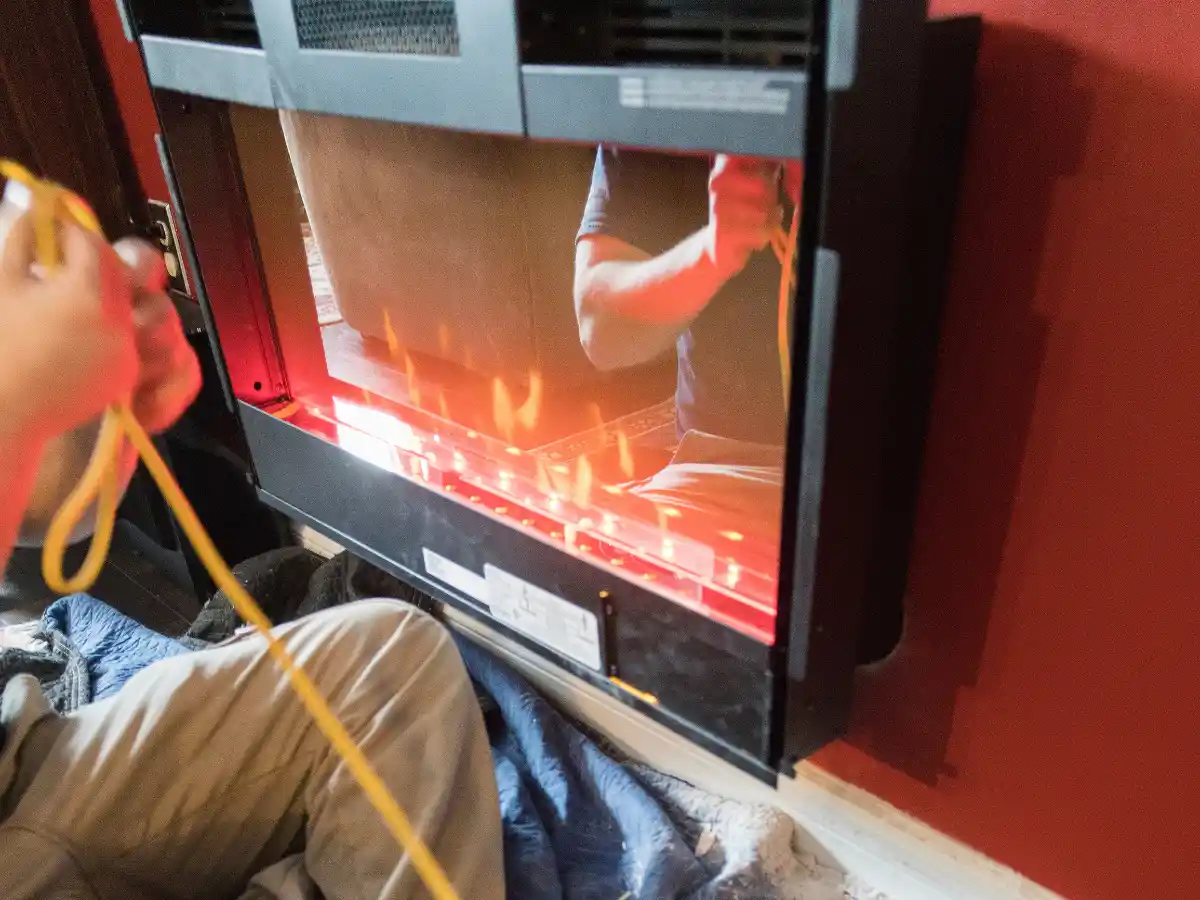
| Gas logs only | Every year | Rarely for soot; the check focuses on venting, nests and the damper |
| Not used at all | Every year if it could be lit | Only if debris or nests are found |
Your burning habits move the needle more than the calendar. Dry, split hardwood burned hot leaves less behind than a slow fire of damp logs.
Planning a visit around the holidays
- Book the yearly check in early fall, before the first fire and before winter rain.
- Let the tech inspect first; a sweep is added only if the deposits call for it.
- Ask for photos of the smoke shelf, damper and crown so you can compare next year.
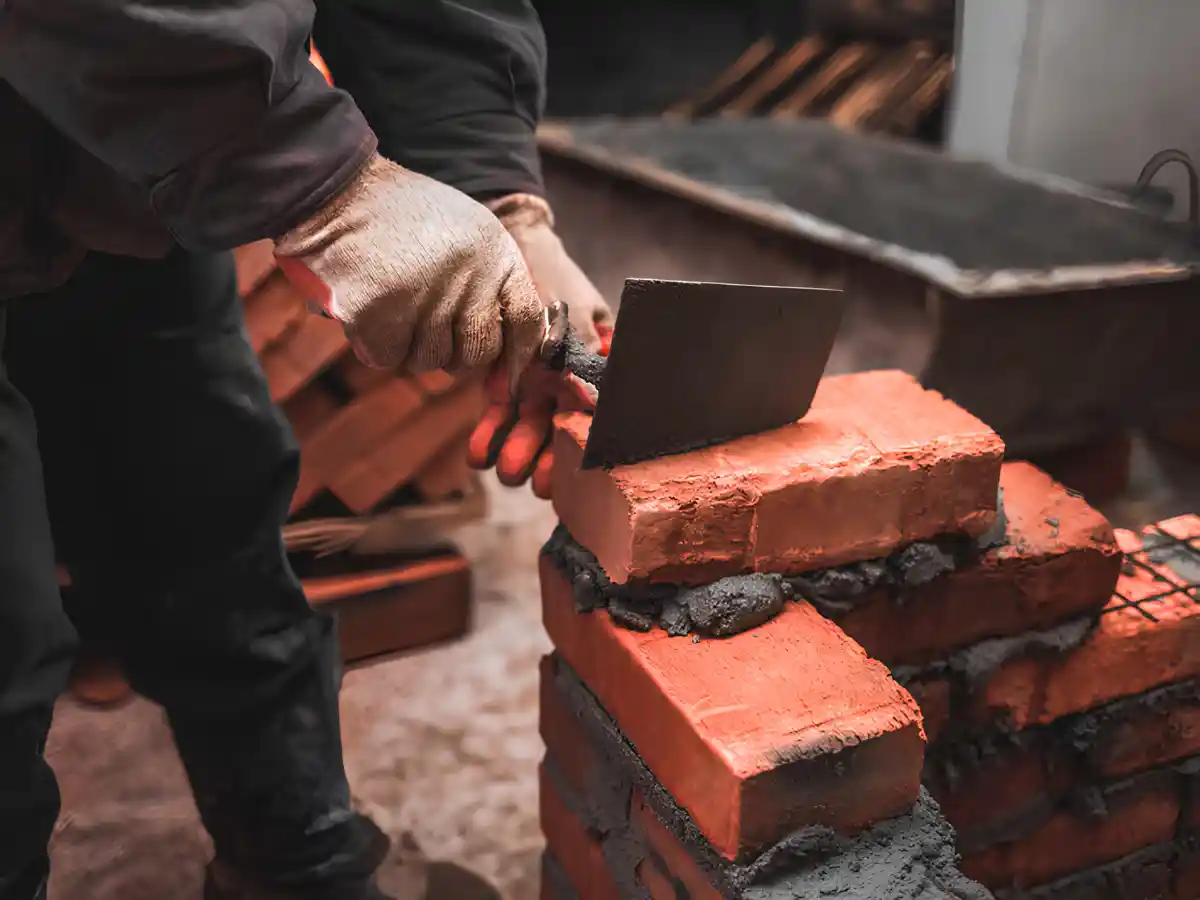
- Schedule any crown or masonry fixes for the dry months, ahead of the rain.
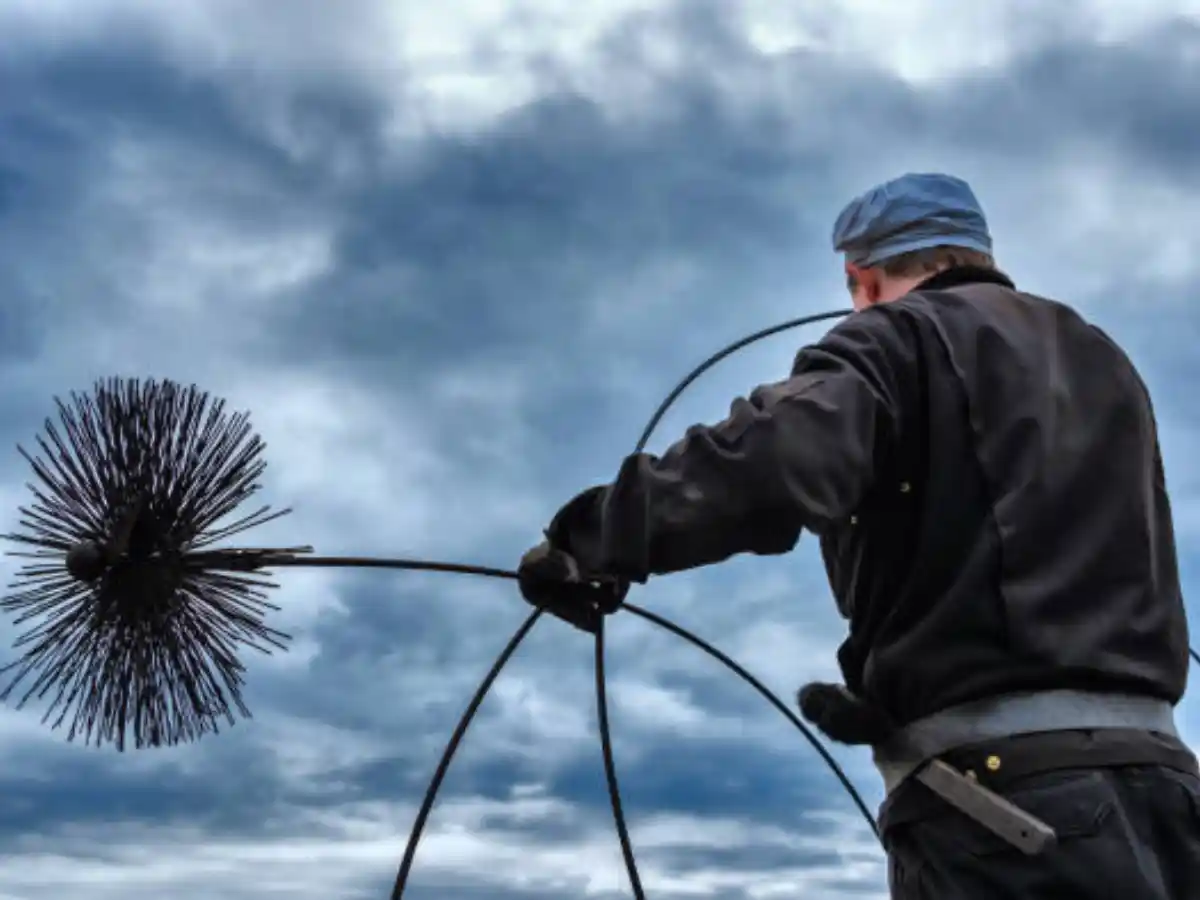
A chimney sweep visit includes the room protection you would expect: drop cloths over the hearth and a vacuum running while the brushes work. If the inspection turns up a cracked crown or open joints, you will hear about waterproofing or repair options before any decision is made.
When a nest or debris plugs the flue, smoke and carbon monoxide have nowhere to go but indoors. If the fire draws poorly, smoke spills out, or you hear scratching in the chimney, put the fire out and leave the flue alone until it has been checked. Keep a working carbon monoxide alarm on each level and outside sleeping areas.
Need it fixed?
Chimney Sweep across Orange County and the South Bay
Tell us what you noticed by phone or the form, and we'll set a time to look.
Frequently asked questions
I burned only twice last winter. Can I skip this year?
You can likely skip the sweep, but not the inspection. Two fires do not leave much soot, yet a year of rain, wind and animals can still close a flue or crack a crown.
Does a gas log fireplace need sweeping?
Natural gas burns much cleaner than wood, so soot is rarely the issue. The yearly check still matters for nests, a damper that must stay open, and venting. See our fireplace repair page for gas-specific problems.
Why does my unused fireplace smell in summer?
Old creosote absorbs humidity and releases odor, and the odor tends to build when indoor air pressure draws outside air in through the chimney. A sweep removes the deposits; a cap and a tight damper help keep damp air out.